






What's Happening?
Effective July 1, 2026, the European Union has eliminated the €150 tariff exemption for small e-commerce parcels entering the EU. This change introduces a flat €3 customs duty per declaration line for consignments up to €150 sold to consumers, which will
remain in place until July 1, 2028. Additionally, a €2 Union handling fee per line has been implemented from November 1, 2026, applicable to every distance sale regardless of its value. These new charges are specifically aimed at consumer parcels, irrespective of the VAT scheme used by the seller. Business consignments under €150 will now be subject to ordinary tariffs. The EU Customs Data Hub is set to become mandatory for e-commerce in July 2028, and the United Kingdom plans to end its £135 import relief by October 2028, signaling a broader shift towards stricter regulation of parcel trade.
Why It's Important?
These new EU regulations are a significant development for U.S. businesses engaged in e-commerce with European consumers. The elimination of the €150 exemption and the introduction of new duties and handling fees will directly increase the cost of shipping low-value goods to the EU. This could impact the competitiveness of U.S. online retailers and small businesses that frequently ship small packages, potentially leading to higher prices for European consumers or reduced profit margins for sellers. The changes are designed to address issues such as undervaluation of goods and to create a more level playing field for EU-based sellers who previously faced competitive disadvantages. U.S. companies will need to adjust their pricing strategies and logistics to account for these new costs, which could affect consumer demand and market access.
What's Next?
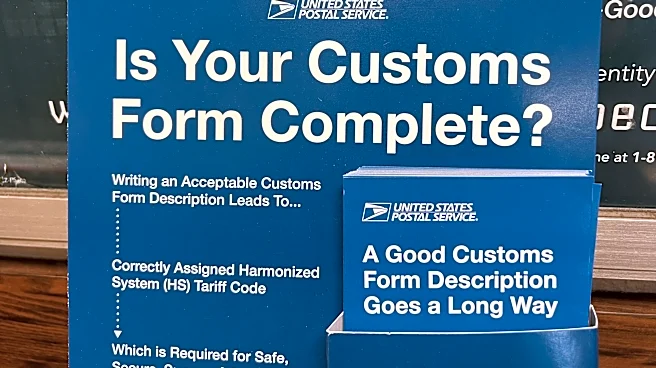
U.S. e-commerce businesses will need to adapt their shipping and pricing models to comply with the new EU tariff and fee structure. This includes accurately declaring the value of goods and understanding how the new charges will be applied. The EU's move towards making the Customs Data Hub mandatory for e-commerce by July 2028 indicates a future of increased scrutiny and digitalization of import processes. Businesses should anticipate further regulatory changes and potentially higher compliance costs. The example of Belgian customs reporting a high percentage of rule-breaking consumer declarations suggests that enforcement will be robust, requiring U.S. exporters to ensure full compliance to avoid delays, guarantees, or new declaration requirements. The UK's planned end to its import relief further underscores a global trend towards more regulated and taxed cross-border parcel trade.
Beyond the Headlines
The shift in EU policy reflects a broader global trend towards treating low-value e-commerce parcels more like traditional trade, rather than exempting them. This move has ethical and economic implications, as it aims to curb practices like undervaluation that can distort markets and deprive governments of customs revenue. For U.S. businesses, this means a re-evaluation of their global e-commerce strategies, potentially favoring localized fulfillment centers within the EU or adjusting product offerings to absorb the increased costs. The increased policing of parcel routes could also lead to a reduction in the flow of counterfeit goods, which has been a concern for customs authorities. Ultimately, this development signals a maturation of the e-commerce landscape, where the ease of cross-border shopping is increasingly balanced with regulatory oversight and revenue collection.