








What's Happening?
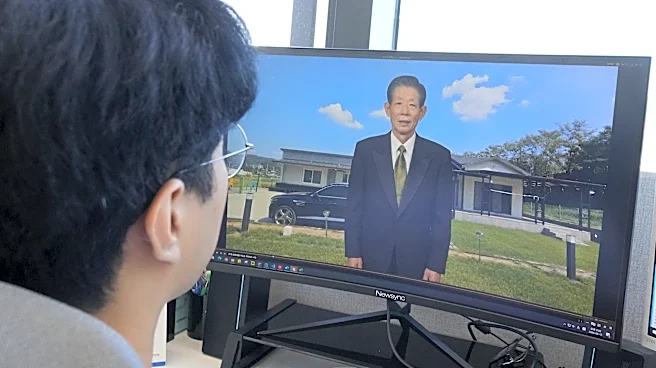
In South Korea, a growing number of people are using AI technology to create video recreations of deceased loved ones. Companies like Vaice offer services that generate digital likenesses of the deceased, allowing families to see and hear their loved ones in a virtual
format. These AI-generated videos are often used during memorial rituals or family gatherings, providing comfort to those grieving. However, the practice raises ethical and psychological concerns. Experts warn that interacting with AI versions of the deceased could hinder the grieving process by preventing individuals from accepting the reality of their loss. Additionally, there are calls for legal frameworks to protect the rights and dignity of the deceased, ensuring that AI recreations are only made with prior consent.
Why It's Important?
The use of AI to recreate deceased individuals highlights the intersection of technology and human emotions. While these AI videos can offer solace to grieving families, they also pose significant ethical challenges. The potential for AI to blur the line between reality and virtual experiences raises questions about the impact on mental health and the grieving process. As AI technology continues to advance, it is crucial to establish ethical guidelines and legal protections to prevent misuse and ensure that the technology is used responsibly. The debate surrounding AI recreations of the deceased underscores the need for a careful balance between technological innovation and respect for human dignity.