


What's Happening?
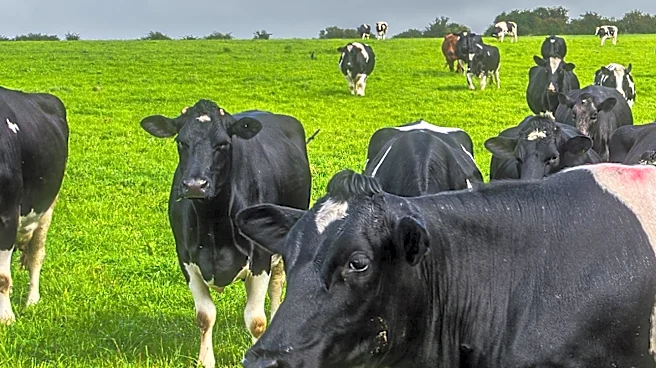
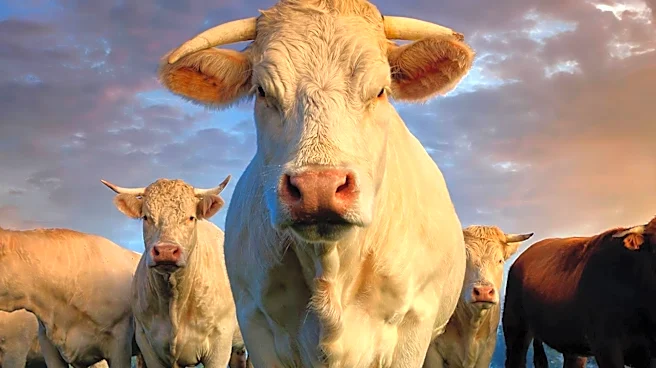
The U.S. beef sector is increasingly dependent on imports due to a persistent shortage of domestic cattle, according to a report by CoBank. Despite a slight increase in the total cattle inventory to 94.2 million head in the USDA’s July report—the first
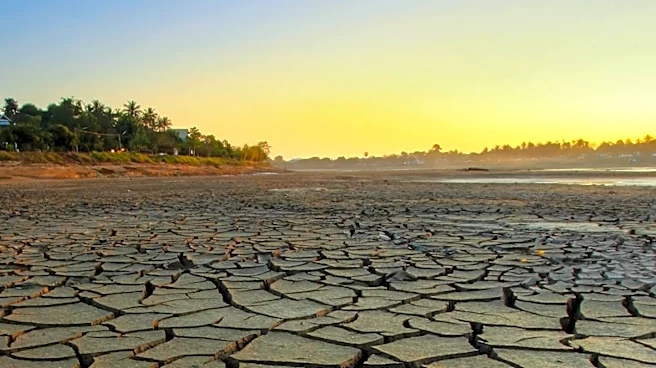
year-on-year rise since 2018—beef cow numbers continue to decline. CoBank indicates that herd rebuilding remains slow, primarily due to high replacement costs, ongoing drought risks, and limited availability of heifers. As of mid-September, 58% of the U.S. cattle inventory was located in areas experiencing moderate to exceptional drought conditions. The majority of U.S. beef imports consist of lean trim, which is blended into domestic ground beef products. CoBank anticipates that imported beef will remain a crucial component of the U.S. beef supply until a sustained and visible herd rebuilding effort takes hold.
Why It's Important?
The continued reliance on beef imports highlights significant challenges within the U.S. cattle industry, impacting both producers and consumers. For producers, the high costs of replacing cattle and the persistent drought conditions create economic strain, hindering their ability to expand herds. This shortage contributes to reduced slaughter numbers and tight cattle supplies, which can lead to higher beef prices for consumers. The situation also underscores the vulnerability of the domestic beef supply chain to environmental factors and economic pressures. The need for imports to meet strong domestic demand indicates a structural imbalance, making the U.S. beef market susceptible to global supply fluctuations and trade dynamics. This trend could also affect the profitability of U.S. cattle ranchers and the overall competitiveness of the domestic beef industry.
What's Next?
The U.S. beef sector is expected to continue leaning on imports in the near term as herd rebuilding efforts face ongoing hurdles. Producers will likely contend with high replacement costs and the unpredictable nature of drought conditions, which could further delay significant herd expansion. The USDA and industry stakeholders will need to monitor these factors closely and potentially implement strategies to support ranchers in their rebuilding efforts. Until a visible and sustained increase in the domestic cattle herd occurs, imported beef will remain essential for balancing supply and demand in the U.S. market. Future policy decisions regarding agricultural support, drought relief, and trade agreements could play a critical role in shaping the trajectory of the U.S. beef sector.
Beyond the Headlines
The persistent cattle shortage and reliance on imports reveal deeper systemic issues within the U.S. agricultural landscape, particularly concerning climate resilience and economic sustainability for ranchers. The impact of drought, a recurring environmental challenge, directly affects the viability of cattle operations and the long-term health of the industry. This situation also brings into focus the complex interplay between domestic production capabilities and global trade, highlighting how U.S. food security can be influenced by international markets. The economic pressures on ranchers, coupled with the need for imports, could accelerate discussions around sustainable ranching practices, water management, and diversification strategies to mitigate future supply chain vulnerabilities. Ultimately, the challenge extends beyond mere numbers of cattle to the fundamental structure and adaptability of the U.S. beef industry in a changing climate and global economy.