




What's Happening?
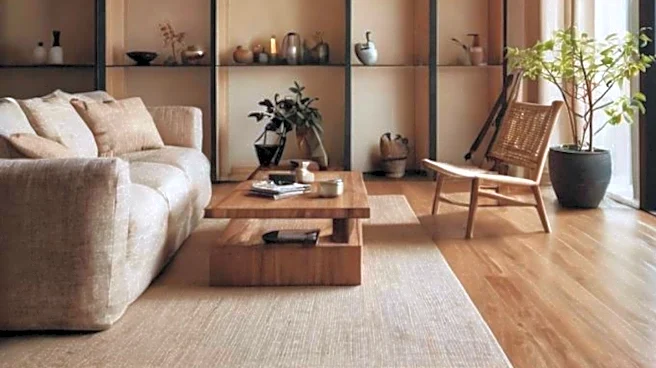
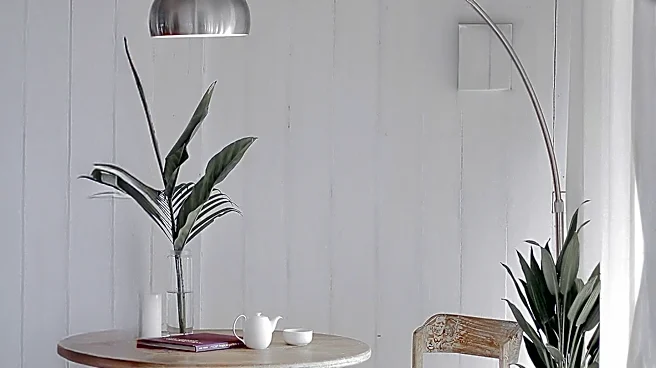
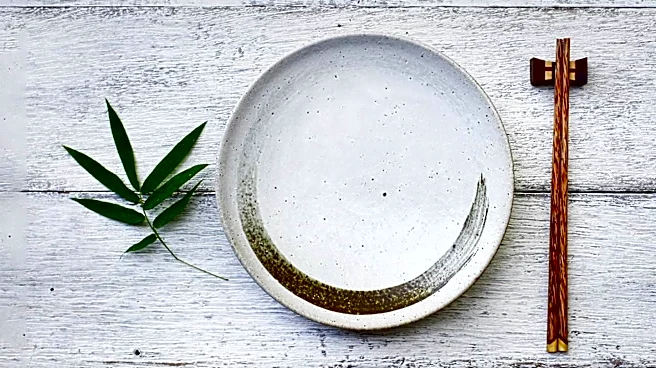
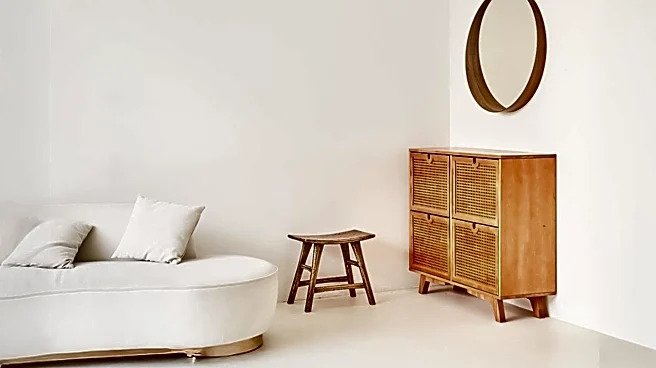
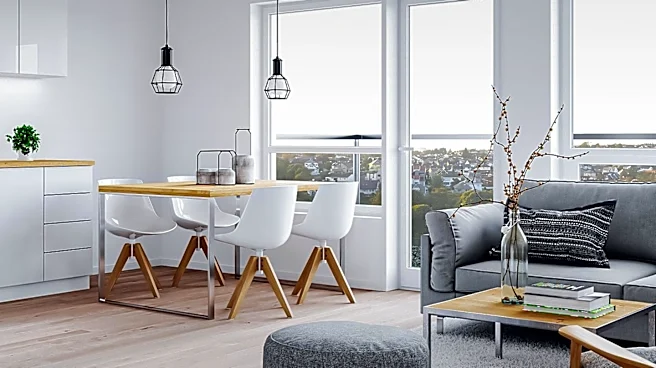
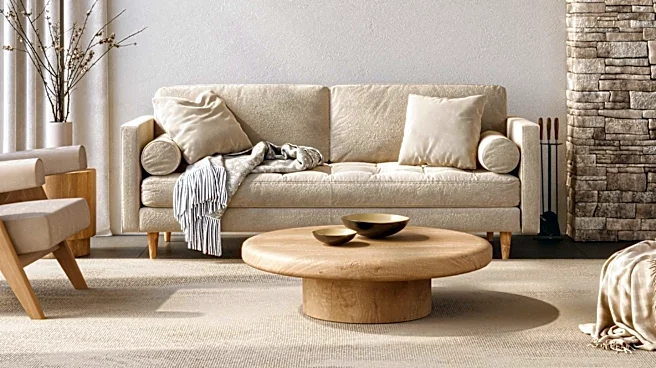
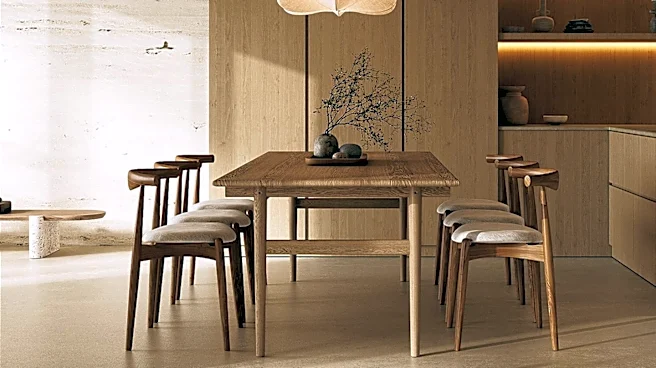
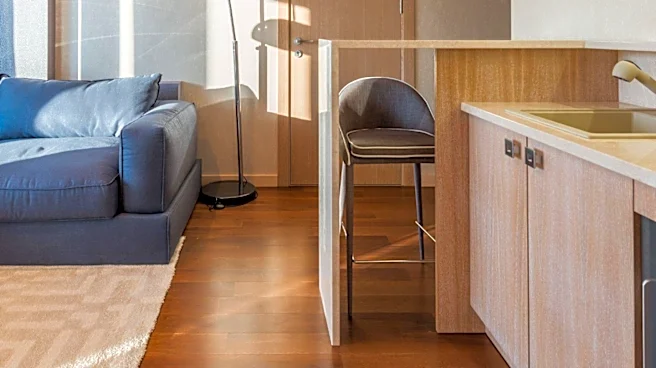
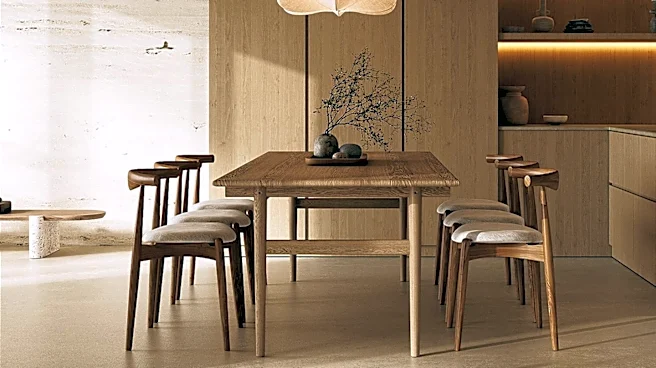
Japandi style is an interior design trend that merges Japanese aesthetics with Scandinavian influences. This design philosophy prioritizes comfort, simplicity, and functionality. Key elements include understated bedding, Japanese-inspired decorative details,
and Scandinavian furniture. The style is characterized by clean lines, the use of natural materials, and restrained forms. It frequently incorporates earthy tones and light wood flooring, contributing to a serene and minimalist environment. Additionally, Japandi design often features preserved wood ceilings and full-height vertical slatted acoustic wall paneling, enhancing both the visual appeal and the acoustic quality of a space. The integration of natural textures is also a hallmark of this style, aiming to create a harmonious and calming atmosphere.
Why It's Important?
The rise of Japandi style reflects a broader cultural shift towards mindfulness, sustainability, and well-being in home environments. In the U.S., where consumer preferences are increasingly leaning towards minimalist and eco-conscious living, Japandi offers a compelling design solution. This trend can influence the U.S. furniture and home decor industries, potentially increasing demand for natural materials like light wood, linen, and ceramics, and for furniture with clean, functional designs. It also encourages a move away from excessive ornamentation and fast-changing trends, promoting investment in durable, timeless pieces. For consumers, adopting Japandi style can lead to more organized, calming, and sustainable living spaces, potentially reducing stress and fostering a greater connection to nature within urban settings. This design philosophy also aligns with growing interest in decluttering and intentional living, impacting lifestyle choices beyond just aesthetics.
What's Next?
The continued popularity of Japandi style is likely to drive further innovation in the U.S. home furnishings market. Manufacturers and retailers may expand their product lines to include more Japandi-inspired furniture, textiles, and decor items. We can expect to see more interior designers specializing in this aesthetic, offering services that blend Japanese and Scandinavian principles. Educational content, such as design blogs and workshops, will likely proliferate, guiding consumers on how to integrate Japandi elements into their homes. Furthermore, the influence of Japandi could extend to architectural design, with more residential and commercial spaces incorporating elements like natural wood finishes, minimalist layouts, and integrated natural light. This trend may also inspire other fusion design styles, as designers continue to explore cross-cultural aesthetics.
Beyond the Headlines
Beyond its aesthetic appeal, Japandi style embodies a deeper philosophical approach to living that resonates with contemporary societal values. It encourages a mindful consumption pattern, emphasizing quality over quantity and the appreciation of craftsmanship. The focus on natural materials and sustainable practices aligns with growing environmental consciousness, prompting consumers to consider the origin and impact of their purchases. Culturally, Japandi represents a harmonious blend of Eastern and Western design philosophies, fostering an appreciation for diverse cultural expressions in everyday life. This fusion can lead to a more globalized design language, where elements from different traditions are respectfully integrated to create new, meaningful aesthetics. The emphasis on simplicity and functionality also challenges the consumerist drive for constant upgrades, promoting a more enduring and thoughtful relationship with one's living space.