



What's Happening?
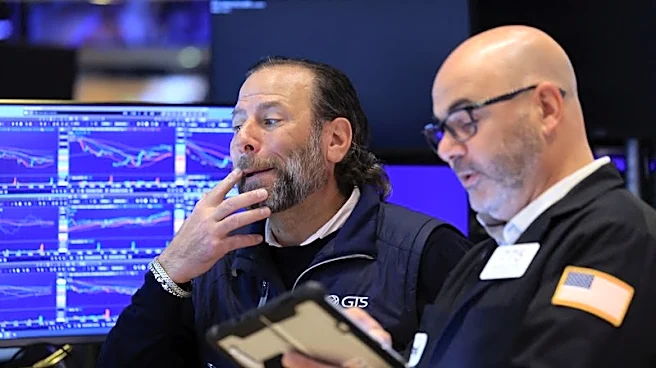
The Nasdaq Composite climbed to an intraday record high on October 2, 2026, driven by a surprisingly weak September jobs report. The U.S. economy added 29,000 jobs last month, with unemployment rising to 4.2%, which was below the Dow Jones consensus forecast
of 84,000 new jobs and a steady unemployment rate of 4.1%. This data led traders to reassess the likelihood of a near-term rate hike from the Federal Reserve, with Fed funds futures trading suggesting a 77% probability that the central bank will hold rates steady at its upcoming meeting. The Dow Jones Industrial Average added 250 points, or 0.5%, and the S&P 500 gained 0.7%. Technology stocks, including Nvidia, CrowdStrike, Palo Alto Networks, and AMD, saw significant rallies, with Nvidia hitting an all-time high for the first time since May. Despite Friday's rally, the Dow was down about 1.3% for the week, while the S&P 500 was little changed, and the Nasdaq was up 0.6% for the week.
Why It's Important?
The weaker-than-expected jobs report is a significant development for the U.S. economy and financial markets. It has altered expectations regarding the Federal Reserve's monetary policy, making a rate hike in the near future less likely. This shift in sentiment is generally positive for equity markets, as lower interest rates tend to reduce borrowing costs for companies and make stocks more attractive compared to bonds. The rally in technology stocks, particularly those hitting all-time highs, indicates a renewed appetite for risk among investors, potentially signaling a broader market recovery or a 'Santa Claus rally' as suggested by some market strategists. Conversely, the initial decline in Treasury yields, although later rebounding, reflects the market's immediate reaction to the jobs data and its implications for interest rates. The report's impact on oil prices, which pulled back due to reports of potential strategic fuel reserve releases, also has broader economic implications, as lower oil prices can reduce inflationary pressures and consumer costs.
What's Next?
Investors will closely monitor upcoming economic data and statements from Federal Reserve officials to gauge the central bank's next moves. The market's current expectation of the Fed holding rates steady will be tested by future inflation reports and employment figures. The upcoming earnings season is also anticipated to be a key driver for market performance, with some strategists expecting strong earnings growth to further support global stocks. The performance of technology stocks, which have shown significant momentum, will be a crucial indicator of market sentiment. Additionally, the situation with oil prices and potential releases from strategic fuel reserves will continue to influence energy markets and broader economic outlooks. The ongoing pressure from the Trump administration on European allies regarding fuel reserves suggests that energy policy could remain a dynamic factor in the near term.
Beyond the Headlines
The market's reaction to the jobs report highlights the delicate balance the Federal Reserve must maintain between controlling inflation and supporting economic growth. A 'not too hot, not too cold' jobs number, as described by one market strategist, suggests that the economy is cooling just enough to alleviate inflationary concerns without signaling a significant downturn. This scenario could provide the Fed with more flexibility in its monetary policy decisions. The strong performance of tech stocks, even as broader market indices show mixed weekly results, points to a potential divergence in market leadership, with growth-oriented sectors continuing to attract investment. The influence of geopolitical factors, such as the Trump administration's pressure on European allies regarding fuel reserves, underscores how international relations and energy policy can directly impact U.S. financial markets and economic stability, extending beyond traditional economic indicators.