





What's Happening?
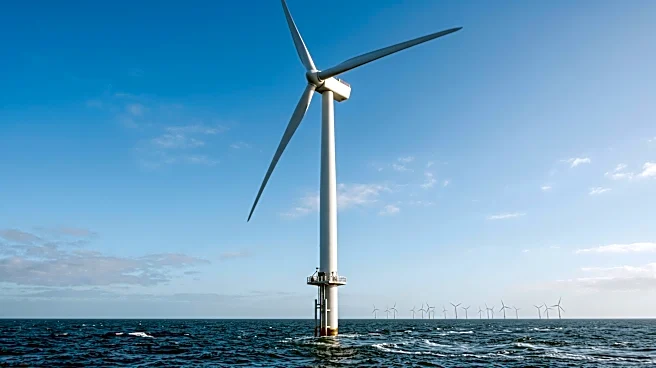
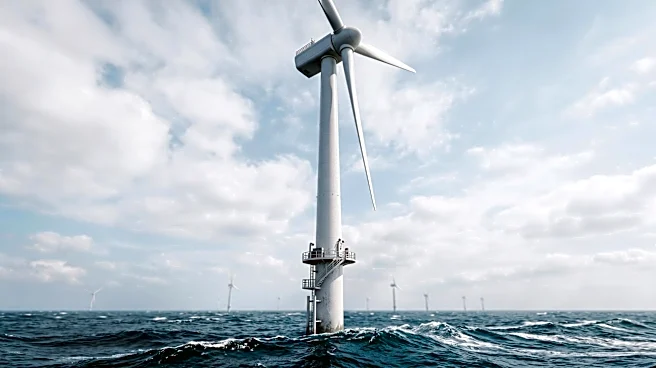
Danish offshore wind farm developer Ørsted reported a third-quarter core profit that surpassed analyst expectations, with its shares rising over 4%. The company's profit before interest, tax, depreciation, and amortization (EBITDA), excluding new partnerships
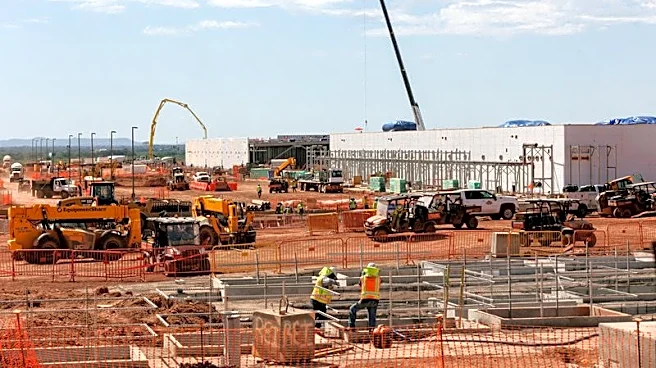
and cancellation fees, increased to 5.26 billion Danish crowns ($792.50 million) from 3.06 billion a year prior, exceeding the average forecast of 4.42 billion crowns. CEO Rasmus Errboe attributed this positive performance to the volatility in European energy markets, particularly soaring gas prices, which positively impacted the investment climate for offshore wind. Despite the strong profit, Ørsted flagged a non-cash impairment loss of 3.44 billion crowns related to its U.S. offshore projects. This impairment was due to increases in long-dated U.S. interest rates, aligning with analyst expectations. The company also announced the completion of its U.S. offshore project, Revolution Wind, on schedule. Ørsted still anticipates a full-year core profit above 28 billion crowns but has adjusted its gross investment forecast to 45-50 billion crowns, down from 50-55 billion, due to changes in the timing of payments for certain offshore wind construction projects.
Why It's Important?
Ørsted's financial performance highlights the complex interplay of global energy markets and local policy environments on the renewable energy sector. While European energy volatility has boosted the profitability of offshore wind, rising U.S. interest rates have led to significant impairment losses on U.S. projects. This demonstrates the financial sensitivities and risks associated with large-scale infrastructure investments, particularly in a capital-intensive industry like offshore wind. The impairment loss on U.S. projects underscores the challenges faced by developers in the U.S. market, including regulatory hurdles and financing costs, which can impact project viability and investor confidence. The completion of Revolution Wind, however, signals progress in the U.S. offshore wind sector, providing a tangible example of successful project execution despite broader financial headwinds. This mixed financial picture is crucial for U.S. policymakers and investors to consider as they aim to expand domestic renewable energy capacity.
What's Next?
Ørsted will continue to navigate the dynamic global energy landscape, balancing opportunities in Europe with challenges in the U.S. The company's adjusted gross investment forecast indicates a strategic recalibration of its project pipeline, likely prioritizing projects with more favorable financial conditions or clearer regulatory pathways. For its U.S. operations, the completion of Revolution Wind will contribute to the operational portfolio, but the impact of higher interest rates on future U.S. projects will remain a key concern. Ørsted and other developers will likely continue to engage with U.S. policymakers to address regulatory uncertainties and financing challenges to ensure the long-term viability of offshore wind development in the country. The company's full-year core profit guidance suggests a degree of confidence in its overall business model, despite the specific U.S. project impairments.
Beyond the Headlines
The impairment loss on Ørsted's U.S. offshore projects due to rising interest rates reveals a broader economic vulnerability within the renewable energy sector. While often lauded for their environmental benefits, these projects are highly sensitive to macroeconomic factors, particularly the cost of capital. This situation could lead to a re-evaluation of financial models for large-scale renewable energy projects in the U.S., potentially influencing future investment decisions and the pace of energy transition. It also highlights the need for stable and predictable policy frameworks that can mitigate financial risks for developers, ensuring that the U.S. remains an attractive market for renewable energy investment. The incident underscores that the transition to green energy is not solely a technological or environmental challenge but also a significant economic and financial undertaking requiring robust risk management and supportive governmental policies.