


What's Happening?
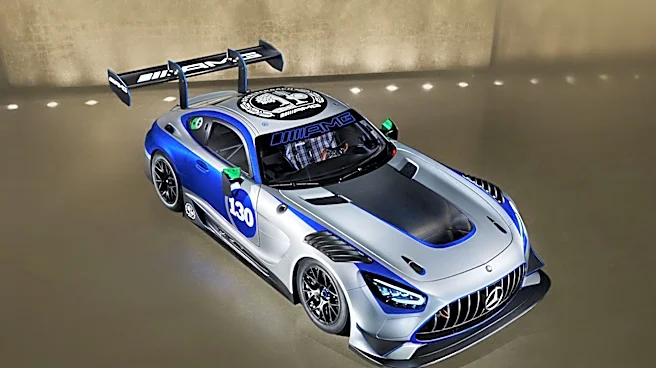
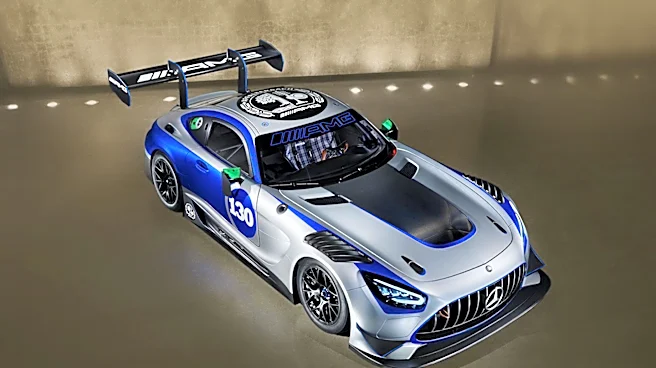
Mercedes-AMG has announced the return of V8 engines to its lineup, with new models expected by the end of 2026. This marks a strategic shift for the company, which had previously phased out V8s in favor of smaller engines. The reintroduction will begin
with SUVs, followed by other models, although the C-Class will transition to a six-cylinder AMG variant, ending its era of eight-cylinder engines. This move comes as BMW continues to offer V8 engines, having integrated electrification into its models like the G90 M5, which combines a 4.4-liter twin-turbo V8 with an electric motor for 717 horsepower. The decision by Mercedes-AMG is seen as a response to market demand and competitive pressures from BMW, which maintained its V8 offerings during Mercedes' experimental phase.
Why It's Important?
The reintroduction of V8 engines by Mercedes-AMG is significant for the automotive industry, particularly in the high-performance segment. It highlights a shift in strategy as Mercedes responds to consumer preferences and competitive dynamics. The decision could impact market share, as enthusiasts who prefer traditional combustion engines may be drawn back to Mercedes. This move also reignites the rivalry with BMW, which has successfully retained its V8 offerings, potentially influencing future product development and marketing strategies. The broader implications include a possible reevaluation of engine strategies by other manufacturers in response to consumer demand for performance and power.
What's Next?
As Mercedes-AMG reintroduces V8 engines, the automotive market can expect intensified competition between Mercedes and BMW. The focus will likely be on performance metrics and consumer reception of the new models. Mercedes will need to balance traditional combustion engine offerings with the industry's shift towards electrification and sustainability. The success of this strategy will depend on consumer response and the ability to integrate these engines into a broader lineup that meets regulatory and environmental standards. Additionally, other manufacturers may watch closely to see if this move influences market trends and consumer preferences.