










What's Happening?
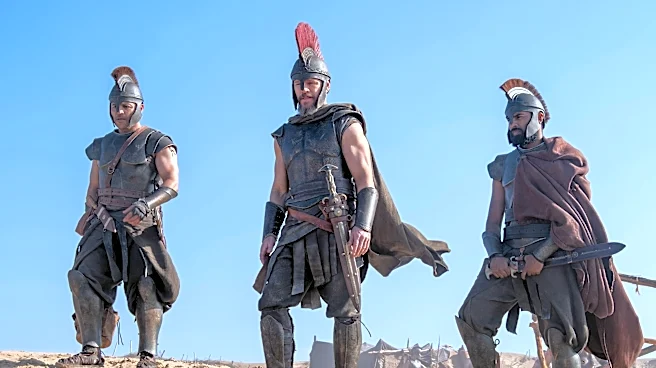
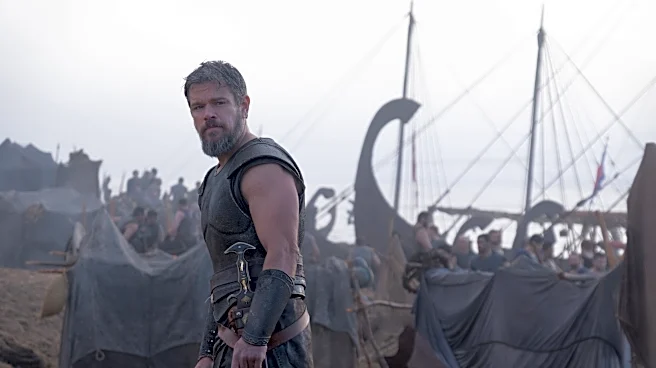
Christopher Nolan's latest film, 'The Odyssey,' has been released to critical acclaim, praised for its epic scale and emotional depth. The film, an adaptation of Homer's ancient Greek epic poem, follows the journey of Odysseus as he attempts to return
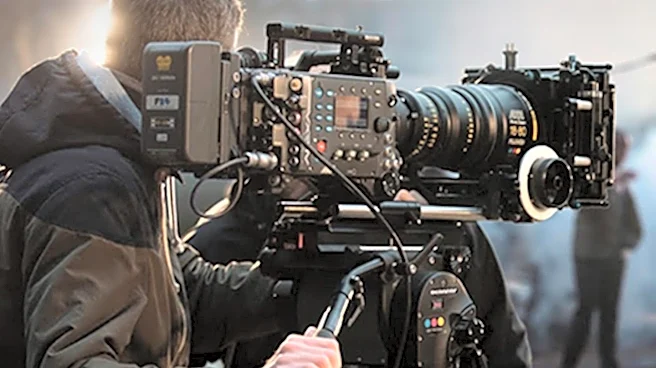
home after the Trojan War. Featuring a star-studded cast including Matt Damon, Tom Holland, and Anne Hathaway, the film is noted for its ambitious storytelling and visual grandeur. Shot entirely on IMAX 70mm cameras, 'The Odyssey' is Nolan's first film since 'Oppenheimer' and has been described as one of his most emotionally resonant works. The film's release has been highly anticipated, with tickets selling out well in advance.
Why It's Important?
The release of 'The Odyssey' marks a significant moment in contemporary cinema, showcasing the potential of large-scale filmmaking to bring classic literature to life. Nolan's adaptation not only highlights the timeless appeal of Homer's epic but also demonstrates the director's ability to blend visual spectacle with emotional storytelling. The film's success could influence future adaptations of classic works, encouraging filmmakers to explore innovative ways to present ancient stories to modern audiences. Additionally, the film's use of IMAX technology sets a new standard for cinematic experiences, potentially impacting how future films are produced and viewed.
What's Next?
As 'The Odyssey' continues to draw audiences, discussions around its potential for awards recognition are likely to intensify. The film's technical achievements, including its cinematography and score, may garner nominations in various categories. Furthermore, the film's success could lead to increased interest in adapting other classic literary works for the big screen. The reception of 'The Odyssey' will also be closely watched by industry professionals as a barometer for the viability of large-scale, high-budget adaptations in the current cinematic landscape.