





What's Happening?
Lake Superior Provincial Park is hosting a series of educational and recreational events over the weekend, offering visitors a chance to engage with the natural environment and learn about the park's unique features. Activities include a 'Meet the Naturalist'
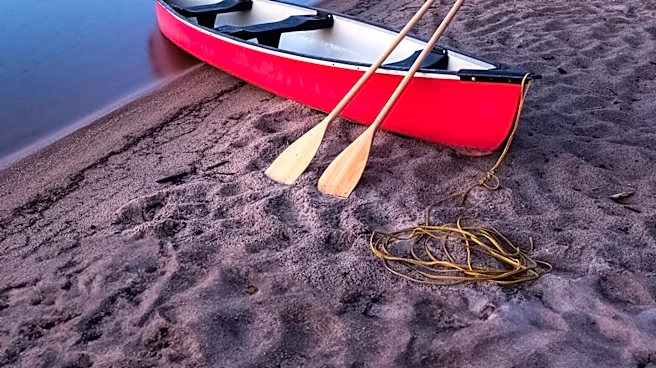
session focusing on Lake Superior's geological history, a nature observation workshop, and an art workshop inspired by the park's aquatic life. Additionally, there are guided walks for birdwatching and presentations on the life of wolves and the cultural significance of canoeing. These events are designed to cater to all ages, encouraging participants to explore and appreciate the park's diverse ecosystem.
Why It's Important?
These events at Lake Superior Provincial Park highlight the importance of environmental education and outdoor recreation in fostering a deeper connection with nature. By offering a variety of activities, the park aims to attract a wide audience, promoting conservation awareness and appreciation for natural habitats. Such initiatives can enhance public understanding of ecological systems and the need for their preservation. Moreover, these events can boost local tourism, providing economic benefits to the surrounding communities by drawing visitors to the area.
What's Next?
The continuation of such programs could lead to increased visitor engagement and support for conservation efforts. As participants gain knowledge and appreciation for the park's natural resources, they may become advocates for environmental protection. The park may also consider expanding its offerings to include more diverse activities or collaborations with local educational institutions to further enhance the learning experience. Feedback from attendees could guide future event planning, ensuring that the programs remain relevant and impactful.
Beyond the Headlines
The events at Lake Superior Provincial Park also underscore the broader cultural and historical significance of the region. By incorporating elements such as the 'Call of the Canoe' presentation, the park connects visitors with the rich heritage of canoeing in Canadian culture. This approach not only educates but also preserves cultural traditions, fostering a sense of identity and continuity. Additionally, the focus on carnivorous plants and their adaptations highlights the intricate balance of ecosystems, encouraging a deeper understanding of biodiversity and the challenges faced by various species in adapting to changing environments.