







What's Happening?
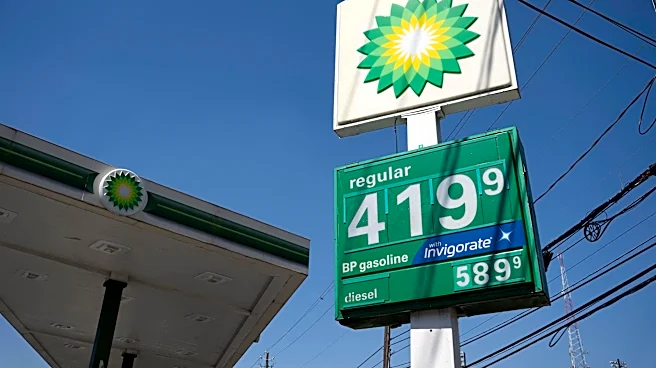
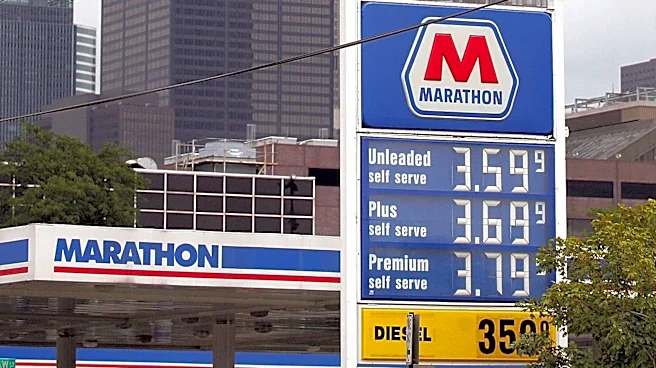
Gas prices across Tennessee have fallen for the third consecutive week, with an average decline of nine cents. The statewide average for gasoline is now $3.71, which is 24 cents less than a month ago, though still $1.07 higher than one year ago. According
to Megan Cooper, spokeswoman for AAA - The Auto Club Group, this provides "welcome relief at the pump" for Tennessee drivers. The national average for a gallon of gasoline also decreased by 12 cents over the past week, settling at $4.22. Data from the Energy Information Administration (EIA) indicates that gasoline demand declined last week, while total gas supply increased. However, U.S. oil inventories remain 4% below the five-year average.
Why It's Important?
The continued decline in Tennessee gas prices offers a tangible financial benefit to residents, potentially freeing up household budgets and stimulating local economic activity. The 24-cent drop over the past month, while significant, is tempered by the fact that prices are still over a dollar higher than the previous year, indicating a persistent inflationary trend in fuel costs. The national trend of declining demand and increasing supply, as reported by the EIA, suggests a broader market adjustment that could lead to further price reductions. However, the lower-than-average U.S. oil inventories highlight a potential vulnerability to future supply shocks, which could quickly reverse current price trends. For the average Tennessee driver, filling a 15-gallon tank now costs approximately $55, a notable increase compared to the previous year.
What's Next?
While current trends suggest continued relief at the pump, the future trajectory of gas prices in Tennessee and nationally remains subject to market dynamics and global events. Drivers are encouraged by AAA spokeswoman Megan Cooper to practice fuel-efficient habits and shop around for the best prices to maximize savings. The interplay between gasoline demand, supply levels, and oil inventories will be crucial in determining future price movements. Any significant shifts in global oil production or geopolitical stability could quickly impact prices. The current decline offers a window of opportunity for consumers, but the underlying market conditions suggest a need for ongoing vigilance regarding fuel costs.
Beyond the Headlines
The consistent drop in Tennessee gas prices, mirroring a national trend, reflects a complex interaction of supply, demand, and inventory levels within the U.S. energy market. While immediate relief is felt by consumers, the year-over-year increase of over a dollar per gallon points to a longer-term shift in fuel costs, potentially influenced by broader economic factors and global energy policies. The advice from AAA to practice fuel-efficient driving habits and shop around underscores the increasing importance of consumer behavior in managing personal fuel expenses. This situation also highlights the role of data from organizations like the EIA in providing transparency and insights into the energy market, enabling both consumers and policymakers to make informed decisions regarding energy consumption and infrastructure.