






What's Happening?
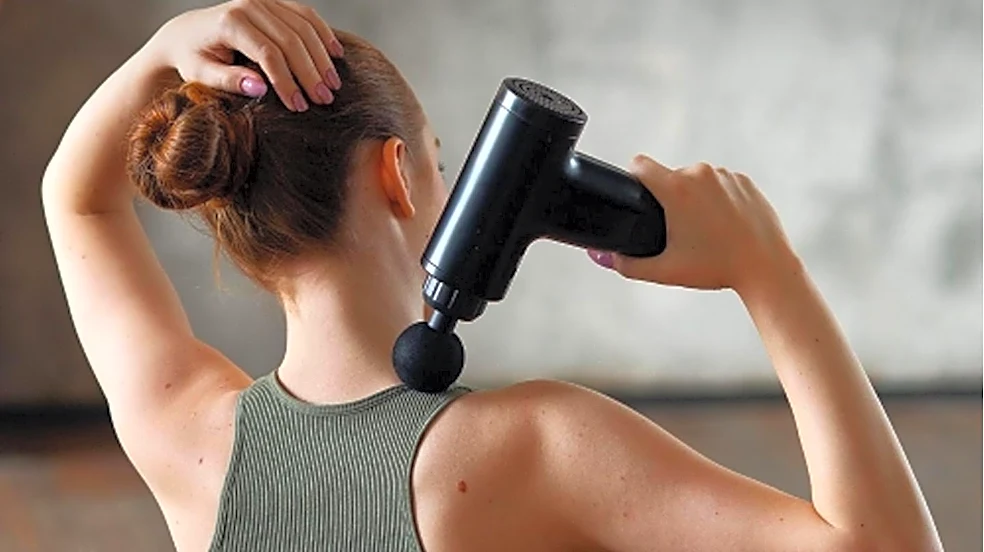
Therabody, a prominent wellness technology company, has launched two new products: ThermNeck & Upper Back and ThermFace Massage. These devices are designed to provide targeted relief for tension and pain in specific areas often affected by modern lifestyles,
including the neck, upper back, jaw, and face. The ThermNeck & Upper Back, priced at $379.99, is a wearable device that integrates five therapies: kneading massage, far-infrared heat, near-infrared LED light therapy, and two built-in Theraguns. It can be used while seated or standing, with adjustable fit and pressure. The ThermFace Massage, available for $199.99, focuses on jaw pain and tension headaches, utilizing percussive therapy and heat with four specialized attachments for delicate facial muscles. This device connects to the Therabody app via Bluetooth, offering guided routines for various conditions. These new offerings aim to bridge the gap between clinical treatments and at-home recovery, providing accessible tools for managing daily discomfort.
Why It's Important?
The introduction of ThermNeck & Upper Back and ThermFace Massage signifies a growing trend in personalized, at-home wellness solutions. These devices cater to a widespread need for relief from musculoskeletal pain and tension, which are increasingly prevalent due to factors like prolonged screen time and stress, often referred to as 'tech neck.' By offering targeted therapies that combine massage, heat, and light, Therabody is expanding the accessibility of advanced recovery techniques beyond professional settings. This development is important for consumers seeking convenient and effective ways to manage chronic discomfort, potentially reducing reliance on frequent professional treatments. For the wellness technology market, it highlights innovation in device design and integration with digital platforms, pushing the boundaries of what can be achieved in personal health management. The focus on specific, often overlooked areas like the jaw and face also addresses a niche but significant demand for specialized pain relief.
What's Next?
Following the launch, Therabody's new devices are now available on Therabody.com and through major retail partners such as Best Buy, Target, Ulta, and Amazon. This broad distribution strategy suggests an expectation of significant consumer uptake, particularly as the holiday shopping season approaches. The integration of ThermFace Massage with the Therabody app indicates a continued emphasis on digital connectivity and guided user experiences, which may see further expansion with more routines and personalized programs. The company may also gather user feedback to refine existing products or develop new ones that address other specific pain points. Competitors in the wellness technology sector will likely monitor the market reception of these specialized devices, potentially leading to similar innovations in targeted relief solutions. The success of these products could also influence healthcare providers to recommend such at-home tools as supplementary to traditional physical therapy.
Beyond the Headlines
The launch of these targeted massage devices reflects a broader societal shift towards proactive self-care and the integration of technology into daily wellness routines. As individuals spend more time in sedentary positions or engaging with digital devices, the demand for solutions that mitigate associated physical strain will continue to grow. This trend also raises questions about the evolving role of technology in healthcare, blurring the lines between medical treatment and consumer wellness products. The emphasis on 'science-backed therapies' by Therabody underscores a consumer desire for evidence-based solutions, pushing manufacturers to invest more in research and development. Furthermore, the convenience and accessibility of these devices could democratize access to pain relief, making advanced therapies available to a wider demographic who might not have the time or resources for regular professional treatments. This could lead to a re-evaluation of traditional pain management approaches and a greater acceptance of tech-driven self-care.