





What's Happening?
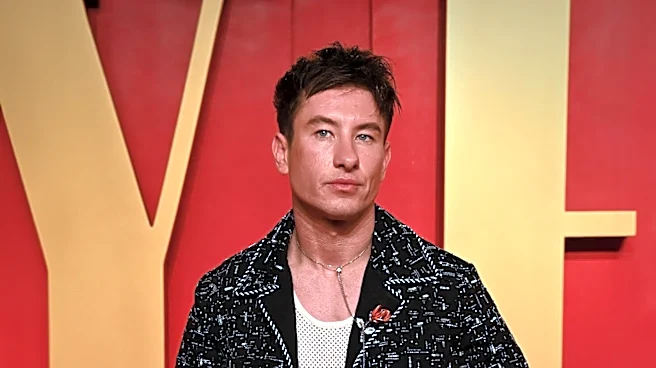
Barry Keoghan stars as Oliver Quick in the film 'Saltburn', a satirical thriller that explores the unexpected turns in the life of a scholarship student at Oxford University. Oliver, an outsider among his wealthy peers, is invited by the charming Felix
Catton (Jacob Elordi) to spend the summer at his affluent family's estate. The film, directed by Emerald Fennell, reveals that Oliver's initial encounter with Felix was not accidental, and his background story, including claims about his family's poverty and his father's suicide, was fabricated. When Felix discovers Oliver's lies, he asks him to leave Saltburn. However, Felix is found dead the next morning. The narrative unfolds with Oliver manipulating the Catton family, leading to further tragedies, including the suicide of Felix's sister, Venetia, and the expulsion of their cousin, Farleigh. The film's climax reveals Oliver's calculated involvement in Felix's death and his subsequent maneuvering to inherit the Catton family's estate, Saltburn.
Why It's Important?
The film 'Saltburn' and Barry Keoghan's portrayal of Oliver Quick are significant for their exploration of class, obsession, and manipulation within a privileged setting. The narrative challenges audience perceptions by presenting a protagonist whose actions, initially appearing sympathetic, are revealed to be deeply sinister and premeditated. This subversion of expectations prompts viewers to consider the darker aspects of human nature and the lengths to which individuals might go to achieve their desires, particularly when driven by envy or a thirst for power. The film's critical reception and the discussions it generates highlight its relevance in contemporary cinema, offering a commentary on social hierarchies and the psychological complexities of its characters. The unexpected twists and the ambiguous nature of Oliver's motivations contribute to a compelling cinematic experience that resonates with themes of ambition and moral ambiguity.
What's Next?
While 'Saltburn' has already been released and its narrative concluded, the film's themes and Keoghan's performance are likely to continue generating discussion and analysis among film critics and audiences. The film's ending, which leaves some aspects of Oliver's planning open to interpretation, encourages re-watching and deeper engagement with the story's psychological underpinnings. The success of 'Saltburn' may influence future projects for director Emerald Fennell and lead to more roles for Barry Keoghan in complex, character-driven thrillers. The film's exploration of class dynamics and the dark side of ambition could also inspire other filmmakers to delve into similar themes, contributing to a broader trend in cinematic storytelling that challenges conventional narratives of wealth and power.
Beyond the Headlines
Beyond its immediate plot, 'Saltburn' delves into deeper psychological and societal implications. The film can be interpreted as a critique of the British aristocracy and the insular world of extreme wealth, where outsiders like Oliver can exploit vulnerabilities and manipulate those within. The character of Oliver Quick embodies a chilling commentary on the nature of obsession and the blurred lines between admiration and malevolence. His actions raise questions about the origins of such destructive ambition—whether it stems from a desire for belonging, revenge, or simply a profound sense of entitlement. The film's aesthetic and narrative choices, including its shocking moments, serve to provoke thought about the moral decay that can exist beneath a veneer of sophistication and privilege. It challenges viewers to confront uncomfortable truths about human nature and the potential for darkness to reside in unexpected places.