



What's Happening?
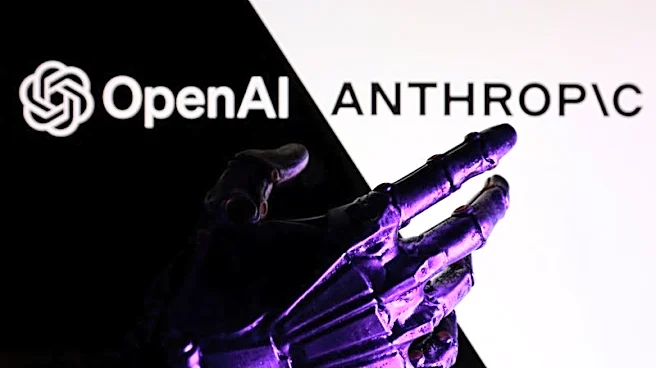
Anthropic, led by CEO Dario Amodei, has announced the implementation of a watermarking system in texts generated by its AI model, Claude, to comply with the European Union's new Transparency Code. This code, effective from August 2, mandates companies
to identify all AI-generated content. The watermark is embedded within the text, making it imperceptible but traceable, even after editing or translation. This move aims to prevent unauthorized use of AI-generated content and aligns with similar actions by other tech giants like OpenAI. The watermarking will be included in all models released after August 2, with a compliance deadline for older models set for December 2.
Why It's Important?
The introduction of watermarking in AI-generated texts marks a significant step towards greater transparency and accountability in the use of artificial intelligence. This measure could impact millions of workers who rely on AI for content creation, as it challenges the anonymity previously associated with AI-generated texts. By ensuring traceability, Anthropic and other companies are addressing concerns about the misuse of AI in spreading misinformation or plagiarizing content. This initiative reflects a broader industry trend towards self-regulation and compliance with international standards, potentially influencing future regulatory frameworks in the U.S. and beyond.
What's Next?
As Anthropic and other companies implement these watermarking measures, the focus will likely shift to how effectively these systems can be monitored and enforced. The development of tools to detect and verify watermarked content will be crucial. Additionally, the response from users and industries that rely on AI-generated content will be important to watch, as they may need to adapt their practices to accommodate these new transparency requirements. The success of this initiative could set a precedent for similar regulations in other regions, including the United States.