






What's Happening?
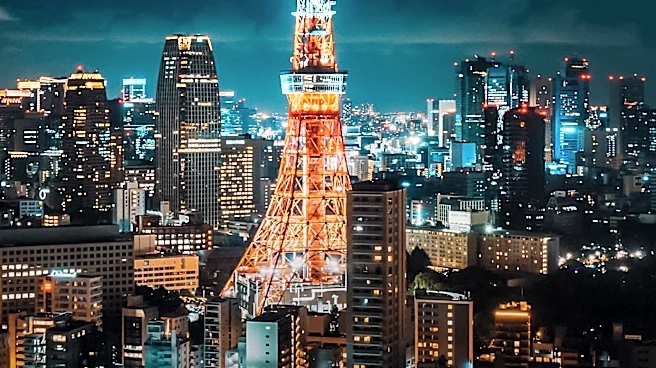
Multiple sources detail various festivals and events occurring in Tokyo throughout the year, but none explicitly mention a 'Tokyo Summer Harvest' festival. Suitengu Shrine, a notable location in Tokyo, hosts several annual festivals. These include the Hatsu-Suitengu
on January 5, the Setsubun Festival on February 3, and the Grand Festival on May 5, which is considered the most important. The shrine also conducts summer purification rites on June 30 and a Niiname-sai (harvest festival) on November 23, where new grains are offered to the kami in thanks for the year's crop. Other events mentioned in Tokyo include an all-night open-air art festival in October and various food and cultural events. While there are references to summer in Tokyo being hot and humid with lively festivals and fireworks displays, and mentions of autumn markets with seasonal produce, a specific event named 'Tokyo Summer Harvest' is not detailed in the provided information.
Why It's Important?
The absence of a specific 'Tokyo Summer Harvest' event in the provided information is important for individuals planning to visit Tokyo with an expectation of such a festival. Tourists and cultural enthusiasts often seek out seasonal events to experience local traditions and agricultural celebrations. While Tokyo offers a rich tapestry of festivals, understanding the specific nature and timing of these events is crucial for accurate travel planning and managing expectations. The Niiname-sai in November, for instance, is a harvest festival, but it occurs in autumn, not summer. This distinction highlights the importance of precise information when engaging with cultural calendars, ensuring that visitors can align their interests with actual local happenings and avoid potential misunderstandings about seasonal celebrations.
What's Next?
For those interested in harvest-related celebrations in Tokyo, the Niiname-sai at Suitengu Shrine on November 23 would be the most relevant event to consider, as it is explicitly described as a harvest festival. Visitors planning trips to Tokyo during the summer months should instead look for general summer festivals and fireworks displays, which are noted to be lively during July and August. It is advisable for individuals to consult official shrine and city tourism websites for the most up-to-date schedules and details of specific events, as dates can change annually. Further research into broader Tokyo summer events might reveal other food-related gatherings, even if not explicitly termed a 'summer harvest' festival.
Beyond the Headlines
The detailed listing of various festivals at Suitengu Shrine, such as the Hatsu-Suitengu, Setsubun Festival, and the Grand Festival, underscores the deep-rooted cultural and religious traditions that continue to thrive in modern Tokyo. These events often blend ancient Shinto practices with community engagement, offering insights into Japanese spiritual life and seasonal observances. The Niiname-sai, as a harvest festival, reflects a universal human connection to agricultural cycles and gratitude for nature's bounty, a theme echoed in many cultures worldwide. The emphasis on purification rites in June and December also highlights the importance of spiritual cleansing and renewal within Japanese traditions, demonstrating a continuous cycle of reflection and preparation throughout the year.