







What's Happening?
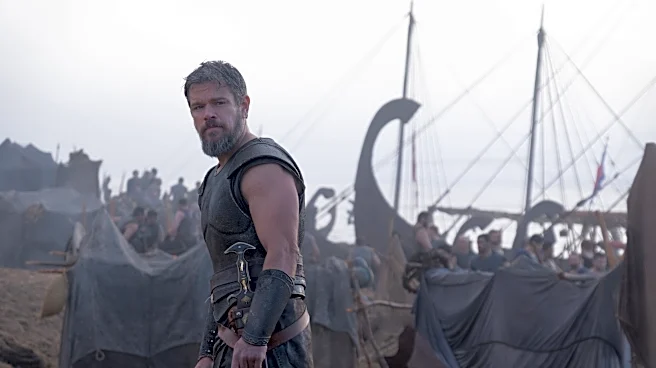
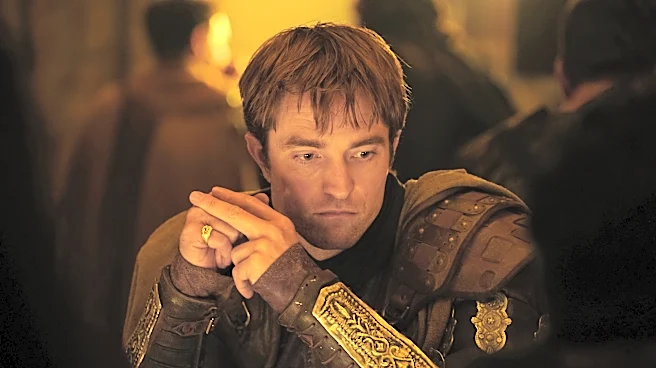
Christopher Nolan's adaptation of 'The Odyssey' has sparked significant discussion among academics, including Homerists, archaeologists, and historians. The film, which features a nonverbal Polyphemus and a unique depiction of language, has been described
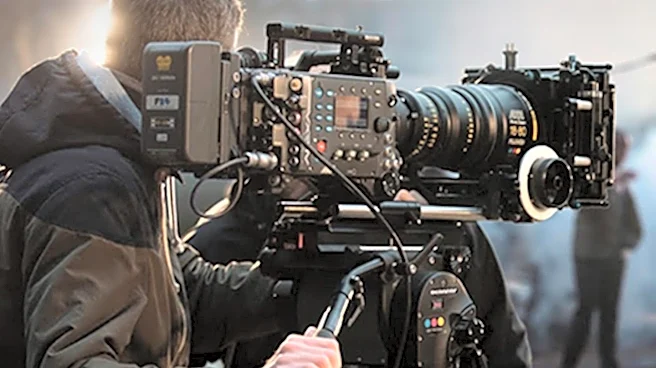
as Nolan's own interpretation of the ancient epic. Scholars have debated the film's artistic liberties, with some appreciating its modern take while others critique its deviation from the original text. Despite differing opinions, the film is generating excitement for its use of Imax technology and its potential impact on the study of classic literature.
Why It's Important?
The release of 'The Odyssey' is significant as it brings renewed attention to classic literature, potentially revitalizing interest in the humanities. The film's use of Imax technology and its box office success could influence future adaptations of ancient texts. Additionally, the film's casting and production choices have sparked cultural debates, highlighting ongoing discussions about representation in media. For academics, the film offers a new medium to explore and discuss Homeric themes, potentially increasing enrollment in related courses and fostering a broader appreciation for classical studies.
What's Next?
As 'The Odyssey' continues to be discussed in academic circles, it is likely to influence classroom discussions and scholarly research. The film's success may lead to more adaptations of classical works, encouraging filmmakers to explore ancient stories with modern technology. Additionally, the cultural debates surrounding the film's casting and production choices may prompt further discussions about diversity and representation in Hollywood. The film's impact on the humanities could also lead to increased funding and support for classical studies programs.