


What's Happening?
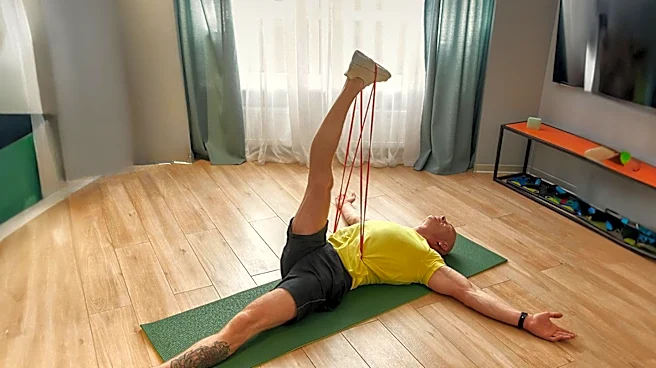
Assisted stretching, a practice where a trained practitioner helps move or hold the body in a position, is gaining traction in various fitness and wellness centers. This method, which includes techniques like proprioceptive neuromuscular facilitation
(PNF), is being offered at gyms, dedicated studios, and physical therapy practices. The practice is designed to improve mobility, flexibility, and joint range of motion by using controlled positioning, breath work, and gradual tension to signal the nervous system to allow more movement. While assisted stretching is not a cure-all, it offers benefits such as improved flexibility and joint range of motion, which are supported by research. However, it is not automatically superior to independent stretching, and its effectiveness can vary based on individual needs and conditions.
Why It's Important?
The growing interest in assisted stretching highlights a shift towards personalized fitness and wellness solutions. This trend reflects a broader societal focus on maintaining mobility and flexibility, especially as people age or engage in repetitive activities that can lead to stiffness. Assisted stretching provides a structured approach to addressing these issues, offering a potential solution for those who struggle with self-directed stretching routines. The practice's emphasis on personalized care and real-time feedback from specialists can lead to more effective outcomes, making it an attractive option for individuals seeking to enhance their physical well-being. This development also underscores the importance of integrating professional guidance into fitness routines to maximize benefits and prevent injuries.