




What's Happening?
IFA 2026 is showcasing significant advancements in smart home and kitchen technologies, emphasizing invisible, intelligent, and highly personalized living environments. The trend report from Hettich indicates a shift towards connected technologies, individual
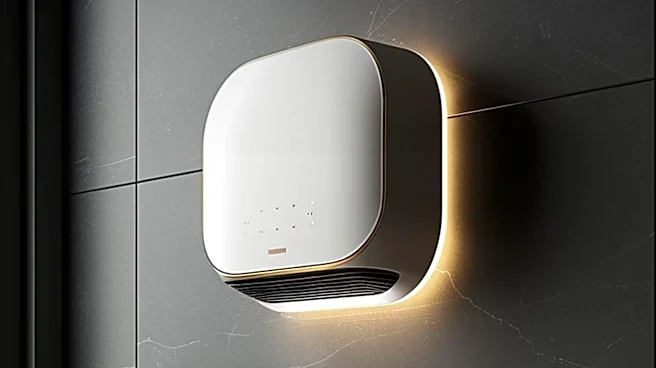
design preferences, and multifunctional furnishing solutions that create adaptable homes. A key development is the integration of appliances, furniture, and fittings to achieve seamless functionality and aesthetic harmony. The color palette for appliances is expanding beyond traditional black, white, or stainless steel to include warm, understated shades like pearl beige, cream, and soft natural hues, allowing appliances to blend more harmoniously into interiors. This also includes matt surfaces that reinforce a calm, homely feel and add depth to new color shades, making appliances personal statements within the kitchen and home.
Why It's Important?
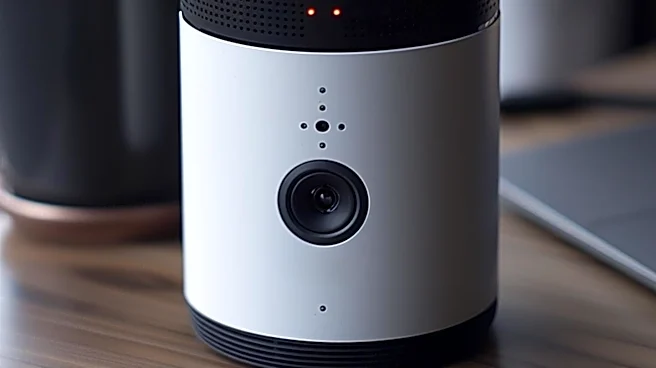
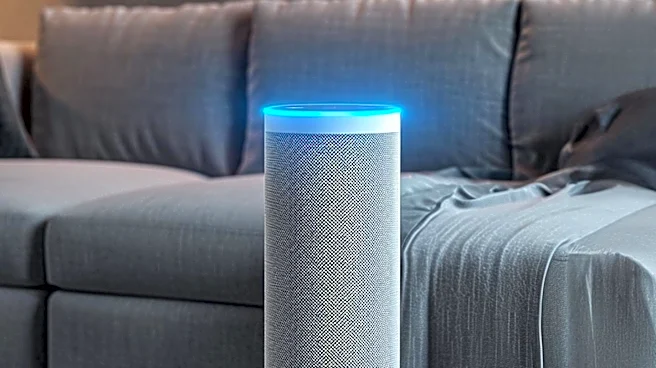
This evolution in smart home and kitchen design has significant implications for U.S. consumers and industries. The focus on seamless integration and personalized design means that manufacturers will need to innovate in both technology and aesthetics to meet evolving consumer demands. The shift towards appliances that act as intelligent assistants, rather than just app-controlled devices, suggests a future where homes are more responsive and intuitive. This could drive growth in the smart appliance market and related sectors, such as home automation and interior design. For consumers, these advancements promise more convenient, efficient, and aesthetically pleasing living spaces, potentially influencing purchasing decisions and home renovation trends across the U.S.
What's Next?
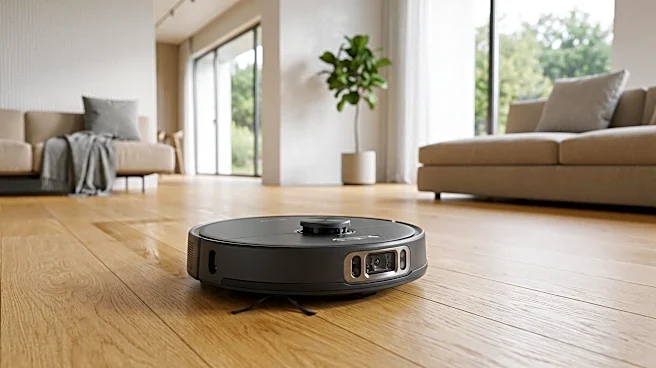
Looking ahead, the industry is expected to see further development in appliances that recognize situations, evaluate information, and derive specific actions, moving beyond simple app control. The concept of intelligence moving physically through space and interacting with furniture, appliances, and people suggests a future where spaces are increasingly designed for collaboration between humans and machines. This will necessitate easy accessibility, intuitive movements, and clearly defined interfaces in product design. Kitchens are likely to be planned more holistically, with fronts, appliances, worktops, and adjoining living areas following shared color concepts to create coherent overall impressions. This trend will likely influence product development cycles and marketing strategies for home appliance and furniture manufacturers in the U.S.
Beyond the Headlines
The deeper implications of these trends extend to how we perceive and interact with our living spaces. The integration of technology into the very fabric of our homes raises questions about privacy, data security, and the ethical considerations of increasingly intelligent environments. As appliances become more autonomous and interconnected, the need for robust cybersecurity measures and clear data usage policies will become paramount. Culturally, this shift could redefine the concept of 'home' as a dynamic, responsive entity, potentially influencing architectural design, urban planning, and even social behaviors related to domestic life. The emphasis on personalized design also reflects a broader societal trend towards individual expression and customization in consumer goods.