







What's Happening?
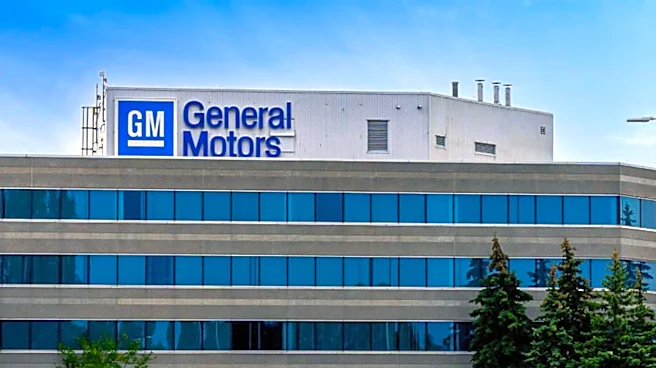
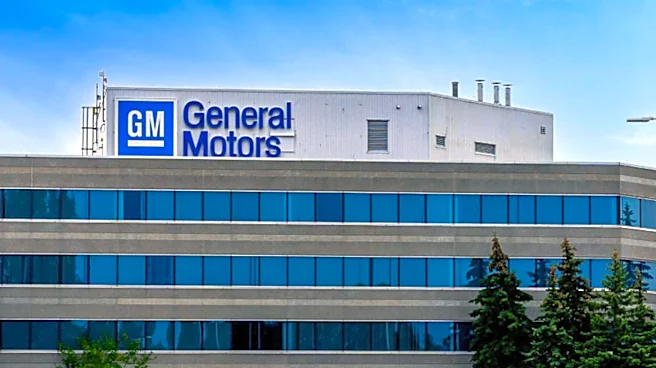
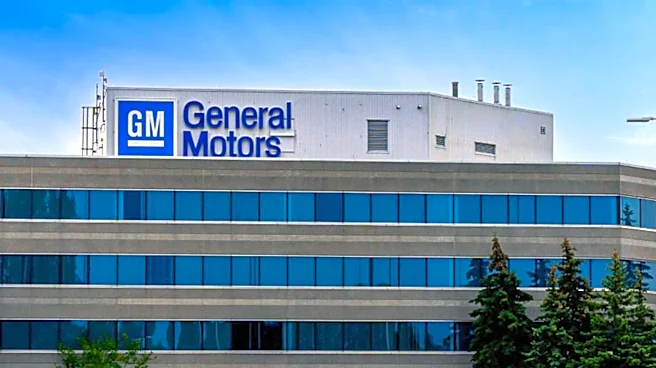
General Motors (GM) has agreed to a $220 million settlement with a bipartisan coalition of 36 state attorneys general. The settlement resolves allegations that GM illegally collected and sold consumers' private driving behavior and location data through
its OnStar Smart Driver program without explicit consent. Between 2016 and 2024, millions of drivers were enrolled in the program, often without their knowledge, with some dealerships enrolling customers without explicit consent. The program tracked detailed driving habits, including hard braking, acceleration, speeding, and late-night trips. This data was then sold to third-party data brokers, who subsequently sold it to insurance companies. These insurers reportedly used the collected data to adjust policyholders' premiums, sometimes leading to increases. Furthermore, over 370,000 drivers were mistakenly informed by the OnStar application that they were not enrolled in data tracking while their information was actively being collected and monetized. Following public reports on these practices, GM discontinued the Smart Driver program.
Why It's Important?
This settlement underscores the growing legal and public scrutiny over data privacy practices within the automotive industry. It highlights the significant financial and reputational risks companies face when handling sensitive consumer data without proper consent and transparency. For consumers, the settlement reinforces their right to control personal data generated by their vehicles and provides a measure of protection against unauthorized data monetization. The use of driving data by insurance companies to set rates without explicit consent raises concerns about fairness and transparency in pricing models. This case could set a precedent for how other automakers manage in-car data, potentially leading to more stringent consent requirements and data protection measures across the industry. States like Idaho will receive $3.1 million, North Carolina $7.7 million, and Wisconsin $5.12 million from the settlement, demonstrating the financial impact of such privacy violations.
What's Next?
As part of the settlement, GM is now required to obtain affirmative express consent from consumers before collecting or disclosing any driving and location data. The company must also limit the amount of driving data it collects and implement a comprehensive data privacy program. This program includes mandatory internal and external data protection and privacy program assessments, which are significantly stronger than previous resolutions. Additionally, GM has agreed to implement oversight and training requirements at its dealerships to prevent consumers from being enrolled in data collection schemes without their consent. These measures aim to enhance consumer protection and ensure greater transparency in data handling practices. The settlement terms will likely influence future data privacy policies and practices within the automotive sector, potentially prompting other manufacturers to review and strengthen their own consent and data management protocols.
Beyond the Headlines
The GM settlement reflects a broader societal debate about data ownership and the ethical implications of connected vehicle technologies. As cars become more sophisticated and generate vast amounts of personal data, questions arise about who owns this data, how it can be used, and the extent to which individuals can control its dissemination. This case highlights the potential for data collected for one purpose (e.g., safety features) to be repurposed for commercial gain (e.g., insurance pricing) without the user's full awareness or consent. It also brings to light the complexities of obtaining informed consent in digital environments, especially when terms are embedded in lengthy agreements or handled by third parties like dealerships. The outcome could spur legislative efforts to create clearer federal guidelines for automotive data privacy, ensuring that consumer rights are protected in an increasingly data-driven transportation landscape.