





What's Happening?
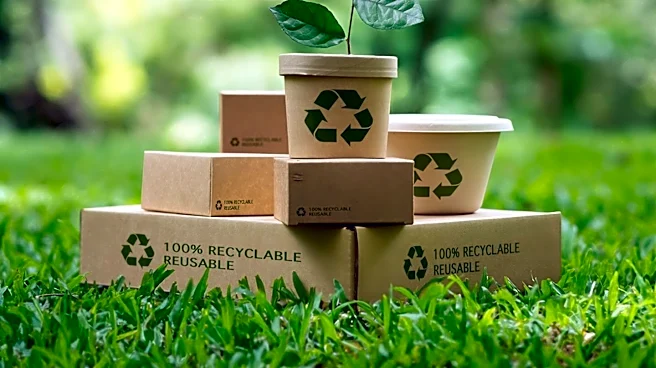
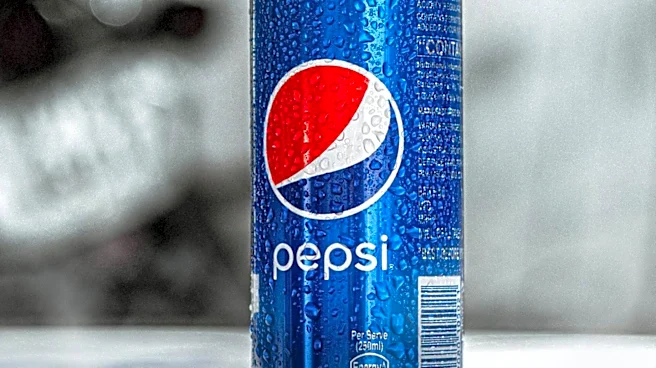
Nestlé and PepsiCo are among six Fast-Moving Consumer Goods (FMCG) companies that have joined forces to form the PaperFlex Consortium. This initiative aims to accelerate the development of paper-based alternatives to flexible plastic packaging. Convened
by the Ellen MacArthur Foundation and operated by (RE)SET, the consortium also includes Colgate-Palmolive, Mars, Procter & Gamble, and Unilever. The group announced on September 16 that its focus will be on markets where flexible plastic packaging is widely used and where inadequate collection and recycling systems increase the likelihood of environmental pollution. The consortium intends to design alternatives that are recyclable as collection systems improve and biodegradable if they inadvertently end up in the environment. Flexible plastic packaging is commonly used for products such as confectionery, snacks, and personal-care goods. The consortium will concentrate on technologies like biodegradable coatings and other materials that can protect products, extend shelf life, and enhance consumer usability, while also performing efficiently on production lines. Sander Defruyt, Ellen MacArthur Foundation strategy lead for plastics, noted that responsible paper-based flexible packaging solutions currently lack the necessary performance, scale, and cost for widespread adoption.
Why It's Important?
This consortium represents a significant collaborative effort by major U.S. and international consumer goods companies to address the pervasive issue of plastic pollution, particularly from flexible packaging. The widespread use of flexible plastics in products like snacks and personal care items contributes substantially to environmental waste, especially in regions with poor recycling infrastructure. By focusing on paper-based alternatives that are both recyclable and biodegradable, the PaperFlex Consortium aims to mitigate this environmental impact, aligning with growing consumer demand for sustainable products and corporate sustainability targets. The initiative's emphasis on developing solutions that maintain product protection, shelf life, and production line efficiency is crucial for widespread adoption, as previous attempts at paper-based packaging have faced performance and cost challenges. This collaboration could drive innovation in materials science and packaging technology, potentially creating new market opportunities for sustainable packaging solutions and influencing industry standards. The involvement of the Ellen MacArthur Foundation underscores the strategic importance of this effort within the broader circular economy framework, aiming to reduce reliance on virgin plastics and foster a more sustainable consumption model.
What's Next?
The PaperFlex Consortium will now focus on developing and deploying promising paper innovations at scale, aiming to overcome the current limitations in performance, cost, and scalability of paper-based flexible packaging. This will involve intensive research and development into new technologies, such as advanced biodegradable coatings and novel materials, to ensure product protection, shelf life, and efficient manufacturing. The consortium's efforts will be directed towards creating alternatives that are designed for recyclability as collection systems evolve and for biodegradability in environments where recycling is not yet feasible. Collaboration among the member companies, facilitated by the Ellen MacArthur Foundation and (RE)SET, will be key to sharing knowledge, resources, and accelerating progress. The initiative is expected to influence supply chains, potentially leading to increased investment in sustainable packaging infrastructure and a shift in material sourcing. Success in this endeavor could set new benchmarks for the consumer goods industry, encouraging other companies to adopt similar sustainable packaging strategies and contributing to a significant reduction in flexible plastic waste globally.
Beyond the Headlines
The formation of the PaperFlex Consortium highlights a deeper systemic challenge within the consumer goods industry: the difficulty of balancing product functionality, cost-effectiveness, and environmental responsibility. The current reliance on flexible plastic packaging, despite its environmental drawbacks, is largely due to its superior performance in terms of barrier properties, durability, and cost. The consortium's efforts to find viable paper-based alternatives reflect a growing recognition that incremental changes are insufficient to address the scale of plastic pollution. This initiative could trigger a broader re-evaluation of packaging design principles, pushing for 'design for environment' to become a core tenet of product development. Ethically, it addresses corporate responsibility towards environmental stewardship and consumer well-being, responding to public pressure for more sustainable practices. Culturally, a successful transition to paper-based flexible packaging could normalize sustainable consumption, making eco-friendly choices more accessible and mainstream. The collaboration among competing companies also signals a shift towards pre-competitive cooperation on shared environmental challenges, suggesting that industry-wide solutions are increasingly seen as necessary for collective progress. This could pave the way for similar consortia addressing other sustainability issues in the future.