








What's Happening?
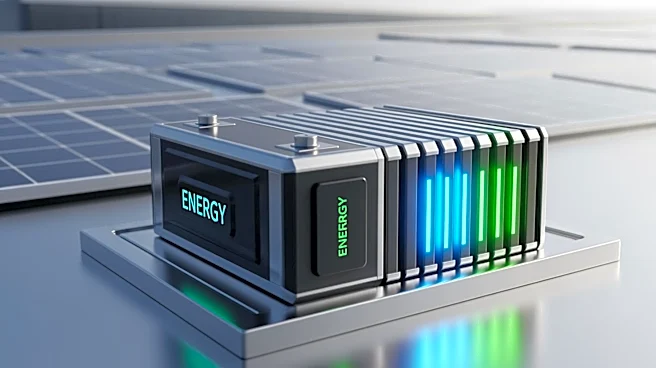
Budderfly, an energy-as-a-service company, has partnered with Viridi to install approximately 100 battery energy storage systems across various commercial sites managed by Budderfly. This initiative marks a significant expansion in the deployment of battery storage systems,
which are typically installed in smaller numbers. The first phase of this partnership will see installations in Massachusetts, Connecticut, and California. The systems are designed to support a range of commercial facilities, including restaurants, retail locations, fitness centers, and manufacturing facilities. The goal is to modernize energy infrastructure, improve efficiency, and enhance resiliency without requiring upfront capital investment. The systems will help reduce peak demand, improve energy cost predictability, and increase resilience during grid stress events. The installations are expected to ramp up through late 2026 and 2027, with system designs tailored to each site based on specific energy usage patterns.
Why It's Important?
This large-scale deployment of battery energy storage systems is crucial for advancing energy efficiency and sustainability in the commercial sector. By integrating these systems, businesses can better manage energy consumption, reduce costs, and enhance their resilience against grid disruptions. The initiative reflects a broader shift towards optimizing energy use rather than merely increasing power generation. This approach not only benefits individual businesses by lowering operational costs but also contributes to a more flexible and responsive energy infrastructure. As energy demands continue to grow, such innovations are essential for maintaining grid stability and supporting the transition to renewable energy sources.
What's Next?
The partnership between Budderfly and Viridi is set to expand further, with installations continuing through 2027. As the systems are deployed, they will be monitored and optimized to ensure maximum efficiency and performance. The success of this initiative could encourage other companies to adopt similar energy solutions, potentially leading to widespread changes in how commercial energy infrastructure is managed. Additionally, the integration of these systems may prompt further innovations in energy storage technology and management practices, driving the industry towards more sustainable and efficient energy solutions.