






What's Happening?
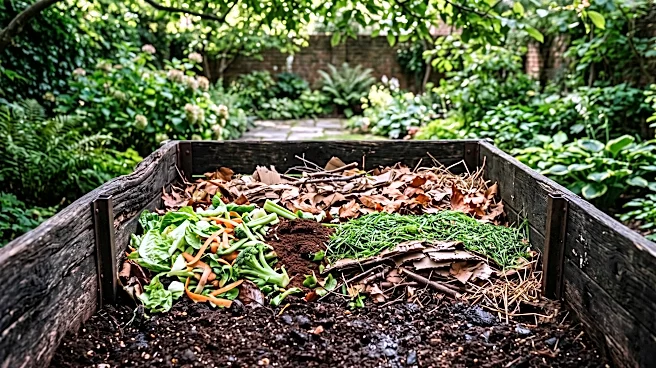
A comprehensive guide on home composting outlines the process of converting kitchen scraps and garden waste into nutrient-rich soil. The guide emphasizes the importance of balancing 'greens,' which are rich in nitrogen (like fruit and vegetable peelings,
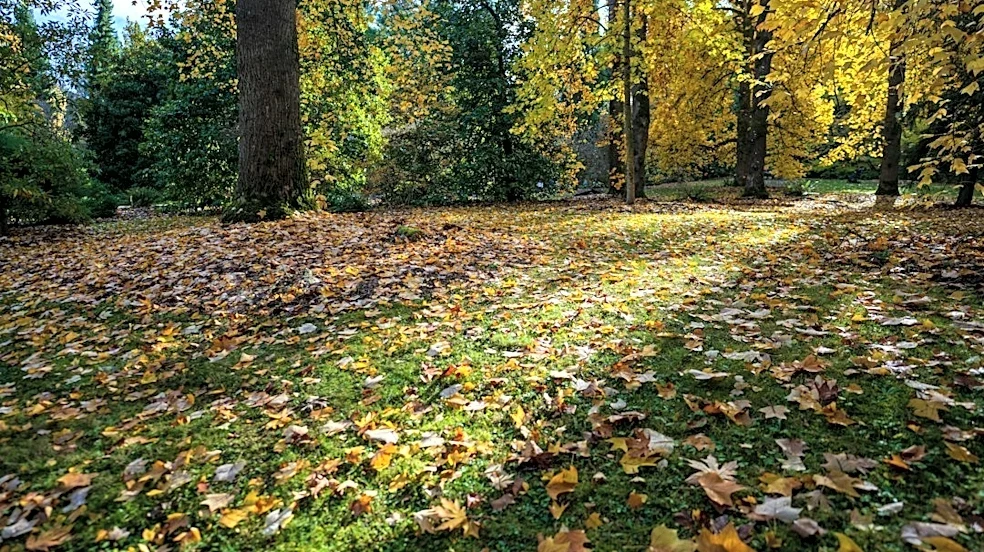
coffee grounds, and grass clippings), and 'browns,' which are rich in carbon (such as dry leaves, shredded cardboard, and straw). A general rule suggests adding roughly equal volumes of greens and browns, or slightly more browns, to maintain a healthy compost heap. The process relies on bacteria, fungi, worms, and insects to break down organic material, requiring carbon, nitrogen, moisture, and air. The guide also specifies materials to avoid, including meat, fish, dairy products, oily foods, pet waste, diseased plants, glossy paper, and ash from coal or treated wood, to prevent pests and odors. Setting up a bin on bare soil in a shaded spot with a base layer of twigs for airflow is recommended, followed by alternating layers of greens and browns.
Why It's Important?
Home composting offers significant environmental and economic benefits for U.S. households. By diverting kitchen and garden waste from landfills, it reduces the volume of municipal solid waste, thereby decreasing landfill burden and associated methane emissions, a potent greenhouse gas. This practice also lessens the need for chemical fertilizers and soil amendments, saving money for homeowners and reducing chemical runoff into waterways. The resulting compost improves soil structure, water retention, and nutrient availability, fostering healthier plants and gardens. For urban dwellers, even small-scale composting options like worm bins or bokashi buckets provide a sustainable way to manage organic waste. The widespread adoption of home composting could contribute to broader sustainability goals, promoting a circular economy where waste is repurposed into valuable resources, benefiting local ecosystems and public health.
What's Next?
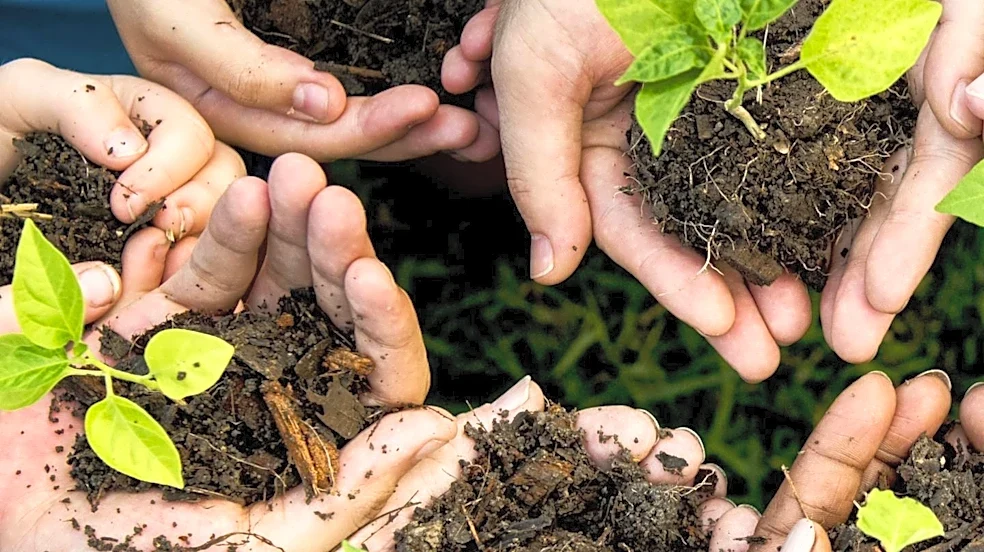
Individuals interested in home composting can begin by gathering appropriate materials and setting up a compost bin according to the outlined guidelines. Regular maintenance, including ensuring proper moisture levels (like a wrung-out sponge) and aerating the heap every few weeks with a garden fork, will facilitate decomposition. Chopping larger materials into smaller pieces will also speed up the process. Troubleshooting tips are provided for common issues such as rotten smells (add browns and turn), lack of activity (add greens and water), flies (bury scraps), and rodents (remove meat/cooked food and use a closed bin). Finished compost, characterized by its dark brown, crumbly texture and earthy smell, can be ready in three to six months with proper management, or a year or more if left undisturbed. This compost can then be used as mulch, mixed into planting holes, blended with potting mix, or lightly top-dressed on lawns.
Beyond the Headlines
The practice of home composting extends beyond mere waste management; it fosters a deeper connection to natural cycles and promotes environmental stewardship at the individual level. By actively participating in the decomposition process, individuals gain a tangible understanding of nutrient cycling and soil health, which can influence broader consumption and waste habits. Ethically, it aligns with principles of sustainability and resource conservation, encouraging a shift away from a linear 'take-make-dispose' economy. Culturally, as more communities embrace eco-conscious living, home composting can become a normalized and valued household practice, contributing to a collective effort towards a greener future. The educational aspect of understanding what can and cannot be composted also raises awareness about the composition of household waste and the environmental impact of various products.