

What's Happening?
Fine Gardening highlights strategies for designing gardens that not only solve practical problems but also create inviting and immersive outdoor spaces. The core approach involves identifying specific challenges, such as the need for privacy screening,
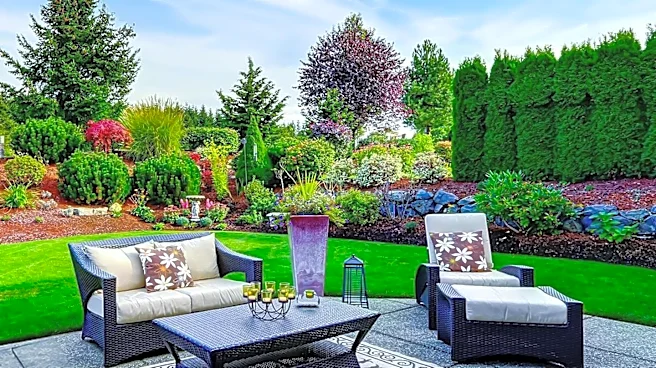
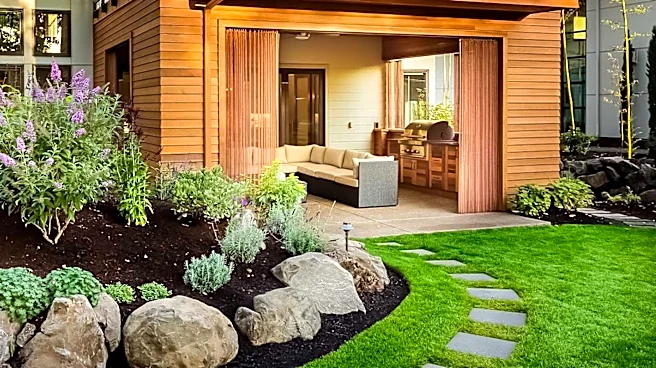
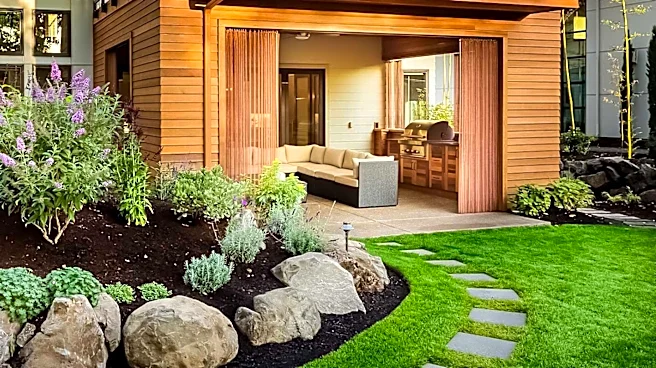
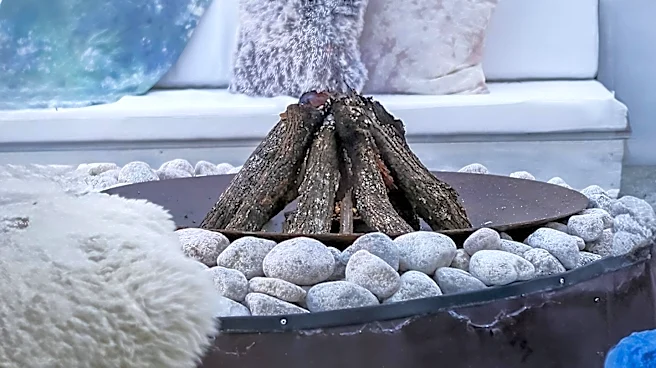
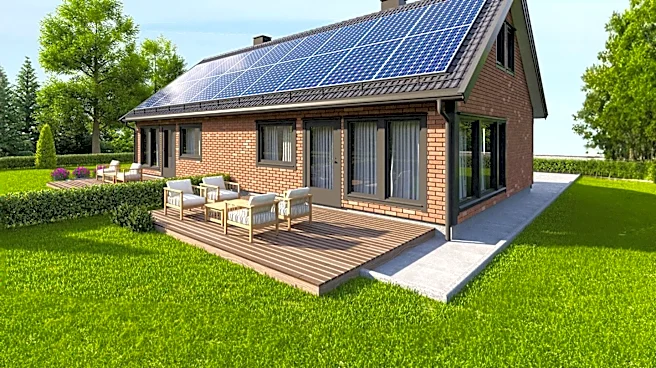
and assessing environmental conditions like sun exposure and soil type. Designers aim to integrate various outdoor elements, including eating areas, outdoor kitchens, hot tubs, play areas, ponds, fountains, or hidden sitting areas, tailored to individual client needs. The goal is to combine these features with naturalistic plantings to encourage year-round engagement with the garden. For instance, to address privacy concerns, the article suggests using soft screens of trees and tall shrubs, carefully positioned to avoid property line conflicts. It also emphasizes working with the site's natural offerings, such as full sun conditions, rather than trying to force unsuitable plant choices, and creating gardens that can be experienced rather than just observed, fostering connections with wildlife.
Why It's Important?
This approach to garden design is important because it shifts the focus from purely aesthetic considerations to functional and ecological ones, creating spaces that are both beautiful and purposeful. By addressing challenges like privacy and environmental conditions upfront, designers can create more sustainable and resilient gardens that thrive with less intervention. The emphasis on integrating outdoor living elements encourages people to spend more time outdoors, which has documented benefits for physical and mental well-being. Furthermore, designing for wildlife, such as providing food sources for birds and habitats for insects, contributes to local biodiversity and ecosystem health. This holistic perspective on garden design promotes a deeper connection between individuals and nature, transforming outdoor spaces into dynamic, living environments that offer continuous engagement and enjoyment.
What's Next?
Gardeners and homeowners are encouraged to begin their design process by asking themselves key questions about their needs, challenges, and desired experiences for their outdoor spaces. This involves assessing the site's location, environmental conditions, and any specific problems to be solved, such as screening or creating focal points. The article suggests incorporating drought-tolerant plants and naturalistic plantings to work with the site rather than against it. Future trends in garden design are likely to continue emphasizing sustainability, biodiversity, and the creation of multi-functional outdoor rooms that extend living spaces. Consulting with professional designers or utilizing resources like Fine Gardening can help individuals develop purpose-driven designs that enhance their connection with nature and solve practical problems effectively.
Beyond the Headlines
The principles outlined by Fine Gardening reflect a broader philosophical shift in how humans interact with their environment. Moving beyond purely ornamental gardens, there's a growing desire for spaces that are integrated into daily life, offering utility, ecological benefits, and sensory experiences. The concept of 'problem-solving' design extends to addressing issues like urban heat islands, stormwater management, and habitat loss, positioning gardens as micro-solutions to larger environmental challenges. The emphasis on 'immersive, naturalistic plantings' speaks to a longing for wildness and authenticity in cultivated spaces, fostering a deeper appreciation for ecological processes. This approach encourages a more mindful and reciprocal relationship with nature, where gardens are not just passive backdrops but active participants in supporting both human well-being and ecological health.