







What's Happening?
Mayor Kim Greaves of Westlake, Texas, has issued a message addressing the town's approach to responsible growth, particularly concerning the proposed Westlake Technology Campus, a data center development. The debate has raised questions about how Texas communities
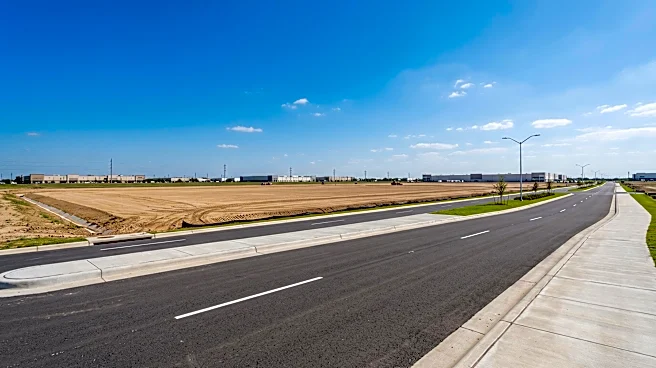
should manage data center development, protect residents, and plan for the future. The proposed development is located on privately owned property within Westlake's boundaries, along Highway 377, in an established commercial and transportation corridor. A legal dispute involving the City of Keller and a homeowners association, which named Westlake in the litigation, has been resolved through a settlement funded by the project's developer, PowerHouse, at no cost to Westlake taxpayers. Mayor Greaves emphasized that Westlake maintained its applicable laws and procedures throughout the process, and the settlement did not alter the proposed development agreement or Westlake's zoning decisions.
Why It's Important?
Mayor Greaves' message highlights a critical issue facing many U.S. communities: balancing economic development with local quality of life and environmental concerns. The demand for digital infrastructure, such as data centers, is growing rapidly, driven by healthcare, financial services, AI, and other industries. While these developments offer significant economic benefits, including substantial tax revenue for Westlake (projected at $5 million annually initially), they also raise concerns about noise, water consumption, and electrical infrastructure. This situation underscores the importance of strong local oversight and the need for developers to be good corporate neighbors. The resolution of the legal dispute without cost to Westlake taxpayers and without altering the development agreement demonstrates the town's commitment to its standards and the effectiveness of its engagement with developers to secure protections for residents and resources.
What's Next?
The Westlake Town Council still needs to consider the final development agreement for the Westlake Technology Campus on its merits, as the settlement did not predetermine the Council's vote. This indicates that further discussions and decisions will be made regarding the project's specifics. Mayor Greaves' message suggests that Westlake will continue to prioritize responsible development, strong local oversight, and the protection of community interests. The town will likely continue to engage with the developer, PowerHouse, to ensure commitments regarding noise limits, water conservation (including replenishing 100% of annual water use), and electrical infrastructure are met. This process will serve as a model for how other Texas communities, and potentially those nationwide, can manage similar large-scale infrastructure projects while safeguarding local interests.
Beyond the Headlines
The Westlake data center debate illuminates broader implications for urban planning and governance in the U.S. The tension between economic opportunity and community protection is a recurring theme, particularly as technology-driven industries seek to expand. Mayor Greaves' emphasis on 'responsible state oversight, strong local leadership, and development partners willing to make meaningful commitments' points to a collaborative model for managing growth. This situation also highlights the increasing role of data centers as essential infrastructure, akin to traditional utilities, and the need for robust regulatory frameworks at both state and local levels. The successful resolution of the legal dispute, with the developer bearing the costs, sets a precedent for corporate accountability and the protection of taxpayer interests in large-scale development projects, fostering a more equitable approach to urban expansion.