




What's Happening?
John Held Jr., a prominent Jazz Age artist known for his satirical drawings of flappers and college youth, shifted his artistic focus during the Great Depression. After the 1929 stock market crash, which led to personal financial losses and a nervous
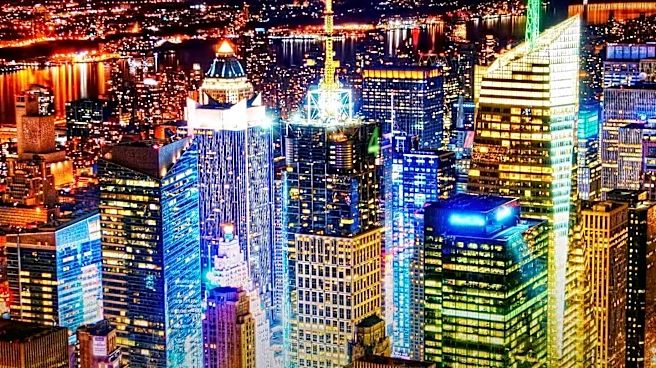
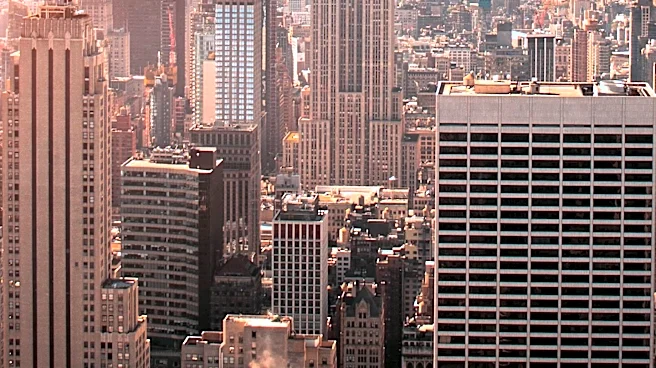
breakdown, Held's lucrative commissions for magazine covers and periodicals dried up. He then pursued his original ambition of fine arts, becoming a watercolor painter. During the 1930s, Held created a series of watercolors depicting New York City's skyscrapers as luminous and magical, bathed in the lavender, pink, and bluish-white hues of dawn and dusk. These works marked a significant departure from his earlier, more energetic and angular depictions of people, instead focusing on the architectural grandeur of the city without human figures.
Why It's Important?
John Held Jr.'s artistic evolution during the Depression era offers a unique perspective on how artists responded to profound societal and economic shifts in the U.S. His transition from satirical illustrations of a carefree Jazz Age to serene, almost ethereal watercolors of New York's urban landscape reflects a broader cultural adjustment to hardship. These paintings provided a sense of wonder and beauty during a period of widespread despair, offering a visual escape or a different way to perceive the city's monumental structures. For art historians and cultural observers, Held's later work highlights the resilience of artistic expression and its capacity to find beauty and meaning even in challenging times, contributing to the visual narrative of the Depression era.
What's Next?
While John Held Jr. passed away in 1958, his Depression-era watercolors continue to be studied and appreciated for their unique contribution to American art. Exhibitions and scholarly analyses of his work may continue to bring these less-known pieces to wider public attention, offering new insights into the artistic responses to the Great Depression. Art institutions and collectors will likely continue to preserve and showcase these works, ensuring their place in the historical record of American art. The contrast between his Jazz Age illustrations and his later watercolors provides a rich area for discussion on artistic development and the influence of historical events on creative output.
Beyond the Headlines
John Held Jr.'s story delves into the deeper implications of economic downturns on creative individuals and the role of art in society. His personal struggles and subsequent artistic transformation underscore how crises can force artists to re-evaluate their themes and styles, leading to profound and unexpected creative shifts. The choice to depict New York's skyscrapers as luminous and magical during the Depression suggests a search for hope and enduring beauty amidst urban decay and economic collapse. This artistic response can be seen as a form of cultural resilience, where art serves not just as a reflection of reality but also as a means of transcending it, offering solace and inspiration. His work invites contemplation on how art can shape perceptions of a city and its inhabitants during times of both prosperity and adversity.