






What's Happening?
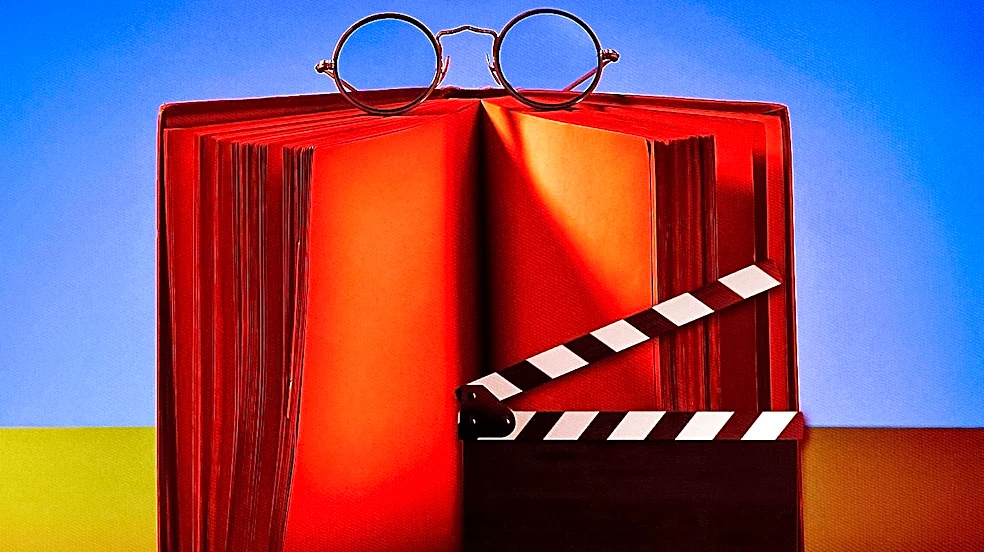
Classic literary works frequently found on high school reading syllabi are currently experiencing a significant resurgence in Hollywood. Adaptations of these timeless books, such as 'The Odyssey' and 'East of Eden,' are being brought to the screen in various
film and television projects. This trend indicates a renewed interest in foundational literature within the entertainment industry, suggesting that stories with established narratives and character development are finding new life and audiences through modern media. The phenomenon highlights a cyclical nature in content creation, where proven narratives are reinterpreted for contemporary viewers, often leveraging the recognition and inherent depth of these literary classics. This movement is transforming how these stories are consumed, moving them from academic settings into mainstream popular culture.
Why It's Important?
The renewed focus on classic literature in Hollywood has several important implications. For the education sector, it could potentially spark greater interest among students in reading these books, as they see their stories adapted into popular visual media. This could bridge a gap between traditional academic curricula and contemporary entertainment preferences. Economically, this trend provides a rich source of intellectual property for studios, reducing the risk associated with entirely new concepts by utilizing narratives with established cultural resonance. It also creates opportunities for screenwriters, directors, and actors to engage with complex, well-developed characters and plots. Furthermore, it allows for a re-evaluation and re-interpretation of these stories through a modern lens, potentially introducing new perspectives and discussions around themes that have endured for generations. This cultural phenomenon underscores the lasting power and relevance of classic literature in shaping contemporary narratives and influencing public discourse.
What's Next?
This trend is likely to continue, with more classic literary works being adapted for film and television. We can anticipate a steady stream of announcements regarding new projects based on beloved novels and plays. This could lead to a diversification of content available on streaming platforms and in cinemas, moving beyond purely original concepts or franchise extensions. Educational institutions might also leverage this trend by incorporating these adaptations into their teaching, using them as a gateway to encourage students to read the original texts. Furthermore, the success of these adaptations could inspire a new generation of writers and filmmakers to explore the vast catalog of classic literature for future projects, ensuring that these stories remain relevant and accessible to evolving audiences. The critical and commercial reception of current adaptations will heavily influence the pace and scope of future endeavors in this space.
Beyond the Headlines
Beyond the immediate impact, this Hollywood trend reflects a deeper cultural yearning for narratives that offer substance, historical context, and universal themes. In an era of rapid content consumption, the enduring quality of classic literature provides a stable foundation for storytelling that resonates across generations. It also raises questions about the fidelity of adaptations to their source material and how modern interpretations might alter or enhance the original messages. This phenomenon could also influence publishing, potentially leading to renewed interest in the original books and even new annotated editions or critical analyses. The ethical dimension involves how these adaptations handle potentially outdated or controversial elements within the original texts, balancing historical accuracy with contemporary sensibilities. Ultimately, this trend highlights the continuous dialogue between past and present, demonstrating how foundational stories continue to shape and reflect our understanding of the human experience.