






What's Happening?
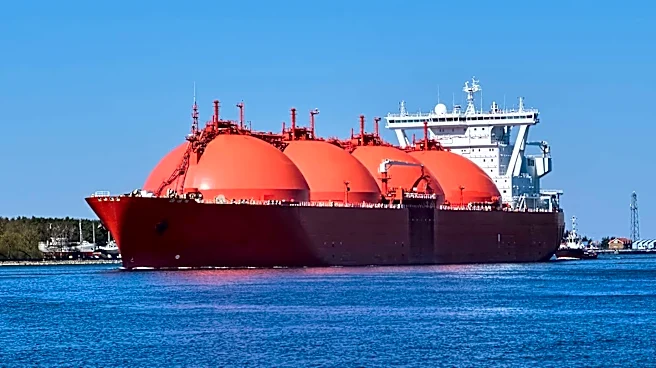
Alaska Governor Mike Dunleavy's proposed bill to advance the Alaska LNG megaproject is facing significant opposition from legislative leaders and business groups. The bill, introduced during a special legislative session, includes a multibillion-dollar
property tax cut and a compromise on corporate income tax expansion. However, Senate President Gary Stevens and other legislative leaders have expressed doubts about the bill's viability, citing insufficient time to evaluate its impacts. Major business groups have also criticized the proposal, particularly the corporate income tax expansion, which they argue could negatively affect the project's commercial viability.
Why It's Important?
The fate of the Alaska LNG bill is crucial for the state's economic future, as the project promises to deliver long-stranded North Slope natural gas to Alaskans and Asian markets. If successful, the project could provide significant economic benefits, including job creation and increased state revenue. However, the legislative impasse and business opposition highlight the challenges of balancing economic development with fiscal responsibility. The outcome of this legislative effort could influence investor confidence and the state's ability to attract future infrastructure projects.
What's Next?
With the special legislative session nearing its end, the likelihood of passing the bill appears slim. Governor Dunleavy may need to revisit the proposal in future legislative sessions or seek alternative strategies to advance the project. The ongoing debate over the bill's provisions, particularly the corporate income tax, suggests that further negotiations and compromises may be necessary. Stakeholders, including lawmakers, business leaders, and community groups, will continue to engage in discussions to find a viable path forward for the Alaska LNG project.