




What's Happening?
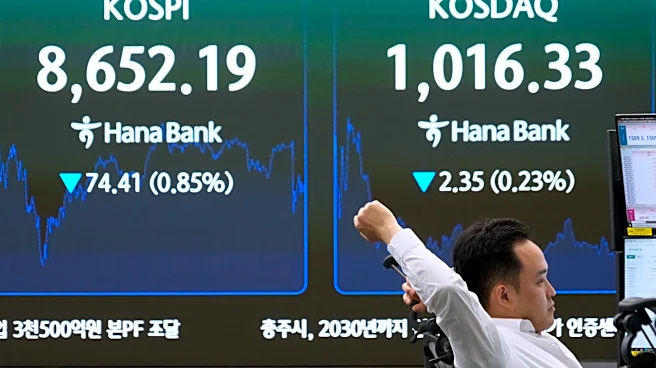
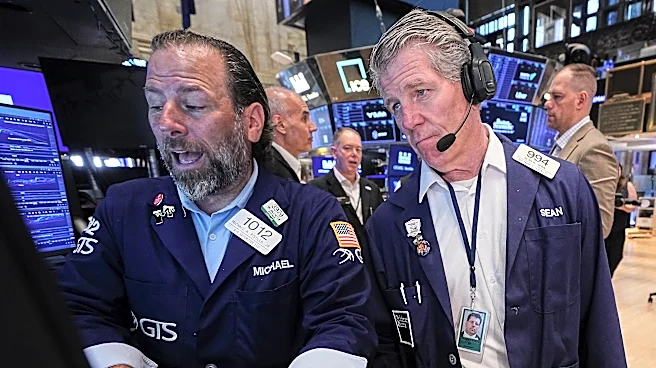
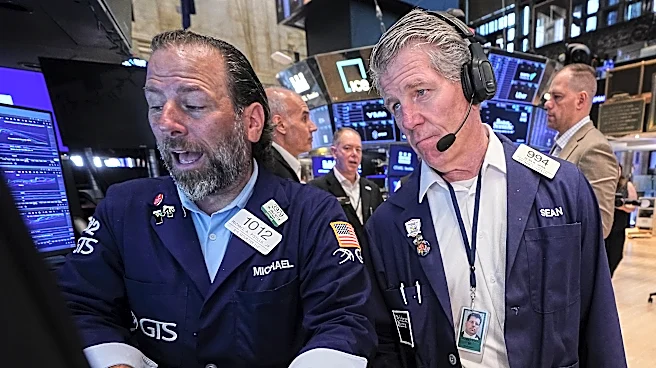
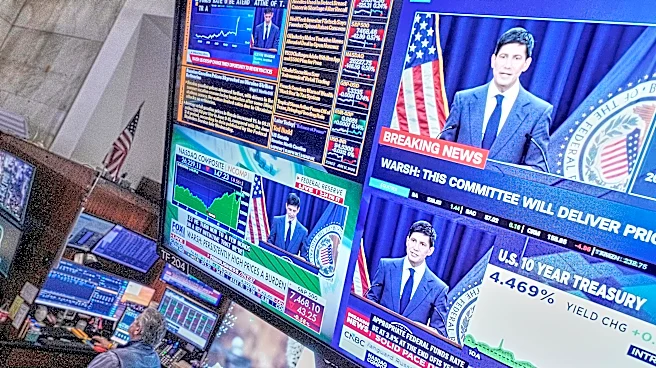
Wall Street experienced fluctuations this week as the Federal Reserve's hawkish stance and developments in U.S.-Iran relations influenced market dynamics. The S&P 500 and Nasdaq saw gains despite initial losses due to concerns over potential interest
rate hikes. The Federal Reserve, under new Chairman Kevin Warsh, signaled a possible rate increase to combat inflation, causing a mid-week selloff. However, the market rebounded as investors reacted positively to a memorandum of understanding between the U.S. and Iran, which extended their ceasefire and opened the Strait of Hormuz, leading to a drop in oil prices. This geopolitical development, along with strong performances from chipmakers like Intel, Nvidia, and Broadcom, supported the market's recovery.
Why It's Important?
The Federal Reserve's indication of potential interest rate hikes underscores its commitment to controlling inflation, which has significant implications for the U.S. economy. Higher interest rates could increase borrowing costs, affecting consumer spending and business investments. The U.S.-Iran ceasefire and the opening of the Strait of Hormuz are crucial for global oil supply, as they help stabilize oil prices, reducing inflationary pressures. The positive performance of chipmakers highlights the sector's resilience and its critical role in the tech-driven economy. These developments collectively influence investor sentiment and market stability, impacting economic stakeholders across various sectors.
What's Next?
Investors will closely monitor the Federal Reserve's future policy decisions, particularly regarding interest rates, as these will shape economic conditions. The U.S.-Iran ceasefire agreement provides a 60-day window for a final peace deal, and any progress or setbacks in these negotiations could further impact oil prices and market dynamics. Additionally, the performance of the tech sector, especially chipmakers, will continue to be a focal point for investors, given its influence on broader market trends. Stakeholders will also watch for any shifts in geopolitical tensions that could affect global trade and economic stability.