




What's Happening?
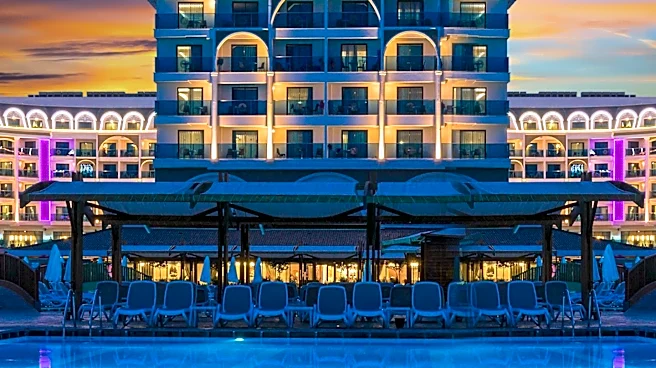
Encore Boston Harbor, seven years after its grand opening, has not fully realized its initial vision of becoming a world-class luxury destination. Despite promises from owner Wynn Resorts to transform a contaminated industrial waterfront in Everett into
a hub for international travelers, the casino has largely evolved into a regional attraction. While it has delivered on some commitments, such as environmental cleanup, generating tax revenue, and creating union jobs, it has struggled to draw the high-end clientele it initially targeted. Revenue has remained stable, but profitability has declined, with adjusted operating profit falling from approximately $62-63 million per quarter two years ago to $50.5 million in the first quarter of this year, before a slight rebound to $56.1 million in the second quarter. This represents the largest profit decline among all Wynn properties in the second quarter. The casino faces competition from other regional gaming establishments and lacks certain amenities found in larger destinations like Las Vegas, such as golf courses, large entertainment venues, or extensive shopping malls.
Why It's Important?
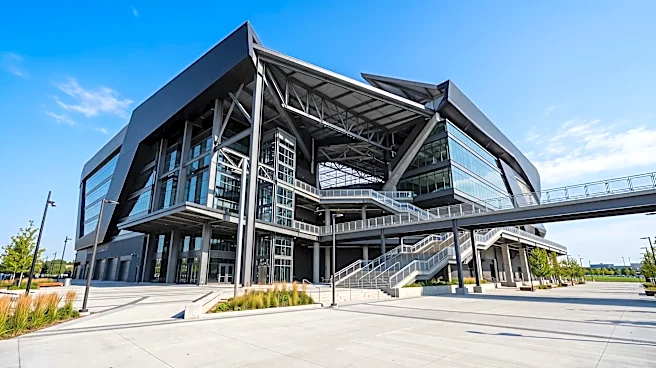
The transformation of Encore Boston Harbor into a regional casino rather than an international luxury destination has significant implications for the local economy and the broader U.S. gaming industry. For Everett, Massachusetts, the casino has brought substantial community payments and spurred some development, including a proposed soccer stadium. However, the surrounding area largely remains industrial, indicating that the promised broader transformation is still a work in progress. For Wynn Resorts, the shift in clientele means adapting its business model to cater more to local and regional visitors, which may impact future investment strategies and marketing efforts. The decline in profitability, despite stable revenue, highlights the competitive pressures within the U.S. casino market, especially outside major gaming hubs. This situation underscores the challenges of establishing new luxury destinations in areas with existing, well-established regional competitors and the evolving preferences of casino patrons who increasingly seek diverse entertainment options beyond just gambling.
What's Next?
Encore Boston Harbor is expected to continue its evolution into a more comprehensive Boston-area entertainment resort, moving beyond its current model of 'just casino plus restaurants plus hotel.' This may involve further adjustments to its offerings to attract a broader regional audience, potentially by adding more non-gambling amenities or diversifying its entertainment options within the constraints of state law. The ongoing development in Everett, including other projects and the proposed New England Revolution soccer stadium, could also influence Encore's future positioning. The company will likely focus on navigating the competitive landscape, which includes long-established tribal casinos in Connecticut, new casinos in New Hampshire and Rhode Island, and the growing sports betting market. Wynn Resorts has stated its commitment to delivering a five-star guest experience, investing in employees and property, and creating long-term value, suggesting a continued effort to adapt to market realities and local demands.
Beyond the Headlines
The experience of Encore Boston Harbor reflects a broader trend in the U.S. gaming and hospitality industry: the challenge of creating truly unique, high-end destinations in a saturated market. The initial ambition to attract an international, high-roller clientele often clashes with the reality of regional demographics and competitive offerings. This situation raises questions about the long-term viability of large-scale, luxury-focused casino resorts in non-traditional gaming markets. It also highlights the tension between the aspirational image projected by developers and the practical financial realities of operating such establishments. The shift towards a regional focus suggests a recalibration of expectations, emphasizing local engagement and a broader appeal to middle-class patrons seeking an 'upper-class experience.' This could lead to a re-evaluation of urban planning and economic development strategies that rely heavily on single, large-scale projects to transform entire areas, underscoring the need for diversified and integrated development approaches.