



What's Happening?
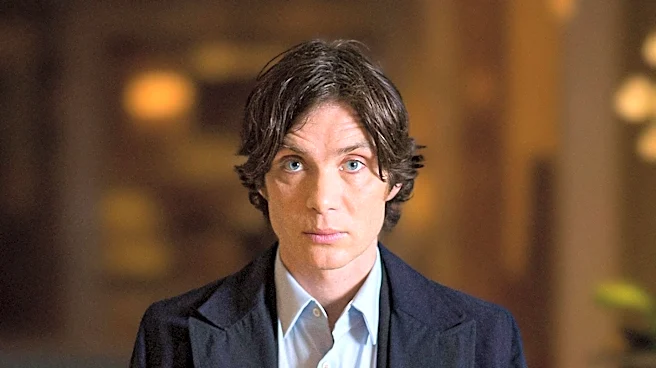
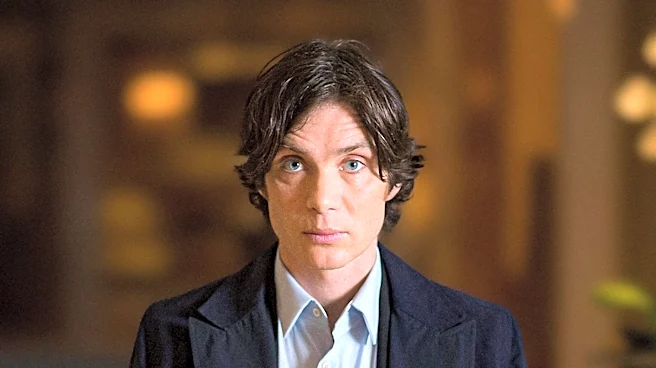
The film '28 Days Later,' starring Cillian Murphy, has resurfaced in discussions as audiences draw parallels between its post-apocalyptic themes and the real-world experiences during the COVID-19 pandemic. Released in 2002, the movie depicts a world ravaged
by a virus that turns humans into violent creatures. The film's narrative, which includes scenes of deserted urban landscapes and societal collapse, resonates with the early days of the pandemic. The movie's portrayal of a virus-induced apocalypse has been credited with revitalizing the zombie genre, influencing subsequent films and series. The film's themes of societal breakdown and the fear of contagion have gained renewed relevance, prompting a re-evaluation of its impact on horror cinema.
Why It's Important?
The resurgence of interest in '28 Days Later' highlights the enduring impact of media on public perception and cultural narratives. The film's themes of contagion and societal collapse mirror real-world anxieties experienced during the COVID-19 pandemic, illustrating how fiction can reflect and influence societal fears. This renewed attention underscores the role of cinema in shaping and responding to cultural and historical contexts. The film's influence on the zombie genre and its reflection of post-9/11 paranoia demonstrate the power of storytelling in addressing contemporary issues and fears, making it a significant cultural artifact in understanding societal responses to crises.