





What's Happening?
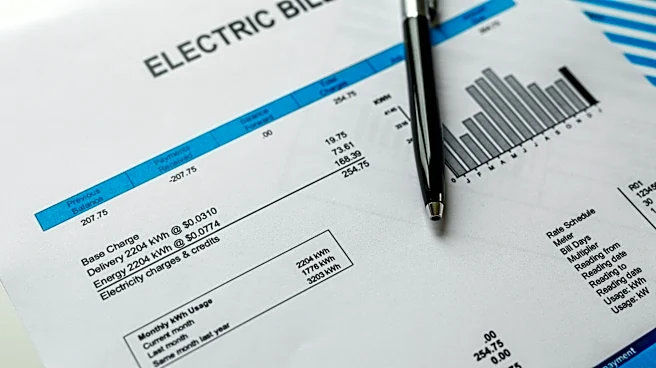
With summer utility bills projected to average $800 for American households, experts are advising consumers to proactively contact their utility companies for assistance. Many customers are unaware of the various payment arrangements, affordability programs,
rebates, and energy-saving resources available. Leland Gohl, a marketing executive at PowerMarket, emphasizes the importance of calling before an account becomes delinquent, as utilities prefer to work with customers early. Christine Ciavardini, client relationship manager at MD Energy Advisors, also highlights the availability of free energy-efficiency programs, rebates, and home energy audits that can identify issues driving up costs and potentially reduce bills by 10% to 20%.
Why It's Important?
This advice is crucial for households struggling with rising costs, as a single phone call can unlock significant financial relief and long-term savings. Many consumers assume utility bills are non-negotiable, missing out on opportunities to manage their expenses more effectively. By engaging with utility providers, customers can access payment plans, budget billing, low-income assistance, and energy-efficiency incentives that can prevent service disruptions and reduce future energy consumption. This proactive approach empowers consumers to take control of their utility costs, alleviating financial stress and improving household budgeting, especially during periods of high energy usage like summer and winter.
What's Next?
Consumers are encouraged to call their utility companies as soon as they anticipate difficulty paying a bill. Experts recommend starting the conversation by asking, 'Can you walk me through every program available to help lower my bill or manage payments?' This broad question ensures all potential options, beyond just payment plans, are discussed. A follow-up question, 'I'd like to understand all available options to lower my bill, both immediately and over time,' can lead to discussions about long-term solutions like energy audits and efficiency programs. Utility companies are expected to continue offering these programs and resources, and increased customer engagement could lead to greater awareness and utilization of available aid.
Beyond the Headlines
The emphasis on direct communication with utility companies highlights a broader issue of consumer awareness and access to support services. Many households may be struggling in silence, unaware that help is readily available. This situation underscores the need for utilities and consumer advocacy groups to enhance outreach efforts and simplify access to assistance programs. Furthermore, the availability of energy audits and efficiency programs points to the long-term benefits of investing in home energy improvements, which can reduce reliance on fluctuating energy prices and contribute to environmental sustainability. Empowering consumers with information and resources can foster greater energy literacy and resilience against economic pressures.