




What's Happening?
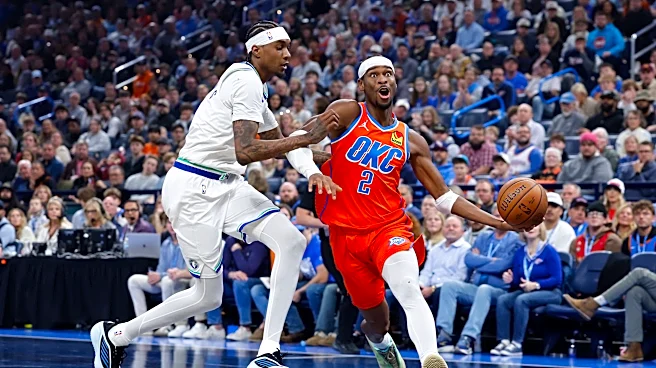
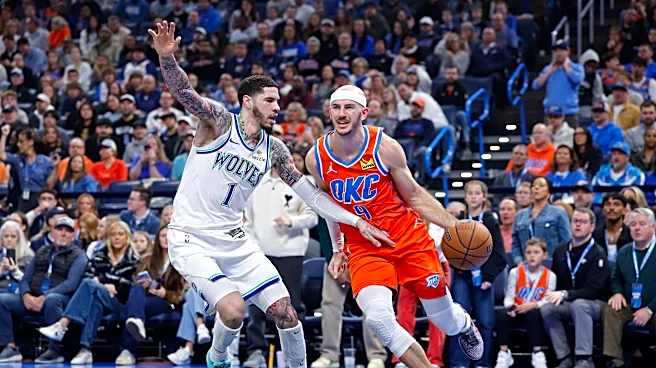
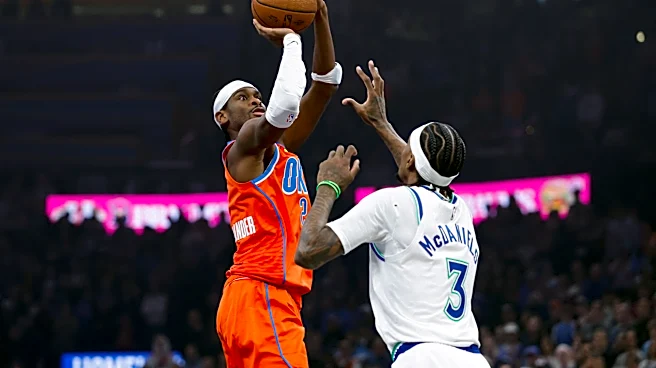
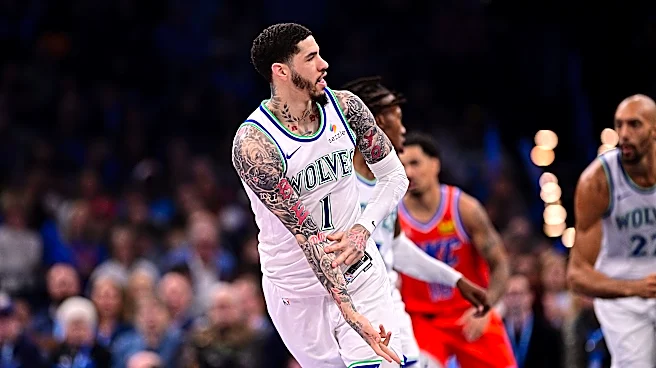
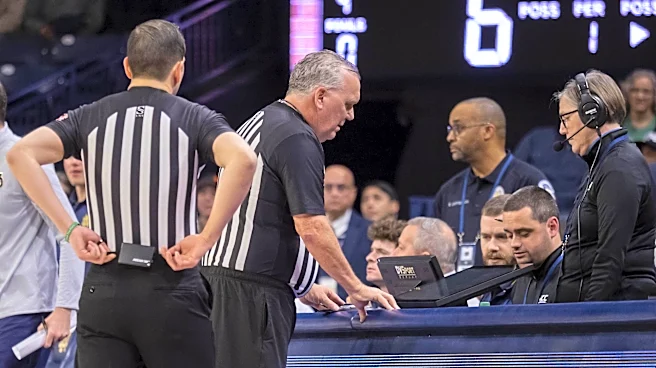
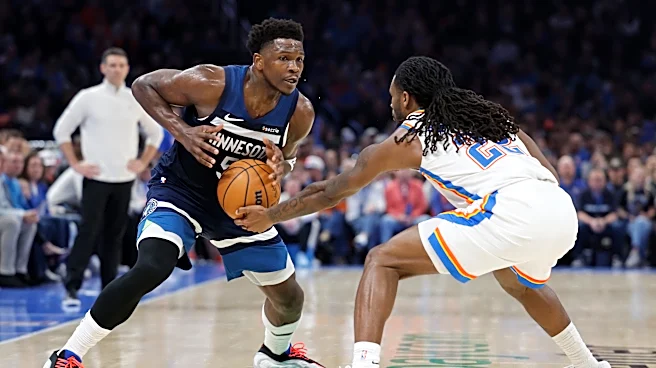
The NBA's Last Two Minute (L2M) Report for the game between the Minnesota Timberwolves and the Oklahoma City Thunder, which the Timberwolves won 113-106, has identified two incorrect non-calls that went against the Thunder. According to Clemente Almanza,
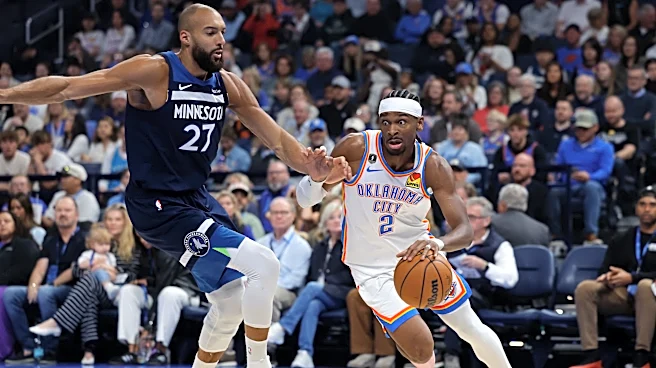
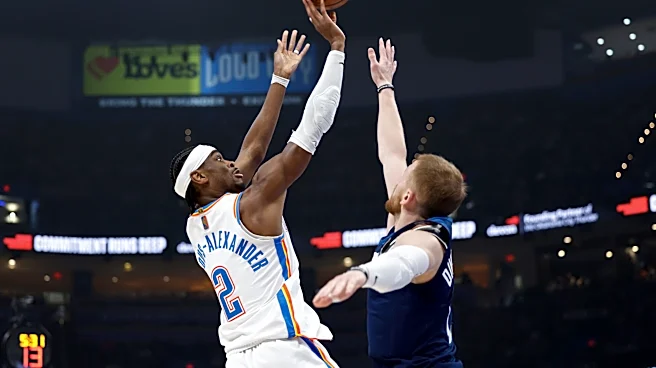
the report specifically noted that Rudy Gobert of the Timberwolves committed a 3-second violation that was not called by the officials. Additionally, Jaden McDaniels, also from the Timberwolves, was not called for a shooting foul on Shai Gilgeous-Alexander of the Thunder. Both instances were deemed incorrect non-calls, indicating that the officiating during the critical final minutes of the game had an impact on the flow and outcome.
Why It's Important?
The NBA's L2M Report is crucial for transparency and accountability in officiating, especially in close games where every call can influence the outcome. For the Oklahoma City Thunder, these missed calls represent lost opportunities that could have altered the game's trajectory, potentially impacting their standing in the league. For the Minnesota Timberwolves, while they secured the win, the report highlights instances where they benefited from officiating errors. This transparency is vital for maintaining the integrity of the sport and ensuring fair play. It also provides valuable feedback for officials to improve their performance and for teams to understand the nuances of game management, particularly in high-pressure situations. The report's findings can fuel discussions among fans, analysts, and teams about the consistency and accuracy of officiating in professional basketball.
What's Next?
While the L2M Report identifies officiating errors, it typically does not lead to changes in game outcomes or disciplinary actions against players for uncalled infractions. The primary purpose of the report is to provide transparency and serve as a tool for official development and accountability within the NBA. Moving forward, the league will likely use these findings to review officiating performance and potentially implement training adjustments for referees. For the affected teams, the report serves as a post-game analysis tool, allowing them to understand specific moments where calls were missed. Fans and media will continue to use these reports to scrutinize officiating, contributing to ongoing discussions about the quality of refereeing in the NBA.
Beyond the Headlines
The consistent release of L2M Reports by the NBA reflects a broader commitment to transparency in professional sports, a trend that is increasingly valued by fans and stakeholders. While these reports often highlight human error in officiating, they also underscore the immense pressure and split-second decision-making required of referees. The debate around officiating accuracy often extends to discussions about technological aids, such as expanded replay reviews, and their potential impact on game flow and fairness. The L2M Report, by pinpointing specific missed calls, can sometimes intensify fan frustration but also provides a factual basis for these discussions, moving them beyond mere speculation. This ongoing dialogue about officiating standards is critical for the evolution of the sport, ensuring that the competitive balance and integrity of the game are upheld in the eyes of its global audience.