







What's Happening?
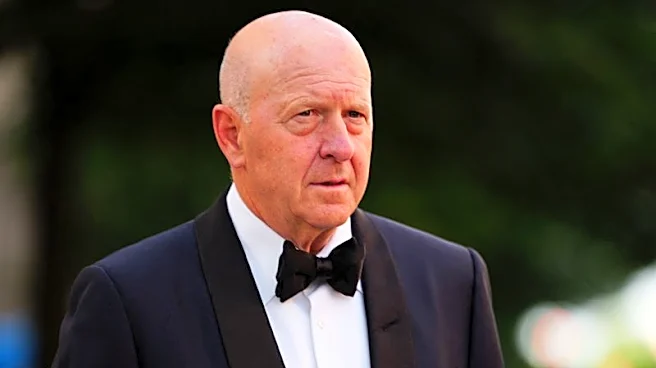
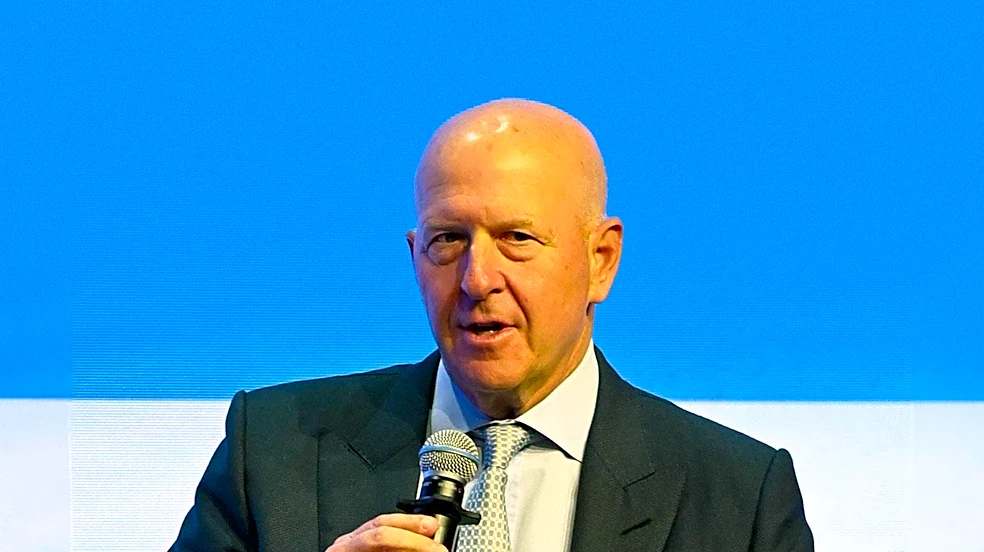
David Solomon, CEO of Goldman Sachs, has been named the next chair of The Business Council, an invitation-only organization comprising prominent corporate executives. Solomon will serve a two-year term, succeeding Brian Cornell, the Executive Chair of Target
Corporation, who has led the organization since 2024. The selection was made by a nominating committee composed of former chairs. The Business Council, founded in 1933 to advise the Roosevelt administration, distinguishes itself from groups like the Business Roundtable by not engaging in lobbying or taking stances on policy issues. Its executive committee includes notable figures such as Amazon's Jeff Bezos, Microsoft's Satya Nadella, Citadel's Ken Griffin, and AMD's Lisa Su. This appointment comes as businesses navigate significant challenges, including the rise of artificial intelligence, geopolitical tensions, and an uncertain global economy.
Why It's Important?
Solomon's leadership of The Business Council is significant due to his global perspective, extensive industry knowledge, and experience in guiding business leaders through complex challenges, as noted by his predecessor Brian Cornell. His work on AI at Goldman Sachs is expected to be particularly valuable as the Council's members confront rapid technological change. The Business Council serves as a crucial forum for leading CEOs to connect, share insights, and collaborate on solutions to complex economic issues. His appointment highlights the increasing importance of technology and global economic understanding in corporate leadership. The Council's role as an advisory body, rather than a lobbying group, suggests a focus on strategic discussions and shared learning among top executives, which can indirectly influence broader business practices and economic resilience in the U.S.
What's Next?
David Solomon will commence his two-year term as chair of The Business Council, during which he is expected to leverage his expertise, particularly in artificial intelligence, to help members address current business challenges. The Council will continue to serve as a platform for top corporate executives to exchange ideas and collaborate on solutions for the evolving economic landscape, including navigating geopolitical tensions and economic uncertainties. While the Council does not lobby, its discussions and shared insights among influential leaders could shape future business strategies and private sector responses to national and global issues. Solomon's tenure will likely focus on fostering collaboration and strategic thinking among the 275 active members, potentially influencing how major U.S. corporations approach innovation, global markets, and economic stability.
Beyond the Headlines
Solomon's new role extends beyond a mere title change, reflecting a broader trend in corporate leadership where technological acumen, especially in AI, is becoming paramount. His appointment underscores the growing recognition that business leaders must not only manage their companies but also contribute to a collective understanding and response to systemic challenges. The Business Council's unique structure, which avoids direct lobbying, suggests a focus on intellectual leadership and strategic foresight rather than immediate policy influence. This could foster a more nuanced and long-term approach to economic and technological issues among the U.S.'s most powerful executives, potentially leading to more resilient and adaptable business practices across various sectors. The emphasis on AI and global tensions also highlights the interconnectedness of modern business with geopolitical and technological shifts.