







What's Happening?
The discussion revolves around general gut health and the role of diet and mindfulness in maintaining it. Probiotics are described as beneficial bacteria in the system, while prebiotics are identified as the food that sustains them, both being crucial
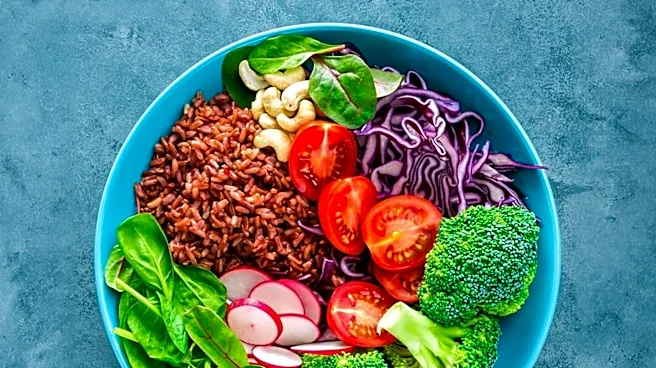
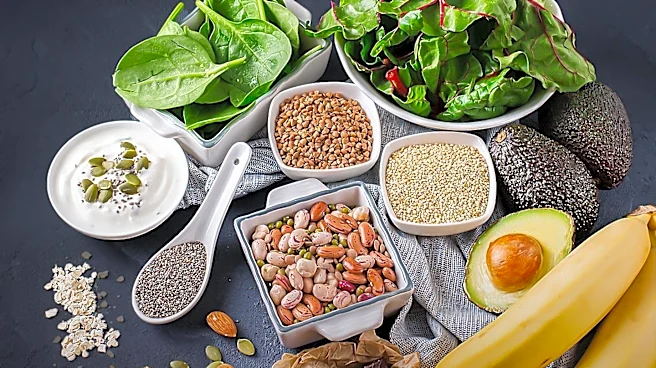
for a balanced microbiome. The importance of diet is highlighted, with an emphasis on incorporating leafy greens and whole foods to promote fiber intake and smooth digestion. Mindfulness is mentioned in the context of making small, mindful changes to one's menu to improve comfort. However, the provided sources do not offer specific information regarding the direct effects of mindfulness programming on the maternal microbiome. While the general benefits of mindfulness, such as stress reduction, are acknowledged, a direct link to the maternal microbiome is not established within the given content.
Why It's Important?
Understanding the distinction between prebiotics and probiotics is important for individuals seeking to improve their digestive health, as both play distinct yet complementary roles in maintaining a healthy gut microbiome. The emphasis on diet underscores the significant impact of food choices on overall well-being and digestion. For the U.S. population, this information can guide dietary decisions and supplement choices, potentially leading to improved digestive comfort and health. While the direct link to the maternal microbiome is not detailed, the general principles of gut health are broadly applicable. Promoting a balanced microbiome through diet and mindful eating can contribute to better health outcomes, potentially reducing the prevalence of digestive issues and supporting overall wellness across various demographics.
What's Next?
Individuals interested in improving their gut health are encouraged to listen to their bodies to determine the most suitable digestive supplements, whether broad-spectrum enzymes for heavy meals or daily probiotics for ongoing maintenance. The ongoing journey of supporting digestion involves finding what makes one feel best. Further research or information would be needed to specifically address the effects of mindfulness programming on the maternal microbiome, as the current sources do not provide this direct link. Consumers may continue to explore various gut health supplements and dietary adjustments based on their personal wellness goals and how their bodies respond to different approaches.
Beyond the Headlines
The broader implications of this information touch upon the growing awareness of the gut-brain axis and the interconnectedness of physical and mental well-being. While the sources do not explicitly detail the maternal microbiome, the general principles of gut health are foundational. A healthy maternal microbiome is increasingly recognized as crucial for both maternal and infant health, influencing everything from immune system development to long-term disease risk. The mention of mindfulness, even in a general dietary context, hints at the potential for stress reduction techniques to indirectly support gut health, as stress is known to impact the microbiome. Future research may explore how mindfulness-based interventions could directly influence the maternal microbiome, offering non-pharmacological approaches to improve health outcomes during pregnancy and early childhood.