

What's Happening?
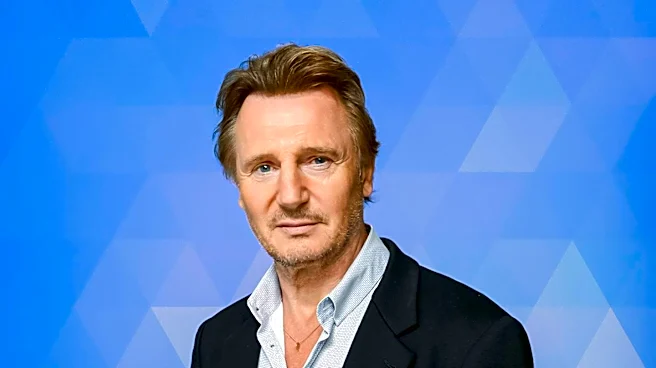
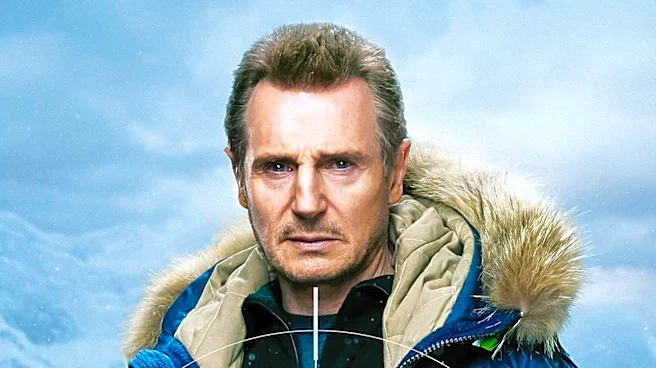
Liam Neeson's portrayal of Ra's al Ghul in 'Batman Begins' is part of a larger discussion regarding cultural appropriation within superhero narratives. In the film, Batman receives crucial martial arts training from the League of Shadows, led by Ra's al Ghul,
a character initially portrayed by Ken Watanabe before Neeson's reveal as the 'true' Ra's al Ghul. Critics argue that this narrative, where a white Western protagonist masters foreign traditions and surpasses his Asian teachers, exemplifies the 'white savior' trope. This pattern is observed across various superhero characters in both DC and Marvel comics, including Richard Dragon, Iron Fist, Doctor Strange, Wolverine, Daredevil, and Psylocke. These characters often travel to the 'East' for character development, learning from Asian mentors who are subsequently sidelined or reduced to stepping stones for the white hero's journey. The issue extends to casting choices, such as Tilda Swinton as the Ancient One in 'Doctor Strange' and Finn Jones as Iron Fist, which have drawn significant backlash.
Why It's Important?
The ongoing critique of cultural appropriation in superhero films and comics highlights significant concerns about representation and narrative fairness in popular media. When white characters consistently master and claim the highest honors of traditions originating from non-Western cultures, it can perpetuate stereotypes, diminish the contributions of those cultures, and reinforce a 'white savior' complex. This impacts how diverse audiences see themselves reflected in media and can subtly influence broader societal perceptions of cultural ownership and superiority. For the entertainment industry, these criticisms underscore the need for more thoughtful and inclusive storytelling, prompting creators to re-evaluate character origins, casting decisions, and narrative arcs to avoid perpetuating harmful tropes. The backlash and subsequent adjustments, such as Iron Fist's animated appearance as an Asian character and the increased prominence of characters like Wong, indicate a growing industry awareness and a push towards more equitable representation.
Beyond the Headlines
The debate surrounding cultural appropriation in superhero narratives extends beyond individual character portrayals to broader questions about the ethics of storytelling and the responsibility of media creators. It challenges the industry to move beyond superficial diversity and engage in deeper cultural understanding and respect. The 'white savior' trope, in particular, can have long-term implications by subtly reinforcing colonialist ideas about who is capable of heroism and who needs saving. This discussion also highlights the power of fan communities and academic discourse in holding major media franchises accountable for their cultural impact. As global audiences become more diverse and vocal, the pressure on studios to produce content that is not only entertaining but also culturally sensitive and representative will continue to grow, potentially leading to more authentic and diverse narratives in the future of superhero media.