




What's Happening?
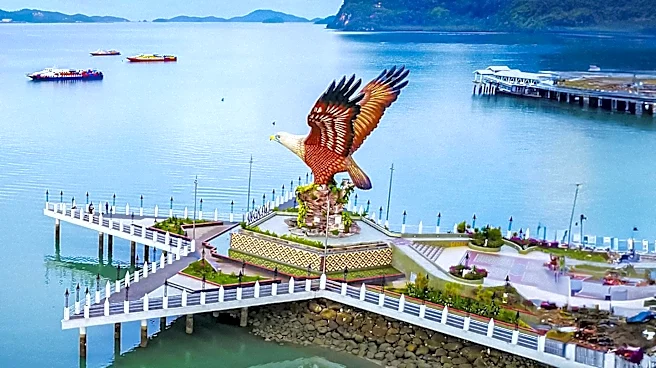
Langkawi, known as 'The Jewel of Kedah,' is a prominent tropical island destination in Southeast Asia, celebrated for its diverse offerings. The island features pristine beaches, clear waters, lush rainforests, and unique geological formations. It caters
to a wide range of travelers, including those seeking romantic getaways, family vacations, or solo adventures. Key attractions include the SkyCab Cable Car, which provides panoramic views from Mount Machinchang, and the Kilim Karst Geoforest Park, a UNESCO Global Geopark with ancient limestone formations and mangrove forests. Visitors can also explore surrounding islands like Pulau Dayang Bunting, known for its freshwater lake, and Pulau Payar Marine Park for snorkeling and diving. The island is also a duty-free zone, making it a popular spot for shopping for chocolates, kitchenware, and alcohol. Dining options range from casual beachside eateries to upscale restaurants, with Pantai Cenang being a popular area for fresh seafood.
Why It's Important?
Langkawi's appeal as a multifaceted tourist destination contributes significantly to the regional tourism economy. Its blend of natural beauty, adventure activities, and duty-free shopping attracts a broad international audience, supporting local businesses, hospitality services, and employment. The preservation of its natural wonders, such as the Kilim Karst Geoforest Park, highlights the importance of sustainable tourism practices in maintaining ecological balance while promoting economic growth. The island's ability to cater to various traveler preferences, from relaxation to adventure, ensures a steady influx of visitors, which is crucial for the sustained development of its tourism infrastructure and related industries. The duty-free status also provides an economic advantage, drawing shoppers and further boosting local commerce.
What's Next?
Langkawi is expected to continue its growth as a premier tourist destination, with ongoing efforts to enhance visitor experiences and infrastructure. Future developments may focus on expanding eco-tourism initiatives, further promoting its UNESCO Geopark status, and diversifying adventure sports offerings to attract a wider demographic. The island's tourism sector will likely continue to adapt to global travel trends, potentially incorporating more sustainable practices and digital integration for visitor services. Continued promotion of its unique cultural and historical landmarks, alongside its natural attractions, will be key to maintaining its competitive edge in the Southeast Asian tourism market. The local government and tourism bodies will likely focus on strategic marketing campaigns to attract new visitor segments and encourage repeat visits.
Beyond the Headlines
Beyond its immediate economic impact, Langkawi represents a successful model of balancing tourism development with environmental conservation. Its designation as a UNESCO Global Geopark underscores a commitment to preserving its geological heritage and biodiversity, setting a precedent for other developing tourist destinations. The island's cultural narratives, such as the legend of Mahsuri, add a rich layer to the visitor experience, connecting tourism with local history and folklore. This integration of natural, cultural, and economic elements creates a holistic destination that offers more than just leisure; it provides an educational and immersive experience. The ongoing challenge will be to manage increasing tourist numbers while safeguarding the delicate ecosystems and cultural authenticity that make Langkawi unique.