


What's Happening?
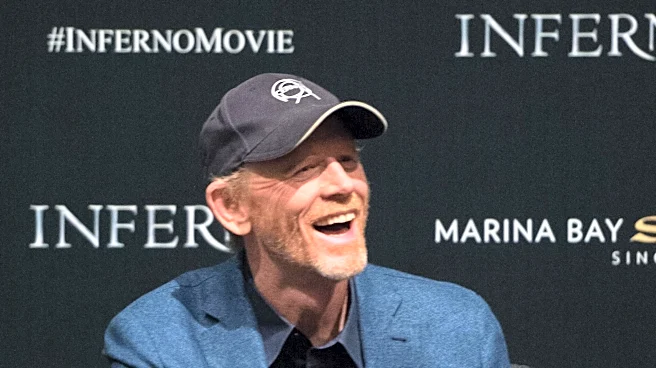
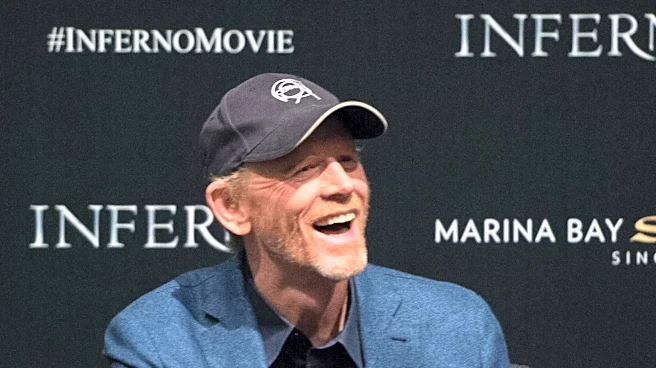
Ron Howard's new Netflix documentary, 'Avedon,' which chronicles the life and work of influential photographer Richard Avedon, is drawing attention for its portrayal of the artist. While the film features extensive archival footage, interviews with models,
photographers, editors, friends, and family members, offering insights into Avedon's personality and working methods, critics note a significant omission. The documentary largely avoids the more complex and 'knottier aspects' of Avedon's personal life, such as his 'tortured bisexuality' and 'two unhappy marriages.' Reviewers suggest that the film's approach to Avedon's personal struggles is 'cagy,' focusing instead on his professional achievements and artistic control. This selective narrative choice has led to discussions about whether the documentary provides a complete and unvarnished portrait of the legendary photographer.
Why It's Important?
This documentary's reception highlights a recurring challenge in biographical filmmaking: balancing an artist's public persona and professional legacy with their private life and personal struggles. For audiences, particularly those interested in the history of photography and fashion, the film offers a curated look at Avedon's impact, but it also raises questions about the completeness of the narrative. The decision to 'largely skim over' sensitive personal details could be seen as an attempt to maintain a certain image or focus solely on artistic contributions, potentially influencing public perception of Avedon. This approach can shape how future generations understand historical figures, emphasizing their work while downplaying or omitting aspects of their humanity that might be considered less flattering or more controversial. The critical response underscores the importance of comprehensive storytelling in biographical works.
What's Next?
The release of 'Avedon' on Netflix will likely continue to fuel discussions among film critics, photography enthusiasts, and the general public regarding the ethics and choices involved in documentary filmmaking. Viewers may seek out additional resources or biographies to gain a more complete understanding of Richard Avedon's life, particularly the aspects that the documentary chose to minimize. The film's critical reception could also influence future biographical projects, prompting filmmakers to consider more deeply how they address the personal lives of their subjects, especially when those lives contain elements that are complex or controversial. The ongoing conversation will contribute to the broader discourse on how historical figures are remembered and presented in media.
Beyond the Headlines
The critical reception of Ron Howard's 'Avedon' documentary touches upon deeper implications concerning the construction of public narratives around influential figures. By selectively presenting Avedon's life, the film inadvertently participates in the ongoing process of myth-making that often surrounds celebrated artists. This raises ethical questions about the responsibility of biographers and documentarians to present a holistic view, even when it involves uncomfortable truths. The film's focus on Avedon's 'utter control' in his photography, contrasted with its 'cagy' treatment of his personal life, suggests a parallel between the artist's own curated public image and the documentary's narrative choices. This dynamic highlights how art and personal life are often intertwined, and how attempts to separate them can lead to an incomplete understanding of an individual's creative output and legacy.