


What's Happening?
Automakers are entering a 'decluttering' era, simplifying their vehicle lineups to reduce costs and compete with lower-cost Chinese rivals. Companies are cutting overlapping models, building vehicles with fewer parts, and sharing technology and production
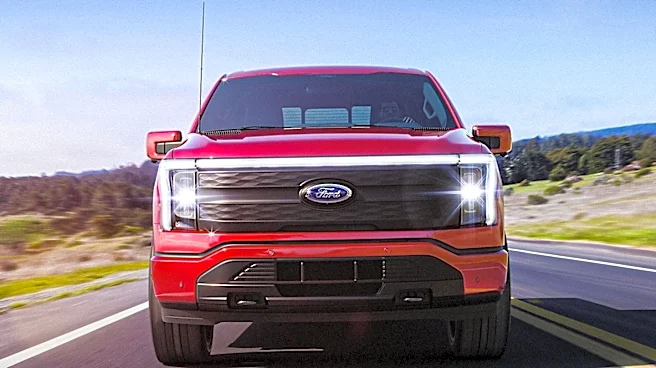
costs with partners. This strategy aims to lower expenses as legacy car companies face EV-related losses and tariffs. Volkswagen plans to reduce its global model lineup by up to 50% by 2030, while Toyota's CEO has raised concerns about manufacturing complexity. Automakers like Ford are discontinuing certain models to streamline production and focus on more profitable vehicles.
Why It's Important?
The move towards simplifying vehicle lineups is significant as it addresses the competitive pressure from Chinese automakers, who can often produce vehicles more cheaply. By reducing complexity, automakers aim to lower production costs, which is crucial as they invest heavily in electric vehicles and navigate economic challenges. This strategy could lead to more affordable vehicles for consumers, potentially increasing market competitiveness. However, there is a risk that simplifying lineups could result in less diverse offerings, impacting consumer choice.
What's Next?
As automakers continue to streamline their lineups, the industry may see further consolidation of models and increased collaboration among companies to share technology and production costs. This could lead to more standardized vehicle platforms, allowing for greater efficiency in manufacturing. Consumers might benefit from lower vehicle prices, but they may also face fewer options in terms of model variety. The industry's focus on cost reduction and efficiency will likely continue as companies strive to remain competitive in the evolving automotive market.