
What's Happening?
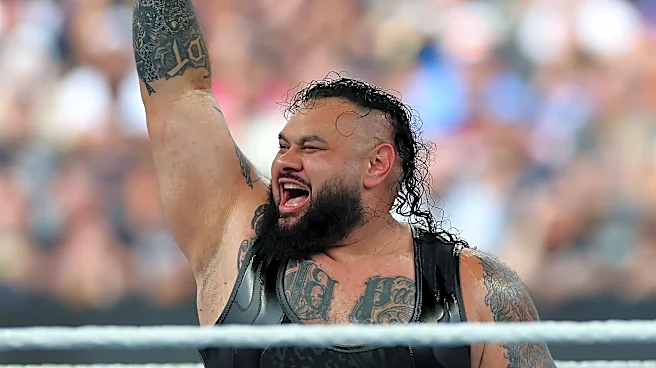
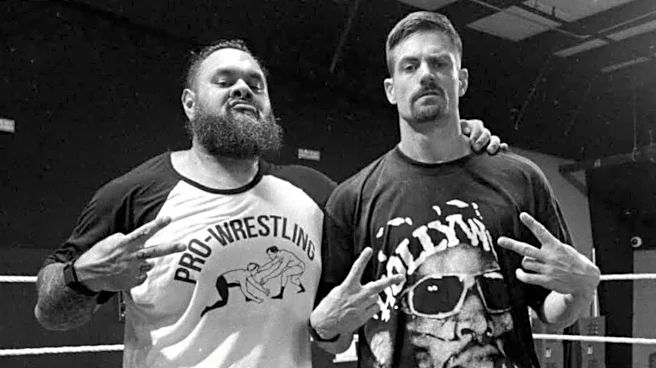
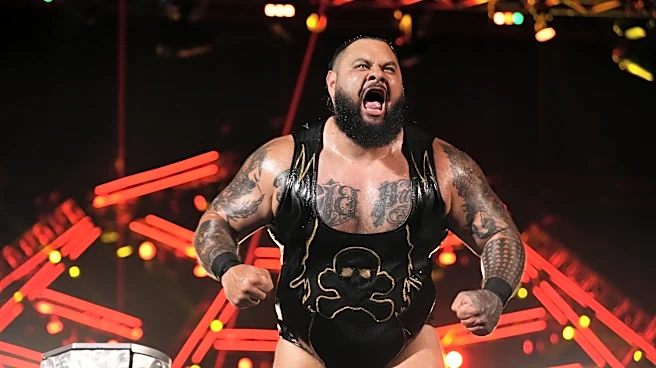
WWE announced on Friday that veteran wrestler Bronson Reed, whose real name was Jermaine Haley, has died at the age of 38 due to "medical complications." This announcement follows reports from two weeks
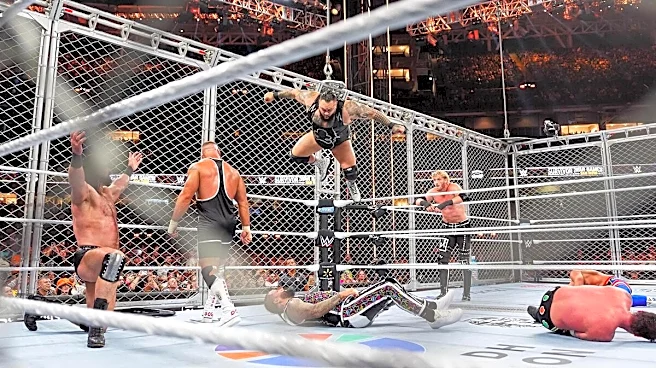
prior by Bryan Alvarez of Wrestling Observer Live, who stated that Reed suffered broken ribs and a lacerated kidney at the Crown Jewel premium live event in Saudi Arabia on November 7. Fightful's Sean Ross Sapp was the first to report Reed's injury, which necessitated his stay in Saudi Arabia while other WWE personnel returned to the United States. Reed was reportedly accompanied by a "top international executive and a member of [WWE's] medical team." Although Reed did not compete in a match at Crown Jewel, he interfered in a World Tag Team Championship bout, leading to a brawl where he was thrown off the stage and through tables. Dave Meltzer of the Wrestling Observer Newsletter indicated that Reed sustained his injuries during this specific incident. Alvarez later reported that Reed had returned home from Saudi Arabia and was recovering from surgery.
Why It's Important?
The passing of Bronson Reed is a significant loss for the professional wrestling community and its fanbase. Reed was a prominent figure in WWE, known for his powerful in-ring style and his signature 'Tsunami splash' finisher. His career included two stints with WWE, from 2019 to 2021 and again from 2022 to 2026, during which he achieved notable success, including a reign as North American Champion and winning the 2024 Andre the Giant Memorial Battle Royal. His death highlights the physical demands and inherent risks associated with professional wrestling, even during non-match segments. The incident at Crown Jewel, where he sustained injuries during an interference spot, underscores the potential for serious harm in the high-impact environment of WWE events. This event may prompt further discussions within the industry regarding wrestler safety protocols and the management of in-ring and ringside activities.
What's Next?
The WWE community is expected to mourn the loss of Bronson Reed, with tributes likely to be shared across various platforms by fellow wrestlers, promotions, and fans. While WWE has announced his passing, further details regarding the specific medical complications leading to his death may or may not be released, depending on the family's wishes. The incident at Crown Jewel, which led to his injuries, could potentially lead to internal reviews within WWE regarding the safety of its event setups and the execution of high-risk maneuvers, even those outside of official matches. The wrestling world will likely reflect on Reed's contributions to the sport and the impact he had on his colleagues and fans. His passing also brings renewed attention to the long-term health and safety of professional athletes in physically demanding sports.
Beyond the Headlines
Bronson Reed's untimely death at 38 brings to the forefront the broader conversation about wrestler welfare and the long-term health implications of a career in professional wrestling. Beyond the immediate shock and sadness, this event may reignite discussions about the support systems in place for wrestlers, both during and after their active careers, particularly concerning medical care and injury recovery. The nature of his injury, sustained during an event segment rather than a formal match, also raises questions about the comprehensive risk assessment for all on-screen activities. This tragedy serves as a stark reminder of the physical toll the entertainment sport takes on its performers, prompting a deeper look into how promotions balance the spectacle of wrestling with the well-being of their talent. It underscores the need for continuous evaluation of safety standards and medical protocols across the industry.