


What's Happening?
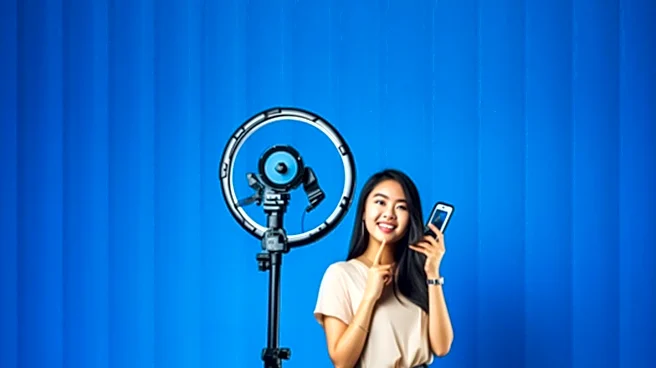
The fashion industry is experiencing a significant transformation driven by digital creators, who are reshaping trends, influencing consumer behavior, and crafting brand narratives. These creators, including bloggers, photographers, stylists, and fashion enthusiasts,
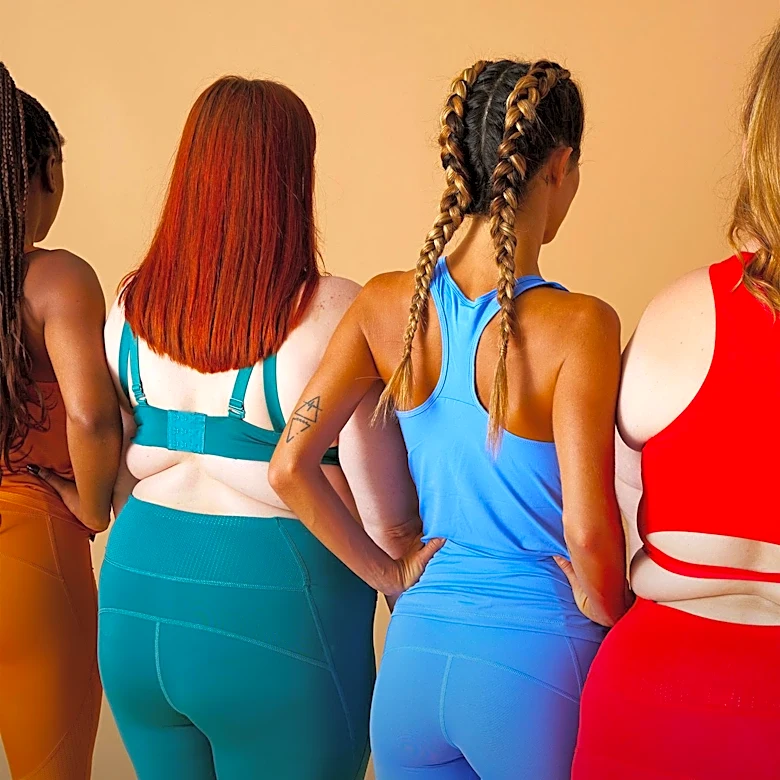
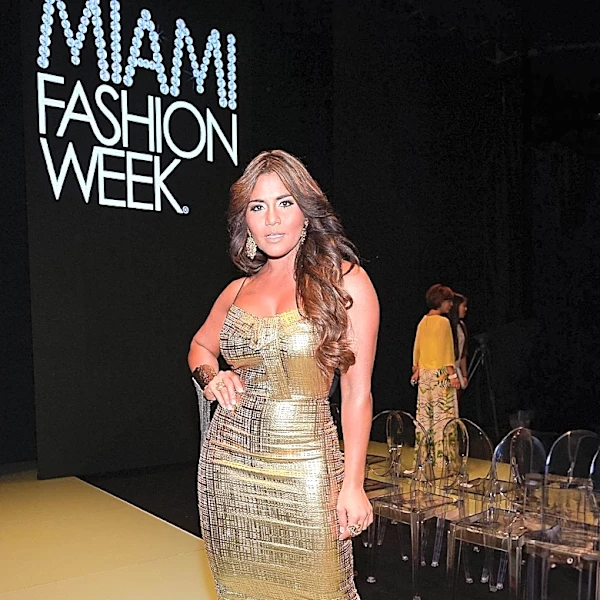
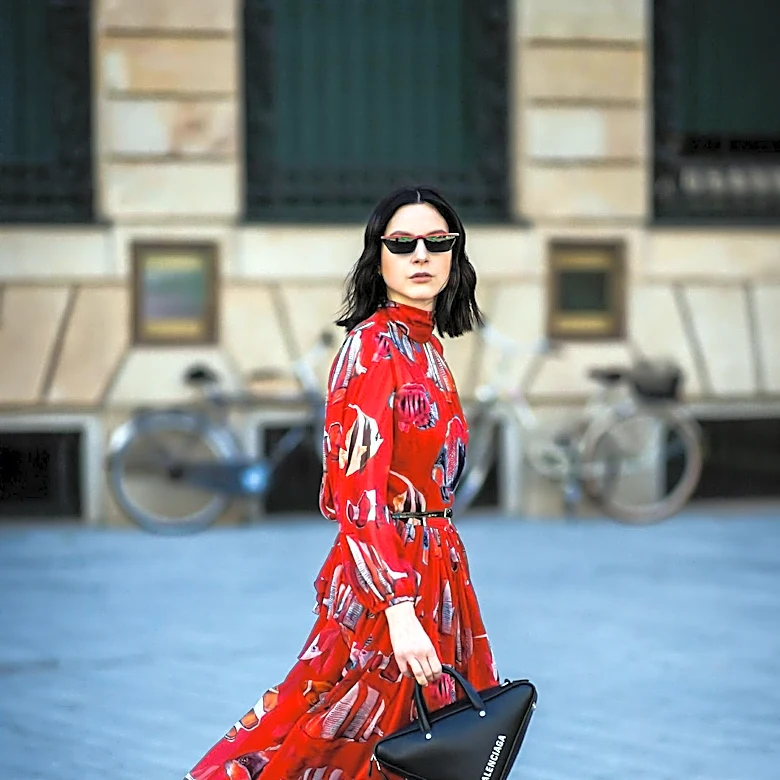
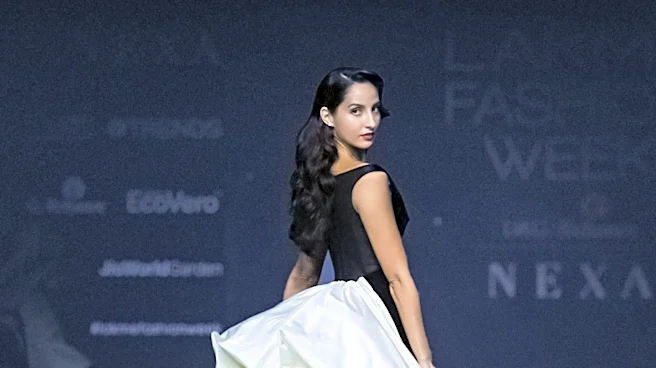
leverage platforms like Instagram, TikTok, and YouTube to engage audiences personally, offering an authenticity often absent in traditional advertising. They possess a unique ability to identify emerging trends, often setting them before they become mainstream, and receive real-time feedback from followers, which quickly shapes popular styles. Digital creators also play a crucial role in promoting diverse brands and designers, shifting focus from established luxury labels to up-and-coming creatives. This has led to a blurring of lines between traditional models and digital creators, with brands increasingly utilizing the latter for relatable and community-focused marketing campaigns.
Why It's Important?
The rise of digital creators is profoundly impacting the U.S. fashion industry by altering marketing strategies and consumer engagement. Brands that collaborate with these creators gain access to niche audiences and build credibility through authentic recommendations, which often resonate more strongly with consumers than traditional advertisements. This shift necessitates that U.S. fashion stakeholders adapt their marketing approaches to remain relevant and competitive. Companies that effectively partner with digital creators can enhance brand visibility, drive sales, and foster a loyal customer base. Conversely, those that fail to embrace this trend risk falling behind, as consumer trust and purchasing decisions are increasingly influenced by these digital tastemakers. The emphasis on authenticity and inclusivity promoted by creators also pushes the industry towards more diverse representation and sustainable practices.
What's Next?
The future of digital creators in fashion is expected to involve an even greater emphasis on authenticity, inclusivity, and community-focused campaigns. Brands will likely continue to invest in influencer partnerships and user-generated content to craft targeted marketing strategies. The process of hiring digital creators will become more formalized, with brands defining clear goals, researching potential collaborators, and evaluating engagement metrics to ensure alignment with brand values. This trend suggests a continued evolution in how fashion brands connect with their audiences, moving towards more interactive and peer-driven marketing models. The distinction between traditional models and digital creators may further diminish as the industry fully integrates these new forms of representation.
Beyond the Headlines
Beyond the immediate marketing implications, the influence of digital creators signals a broader cultural shift in how trends are formed and disseminated. It democratizes fashion, allowing a wider range of voices and styles to gain prominence, rather than being dictated solely by traditional gatekeepers. This phenomenon also raises ethical considerations regarding transparency in sponsored content and the potential for superficiality in online influence. Long-term, it could lead to a more dynamic and responsive fashion ecosystem, where consumer preferences are rapidly reflected in product offerings. However, it also challenges brands to maintain genuine connections with their audience amidst a crowded digital landscape, pushing them to innovate beyond mere endorsements and foster true community engagement.