




What's Happening?
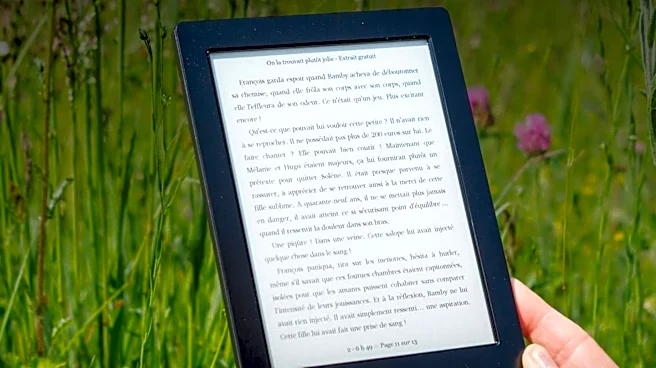
Kindle users are expressing concern over reported changes to Digital Rights Management (DRM) and the ability to access digitally borrowed library books, particularly regarding the 'WiFi workaround.' This workaround traditionally allowed users to read
library books beyond their loan period by keeping their Kindle in Airplane Mode. While Amazon has not publicly confirmed any recent changes to Kindle or Kindle DRM that would alter this functionality, some users have reported instances where downloaded library books would not open without an internet connection, even if previously downloaded. This has led to speculation about whether a Kindle software update or changes within the Libby app's system, which facilitates library loans, are responsible. The core issue revolves around the initial DRM handshake required when opening a digital book, which may now necessitate an internet connection, even if subsequent reading can occur offline.
Why It's Important?
The uncertainty surrounding Kindle's DRM and library book access is significant for several reasons. For avid readers who rely on library loans, any change that restricts access or complicates the reading process can be a major inconvenience, potentially impacting their reading habits and access to literature. For authors and publishers, DRM is a critical mechanism for protecting intellectual property and ensuring fair compensation for their work. The debate highlights the delicate balance between user convenience, copyright protection, and the financial viability of content creators. If the 'WiFi workaround' is indeed becoming less reliable, it could lead to increased book purchases, benefiting publishers and authors, but potentially burdening library users. This situation also underscores the power of platform providers like Amazon and app developers like Libby in shaping the digital reading experience and the terms of content access for millions of users.
What's Next?
The situation calls for clearer communication from Amazon and Libby regarding any changes to DRM and library book access policies. Users will likely continue to experiment with workarounds, such as ensuring books are fully downloaded and opened once while online before switching to Airplane Mode. The ongoing discussion may prompt libraries to re-evaluate their digital lending models and communication strategies with patrons. Depending on the clarity and resolution provided, there could be a shift in user behavior, with some readers potentially exploring alternative e-reading platforms or returning to physical books if digital access becomes too cumbersome. The broader e-book industry may also face increased scrutiny over DRM practices, potentially leading to calls for more transparent and user-friendly digital rights management solutions that balance the interests of readers, authors, and publishers.
Beyond the Headlines
The Kindle DRM controversy touches upon fundamental questions about ownership in the digital age. When users 'borrow' or 'purchase' digital content, the nature of that ownership is often ambiguous, governed by licenses and DRM rather than traditional property rights. This incident highlights the fragility of digital access, where platform changes can unilaterally alter user experiences and perceived rights. It also brings to light the complex ecosystem of digital content, involving authors, publishers, libraries, and technology companies, each with their own interests and constraints. The 'WiFi workaround' itself represents a form of digital civil disobedience, where users find ways to circumvent restrictions they perceive as unfair or inconvenient. This ongoing tension between control and access in the digital realm will continue to shape how content is consumed, distributed, and regulated, influencing future debates on digital rights, fair use, and the role of technology in mediating access to information and culture.