





What's Happening?
The global dip powder nail systems market is forecast to grow significantly, reaching USD 766.3 million by 2036, up from USD 419.9 million in 2026. This growth, projected at a Compound Annual Growth Rate (CAGR) of 6.2% between 2026 and 2036, is driven
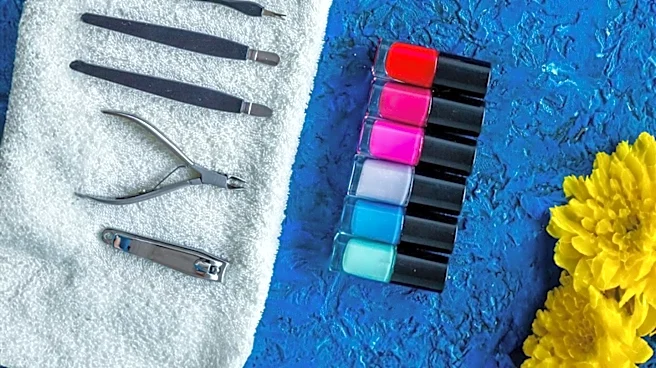
by several factors, including recurring salon purchases, the introduction of seasonal color collections, and increasing demand for long-wear manicures that do not require curing lamps. According to Future Market Insights (FMI), color powders are expected to constitute 35% of product type demand in 2026, making them the leading product category. Professional services, particularly nail salons, are anticipated to account for 53% of end-user demand in 2026, surpassing home users at 47%. Regulatory changes, such as restrictions on TPO-containing nail products in France and Great Britain, are also encouraging salons to explore lamp-free alternatives, creating new opportunities in the market. The United States is expected to contribute significantly to this growth with a CAGR of 6.6%, supported by an established base of professional dip powder services and the popularity of home kits, despite competition from affordable press-on nails.
Why It's Important?
The projected growth of the dip powder nail systems market signifies a notable shift in the beauty industry, particularly within the U.S. nail care sector. The emphasis on lamp-free, long-wear manicures addresses consumer preferences for convenience and durability, while also responding to evolving regulatory landscapes concerning nail product ingredients. For U.S. businesses, this trend presents opportunities for manufacturers to innovate in product development, focusing on diverse shade ranges and user-friendly application systems for both professional and at-home use. Salons stand to gain by adapting their service menus to include dip powder options, potentially attracting a broader clientele seeking alternatives to traditional gel manicures. The competition from press-on nails highlights the need for continuous product differentiation and marketing strategies that emphasize the unique benefits of dip powder systems, such as longevity and professional finish. This market expansion also impacts supply chains, requiring robust distribution networks to meet the increasing demand for color powders and associated liquids.
What's Next?
Manufacturers are expected to strengthen their market position by offering matching seasonal color collections across lacquer, gel, and dip powder formats, providing salons with consistent shade selections and encouraging repeat purchases. Suppliers will likely focus on targeting professional distributors with comprehensive ingredient lists, safety documentation, and technician education, especially as salons re-evaluate their gel product inventories due to regulatory changes. Specialty beauty retailers are also poised for growth, projected to account for 24% of 2026 sales, slightly ahead of professional nail supply. However, challenges remain, including concerns about removal-related nail damage and competition from affordable press-on products. Companies will need to prioritize clear removal instructions, user-friendly starter kits, and refill availability to maintain customer loyalty. The market will also see continued innovation in product formulations and application techniques to address these concerns and further enhance the appeal of dip powder systems.
Beyond the Headlines
The rise of dip powder nail systems reflects a broader consumer trend towards safer and more convenient beauty solutions. The regulatory restrictions on certain chemicals in nail products, such as TPO, underscore a growing awareness and demand for 'cleaner' beauty options. This shift could lead to increased research and development in alternative nail care technologies, potentially influencing other segments of the cosmetics industry. Furthermore, the emphasis on professional training and clear product information highlights the importance of consumer education and safety in the beauty sector. The competition between professional salon services and at-home kits also points to a dynamic market where accessibility and ease of use are key drivers. This could lead to a redefinition of the salon experience, with a greater focus on specialized treatments and personalized services that cannot be easily replicated at home, while at-home products continue to evolve in quality and variety.