





What's Happening?
On September 16, 1992, known as Black Wednesday, George Soros's Quantum Fund made an estimated $1 billion profit by betting against the British pound. This event occurred as Britain's government struggled to prevent its currency from collapsing within
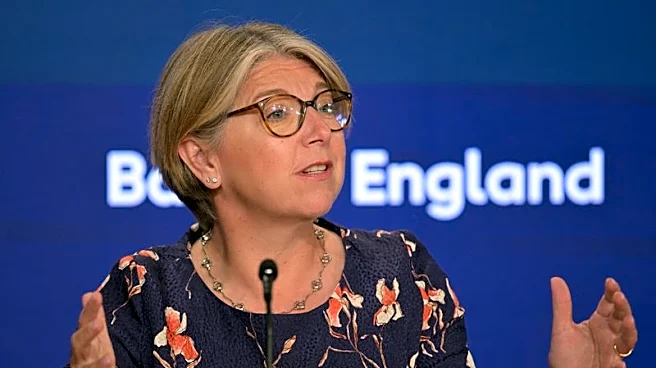
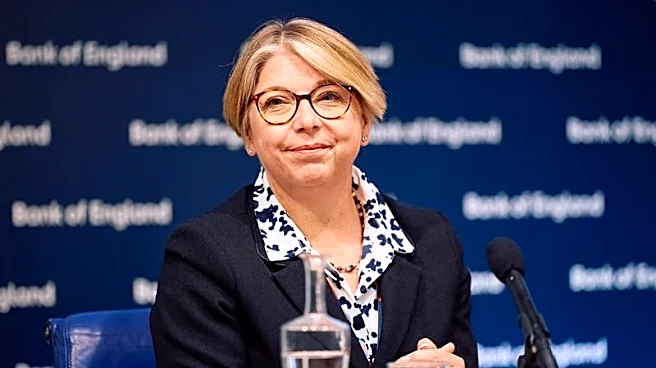
the European Exchange Rate Mechanism (ERM). The Bank of England attempted to defend the pound by purchasing currency and announcing emergency interest-rate increases, including a proposed hike to 15% that was never implemented. Despite these efforts, intense market pressure overwhelmed official intervention, forcing Britain to abandon its exchange-rate commitment. The British economy was in recession, and the ERM arrangement, which required sterling to stay within a permitted band against other European currencies, restricted Britain's ability to adjust interest rates independently. Soros and his team recognized this economic contradiction, leading them to build a substantial bearish position against sterling, reportedly around $10 billion.
Why It's Important?
This event is a landmark in financial history, demonstrating the immense power of speculative trading and its potential to influence national economic policy. George Soros's successful bet against the pound, earning him the moniker 'the man who broke the Bank of England,' highlighted the vulnerabilities of fixed exchange rate systems when faced with significant economic pressures and market speculation. The episode underscored the limitations of central banks in defending a currency against overwhelming market forces, especially when underlying economic conditions are unfavorable. It also showcased the strategic acumen of investors like Soros, who can identify and capitalize on fundamental economic imbalances. The profits generated by Quantum Fund, while substantial, were part of a broader market movement involving multiple participants, indicating a collective recognition of the pound's unsustainable position within the ERM. This event contributed to a re-evaluation of monetary policy and exchange rate mechanisms in Europe.
What's Next?
The lessons learned from Black Wednesday continue to influence central bank policies and international monetary agreements. The event served as a stark reminder of the risks associated with rigid exchange rate systems and the importance of flexible monetary policy in responding to economic downturns. While the immediate aftermath saw Britain abandoning the ERM, the long-term consequence was a shift towards more flexible exchange rate regimes globally. For investors, the episode solidified the reputation of George Soros as a formidable market player and a pioneer in macro-economic trading strategies. Future financial crises and currency fluctuations will likely continue to draw parallels to Black Wednesday, prompting policymakers and investors to consider the interplay between economic fundamentals, market sentiment, and the potential for large-scale speculative attacks. The event remains a case study in financial education, emphasizing the need for robust economic frameworks and agile policy responses.
Beyond the Headlines
Black Wednesday transcends a mere financial transaction; it represents a critical moment in the evolution of global financial markets and the understanding of economic sovereignty. The 'breaking' of the Bank of England by a private investor challenged traditional notions of state control over national currencies and highlighted the increasing interconnectedness of global finance. This event sparked debates about the ethical implications of profiting from a nation's economic distress and the role of speculative capital in shaping national destinies. It also underscored the psychological aspect of market dynamics, where confidence and perception can amplify underlying economic weaknesses. The legacy of Black Wednesday continues to inform discussions on financial regulation, the balance of power between markets and governments, and the inherent risks and rewards of a globalized financial system. It serves as a powerful illustration of how economic principles, when exploited by astute market participants, can lead to profound and lasting geopolitical consequences.