







What's Happening?
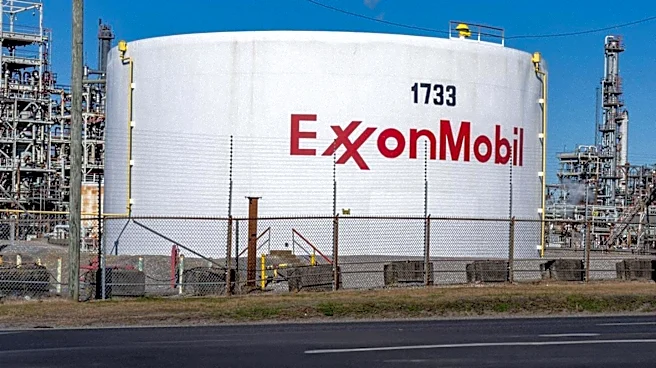
ExxonMobil has initiated an investor-state dispute settlement (ISDS) claim against the European Union under the Energy Charter Treaty (ECT). This action challenges an EU rule, Article 23 of the Net Zero Industry Act (NZIA), which mandates oil and gas
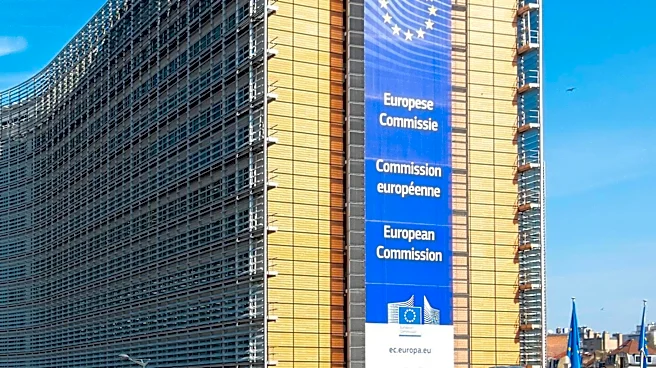
producers to develop infrastructure for carbon capture and storage (CCS). The EU Commission set this obligation in 2024, requiring companies operating in the EU between 2020 and 2023 to contribute proportionally to a target of 50 million tonnes of annual CO2 injection capacity by 2030. ExxonMobil, through affiliates incorporated in Belgium, Luxembourg, and the United Kingdom, is contesting this requirement, arguing it is 'irrational' and 'extremely costly.' The company's combined obligation, based on its ownership stakes, amounts to approximately 5.07 Mt of CO2 injection capacity, representing over 10% of the EU's target. This legal challenge follows 15 other proceedings brought by various oil and gas producers before the EU General Court against the same regulation.
Why It's Important?
ExxonMobil's ISDS claim against the EU highlights a significant conflict between corporate interests and climate policy. While the fossil fuel industry, including ExxonMobil, has historically promoted CCS as a climate solution, this legal action demonstrates resistance when regulatory obligations are imposed. The case underscores the contentious nature of the Energy Charter Treaty, which allows foreign investors to sue governments over policies impacting their investments, potentially undermining climate initiatives. The EU withdrew from the ECT in June 2025 due to concerns about its compatibility with climate objectives, but a 'survival clause' allows investments made before withdrawal to remain protected for 20 years. This dispute could set a precedent for how energy companies respond to mandatory climate regulations, potentially delaying or weakening efforts to transition to a low-carbon economy. The outcome will influence the balance of power between multinational corporations and sovereign governments in implementing environmental policies.
What's Next?
ExxonMobil is reportedly seeking an interim order to suspend the application of these requirements to its affected subsidiaries while the ISDS case is being considered. If granted, this could temporarily halt the obligation for ExxonMobil, allowing the company to avoid compliance during the lengthy arbitration process. The EU and its member states will need to defend the legality and necessity of the carbon capture and storage mandate. The ongoing legal proceedings, both in EU courts and through ISDS, will determine the enforceability of Article 23 of the NZIA and could influence future climate legislation. The case also brings into focus the broader debate around the ECT's 'survival clause' and its implications for climate policy, potentially spurring further efforts by governments to neutralize its effects or withdraw from such treaties.
Beyond the Headlines
This legal battle extends beyond the immediate financial implications for ExxonMobil and the EU's climate targets. It exposes a deeper tension regarding corporate accountability for climate change and the effectiveness of international investment treaties. The use of ISDS by ExxonMobil, despite the EU's efforts to limit intra-EU investment arbitration, raises questions about the ability of corporations to circumvent national and regional legal frameworks. The case also highlights the 'rhetorical shield' of CCS, where the technology is promoted as a solution to allow continued fossil fuel production, yet companies resist the costs of its implementation. This pattern of 'promise, dilute, and then sue' suggests a strategic approach by some fossil fuel companies to maintain business as usual while appearing to engage with climate concerns. The outcome could influence public perception of corporate responsibility and the role of legal mechanisms in shaping climate action.