








What's Happening?
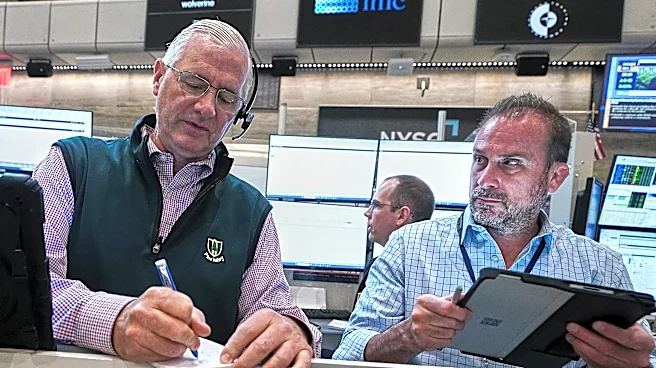
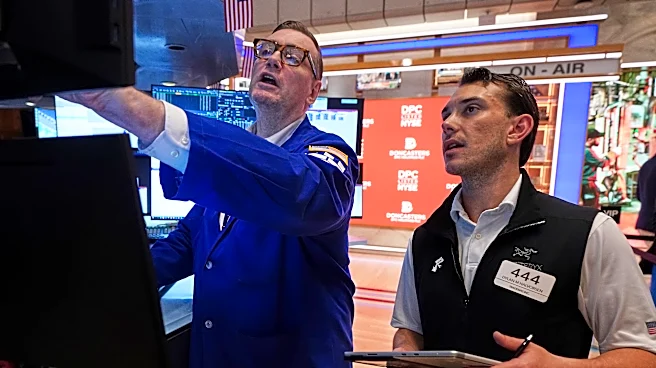
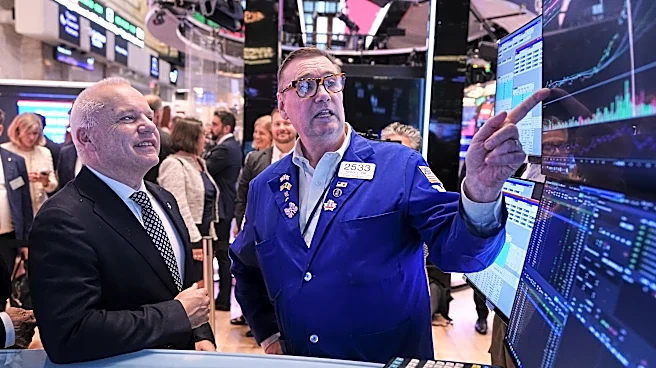
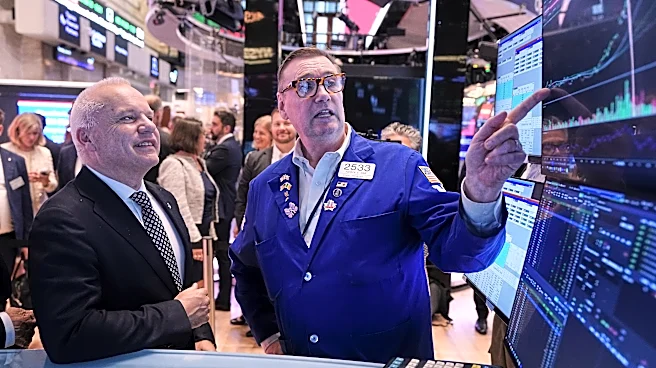
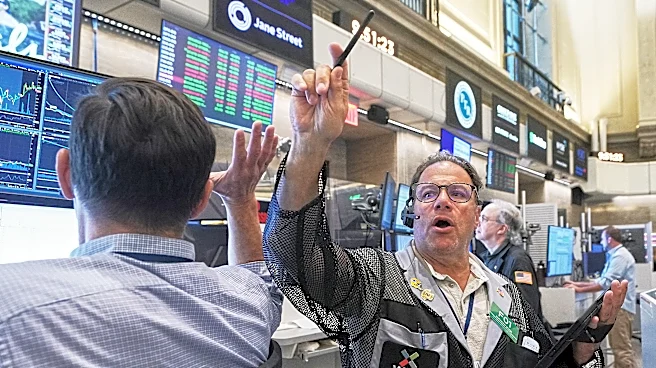
Wall Street is experiencing a downturn as futures for major indices like the S&P 500 and Nasdaq show significant losses. This decline is attributed to the volatility in AI-related stocks, which have been under pressure due to concerns about their ability
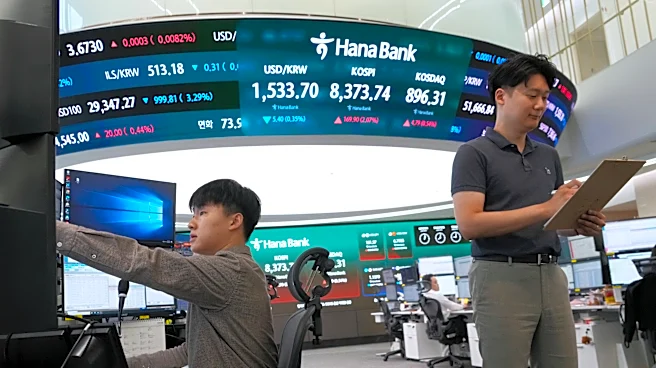
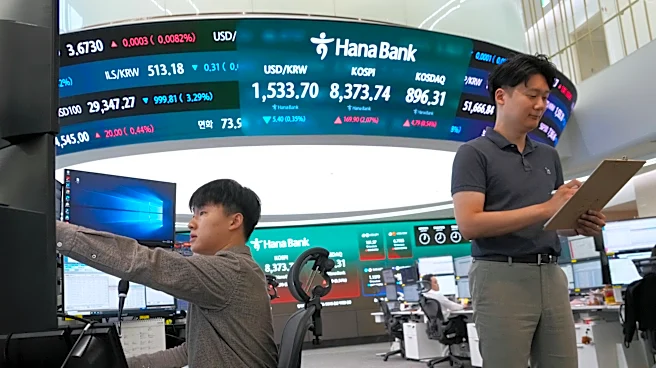
to sustain high profit levels. The potential for interest rate hikes later in the year, driven by rising inflation, is also contributing to the market's instability. In premarket trading, notable declines were observed in companies such as Micron, Intel, Broadcom, and Qualcomm. This trend is mirrored in Asian markets, where technology stocks have also seen significant fluctuations. The Nikkei 225 in Tokyo and the Kospi in Seoul both experienced sharp declines, although they recovered some losses later. The volatility is largely driven by the influx of investments into AI data centers and related sectors, with companies like Samsung Electronics and SK Hynix being heavily impacted.
Why It's Important?
The current market volatility highlights the challenges faced by the tech sector, particularly companies involved in AI, as they navigate the pressures of maintaining high profit margins amidst rapid stock price increases. The potential for interest rate hikes poses a risk to economic growth, which could further impact these companies. The situation underscores the broader economic implications of inflation and monetary policy decisions, affecting not only the tech industry but also investor confidence and market stability. As AI continues to be a significant driver of market trends, the ability of these companies to adapt to changing economic conditions will be crucial for their long-term success.
What's Next?
Investors and market analysts will be closely monitoring the Federal Reserve's actions regarding interest rates, as any changes could have significant implications for the tech sector and the broader economy. Companies heavily invested in AI will need to demonstrate their ability to sustain growth and profitability in a potentially higher interest rate environment. Additionally, market participants will be watching for any further developments in inflation trends, which could influence future monetary policy decisions. The ongoing volatility may lead to increased caution among investors, potentially affecting investment strategies and market dynamics.