




What's Happening?
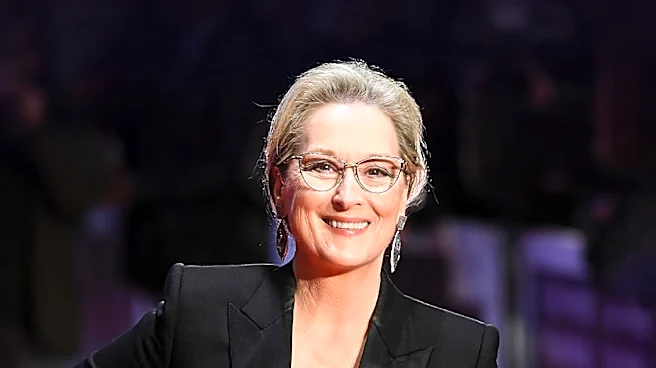
Meryl Streep, the acclaimed actor, wore pendant earrings designed by Indian designer Hanut Singh at the Cannes Film Festival in May 2024. This occasion marked her receipt of the Honorary Palme d'Or. Hanut Singh, a self-taught designer who launched his label
in the early 2000s, is known for his Art Deco-inspired statement earrings, often featuring rock crystal, enamel, onyx, and carved rubies. His designs have gained popularity in Hollywood, with other notable figures like Nicole Kidman and Madonna also having worn his pieces. This event highlights a growing trend of Hollywood celebrities incorporating Indian designer jewelry into their red-carpet looks, bringing global recognition to Indian craftsmanship and design.
Why It's Important?
This event underscores the increasing global influence of Indian jewelry designers and the evolving landscape of high fashion. For decades, Indian gems and designs were often incorporated into Western brands without explicit attribution to their Indian origins. However, the visibility of a prominent figure like Meryl Streep wearing Hanut Singh's designs, credited by name, signifies a shift towards recognizing and celebrating Indian designers on the international stage. This trend can open new markets and opportunities for Indian jewelers, fostering economic growth within the industry. It also challenges traditional perceptions of luxury and design, promoting a more diverse and inclusive global fashion narrative. The exposure gained from such high-profile endorsements can significantly boost brand recognition and demand for Indian-made jewelry.
What's Next?
The continued visibility of Indian designers on global platforms, such as film festivals and major awards ceremonies, is likely to further solidify their presence in the international fashion market. This could lead to increased collaborations between Indian designers and international stylists, fashion houses, and retailers. We may see more dedicated showcases for Indian jewelry in prominent fashion capitals and luxury department stores. The trend also suggests a potential for greater investment in and development of Indian jewelry design education and infrastructure, aiming to meet growing global demand. Furthermore, this recognition could inspire a new generation of Indian designers to pursue international careers, further diversifying the global design landscape.
Beyond the Headlines
The embrace of Indian jewelry by Hollywood figures like Meryl Streep reflects a broader cultural shift towards appreciating diverse artistic expressions and craftsmanship. Beyond the immediate commercial impact, this trend contributes to a richer global cultural exchange, where traditional Indian techniques like polki, jadau, and meenakari gain wider understanding and appreciation. It also raises questions about cultural appropriation versus appreciation, as designers and consumers navigate the line between drawing inspiration from and authentically representing diverse cultural heritage. This movement could also encourage a re-evaluation of value in the luxury market, emphasizing unique craftsmanship and cultural narrative over solely brand-name recognition. The ethical sourcing of materials and fair labor practices within the Indian jewelry industry may also come under increased scrutiny and gain more attention as its global profile rises.