





What's Happening?
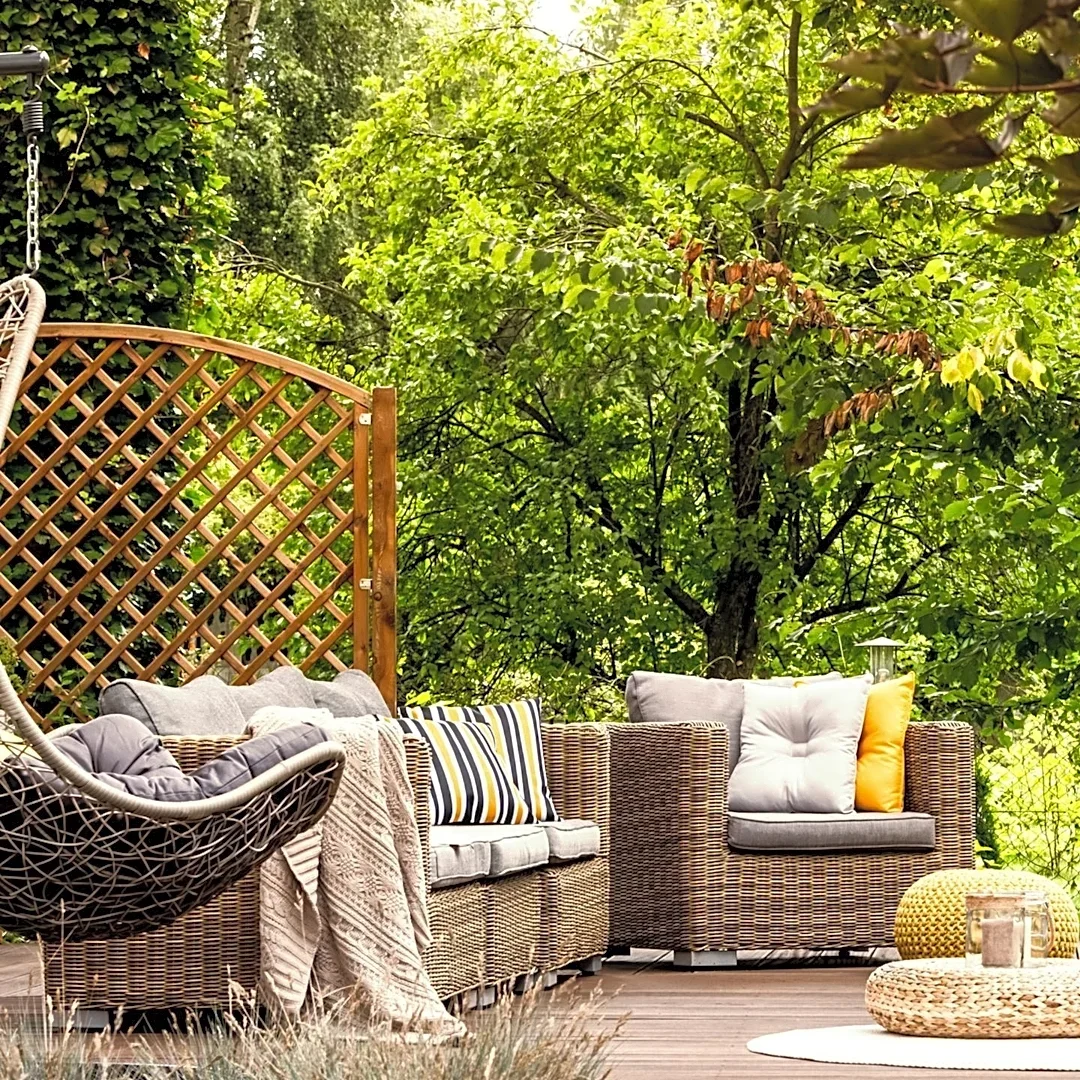
Cottagecore is an aesthetic movement that romanticizes a simple, natural life, often associated with rural settings. It focuses on incorporating natural materials, tactile details, and a strong connection to the outdoors into living spaces and lifestyles.
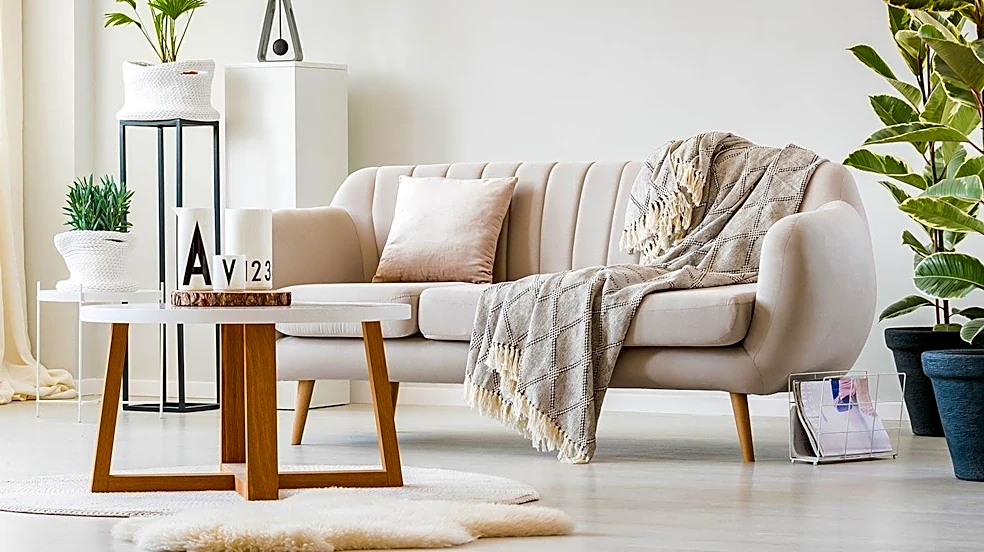
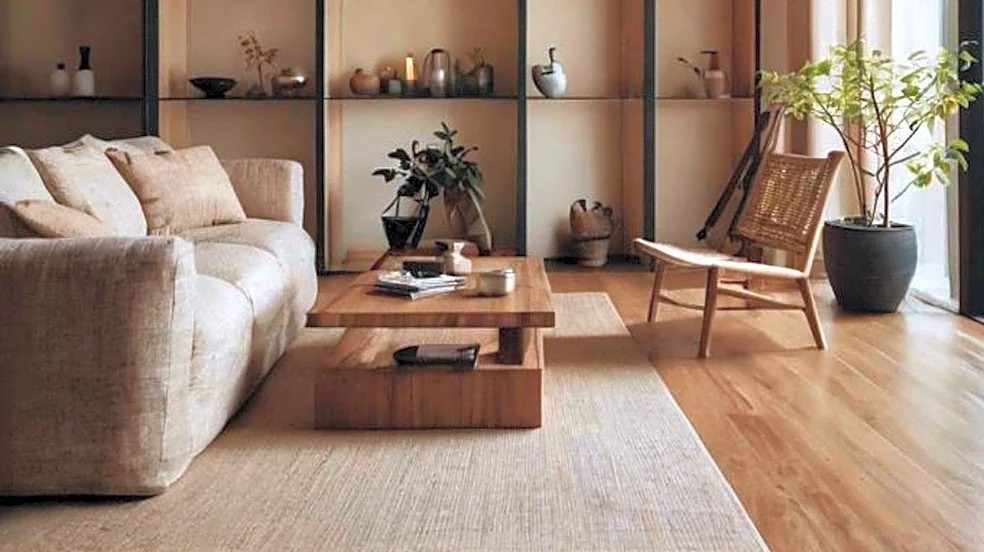
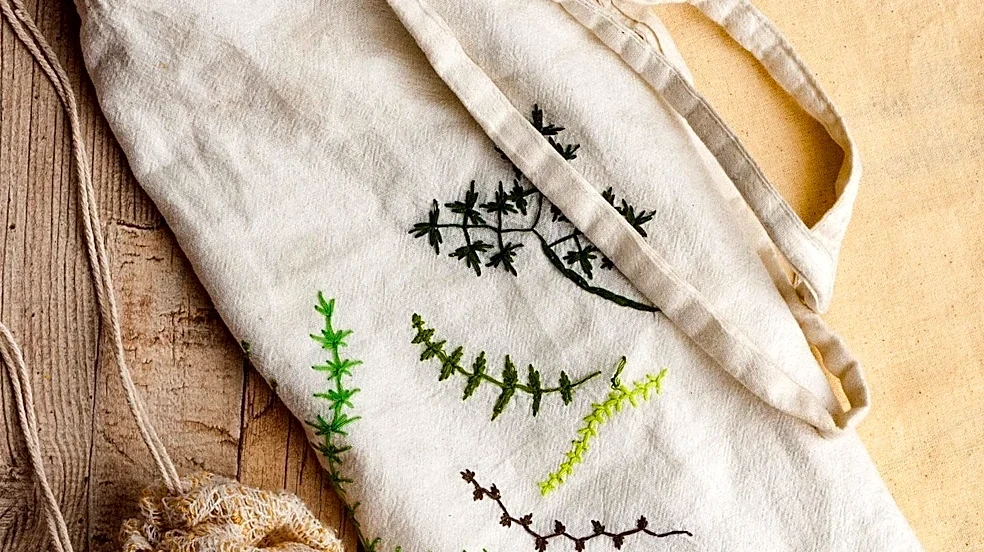
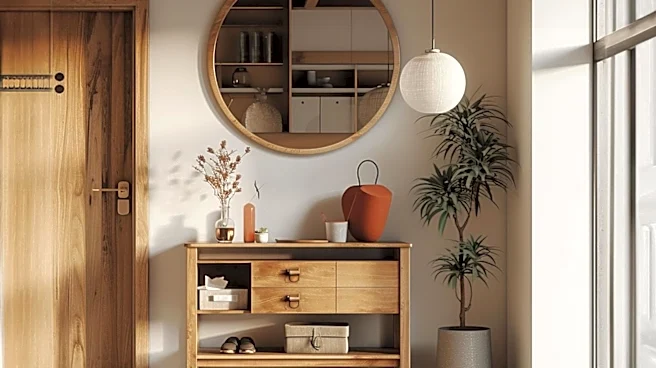
The style is characterized by its sophisticated and layered approach, prioritizing texture and architectural elements over overtly themed or kitsch decorations. Key elements include natural wood, stone, clay, fiber, and glass, along with handmade objects that show visible evidence of their creation. The aesthetic promotes a philosophy where objects are chosen for their natural origin, craftsmanship, functionality, and the stories they tell, creating spaces that feel inhabited and personal. The color palette typically features warm creams, sage greens, dusty roses, warm browns, lavenders, and amber tones, reflecting the gentle hues of the natural world.
Why It's Important?
The rise of the cottagecore aesthetic reflects a broader societal longing for slowness, natural beauty, and a connection to the earth in an increasingly fast-paced and synthetic world. This movement impacts consumer choices in home decor, fashion, and lifestyle products, driving demand for artisanal goods, sustainable materials, and items that evoke a sense of nostalgia and authenticity. For businesses, understanding this trend can inform product development and marketing strategies, particularly in sectors like interior design, crafts, and eco-friendly goods. It also highlights a cultural shift towards valuing mindful consumption and appreciating the 'magic in the ordinary,' influencing how individuals curate their personal environments and daily rituals. The emphasis on handmade items and natural elements also supports small businesses and artisans, fostering a market for unique, crafted products.
What's Next?
The cottagecore aesthetic is likely to continue influencing design trends and consumer preferences, potentially expanding into broader areas such as sustainable living practices, homesteading, and community-focused initiatives. We may see an increased integration of cottagecore principles into urban environments, with more emphasis on indoor gardening, natural light, and the creation of cozy, nature-inspired sanctuaries within city dwellings. The demand for handcrafted goods and natural materials is expected to grow, encouraging more artisans and small businesses to cater to this market. Furthermore, the philosophy of slow living and finding beauty in daily rituals, central to cottagecore, could gain more traction, leading to a greater focus on well-being and intentional living across various demographics. This could also spur innovation in eco-friendly product development and design.
Beyond the Headlines
Beyond its visual appeal, cottagecore embodies a deeper cultural yearning for simplicity, self-sufficiency, and a retreat from the complexities of modern life. It taps into a collective nostalgia for a perceived simpler past, offering a sense of comfort and control in uncertain times. The aesthetic's emphasis on handmade items and natural elements can be seen as a quiet rebellion against mass production and consumerism, promoting a more sustainable and ethical approach to living. Ethically, it encourages a re-evaluation of our relationship with nature and the value of craftsmanship. Culturally, it fosters a community around shared values of coziness, domesticity, and a romanticized connection to the land, often expressed through online communities and social media. This movement suggests a growing desire for authenticity and a more grounded existence, influencing not just decor but also personal values and aspirations.