


What's Happening?
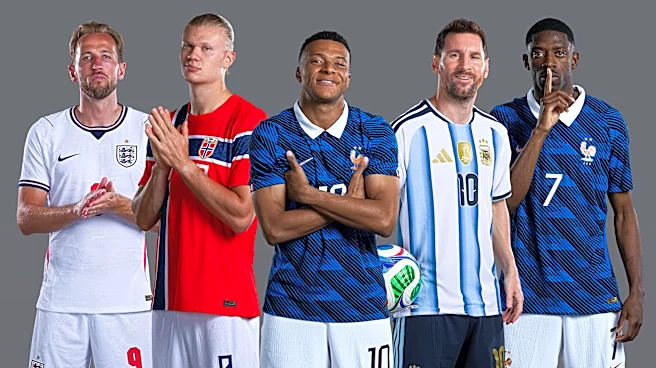
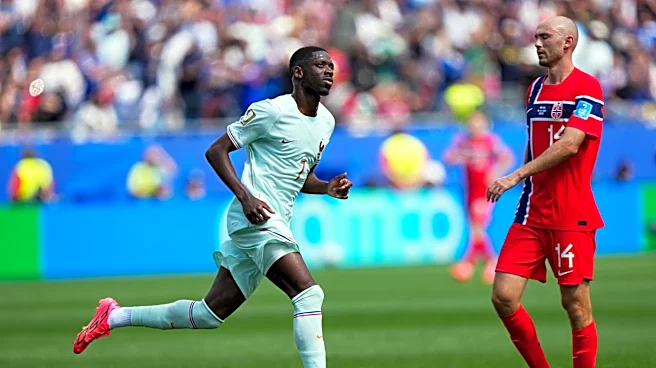
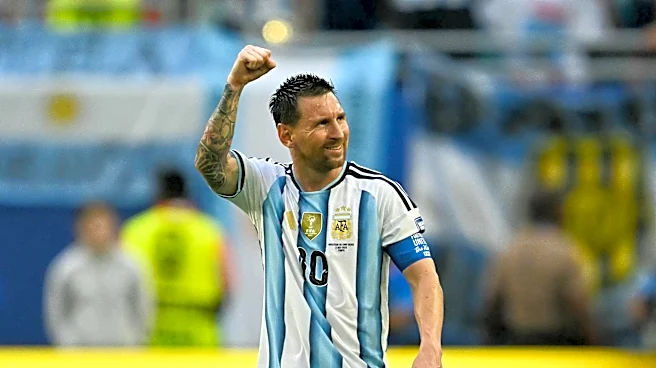
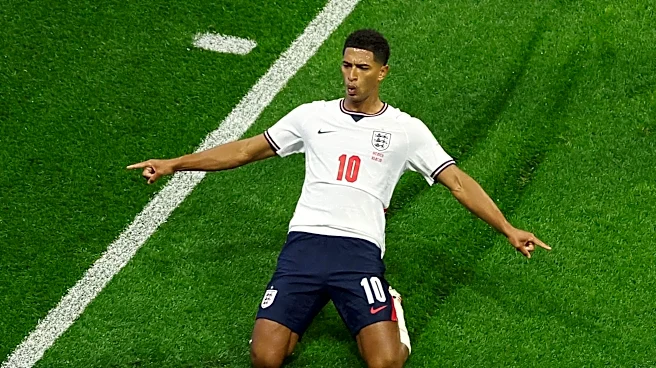
The stutter-step penalty technique has become a notable feature in the current World Cup, with top soccer players like Lionel Messi, Kylian Mbappé, Cristiano Ronaldo, Harry Kane, and Neymar employing it with varying success. This technique, which involves
a player feinting during their run-up to the ball to confuse the goalkeeper, has historical roots in Brazil, popularized by Pelé and continued by Neymar. Despite its potential to outsmart goalkeepers, the technique is risky and has led to both triumphs and failures. For instance, it helped France advance to the quarterfinals but contributed to Brazil's exit. The technique's complexity and the pressure of execution make it a sophisticated yet challenging move for players.
Why It's Important?
The stutter-step penalty technique highlights the evolving strategies in soccer and the psychological battle between players and goalkeepers. Its use by high-profile players underscores its significance in modern soccer tactics. However, the technique's riskiness can lead to high-stakes failures, affecting team outcomes in critical matches. As goalkeepers adapt and become more adept at countering this move, the technique's effectiveness may diminish, prompting players to refine their strategies. This evolution in penalty-taking reflects broader trends in sports where innovation and adaptation are crucial for success.
What's Next?
As the World Cup progresses, players and teams may continue to experiment with the stutter-step technique, balancing its potential benefits against its risks. Coaches and players might develop new variations or entirely different approaches to penalty-taking to maintain an edge over increasingly savvy goalkeepers. The ongoing adaptation of both players and goalkeepers will likely influence future regulations and strategies in soccer, potentially leading to further changes in how penalties are approached in high-stakes matches.
Beyond the Headlines
The stutter-step penalty technique also raises questions about the psychological aspects of sports and the pressure on athletes to perform under intense scrutiny. The technique's reliance on mental clarity and composure highlights the importance of psychological training in sports. Additionally, the technique's historical roots and evolution reflect cultural influences in soccer, particularly Brazil's impact on the sport's development. As the technique continues to be scrutinized and adapted, it may also influence youth training programs and the development of future soccer stars.