



What's Happening?
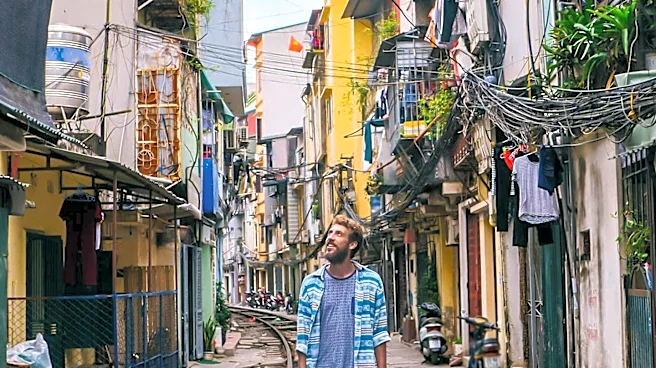
Slow tourism is experiencing a surge in popularity in Vietnam, offering an alternative to fast-paced, checklist-driven travel. This approach encourages visitors to extend their stays, reduce constant movement between destinations, and immerse themselves
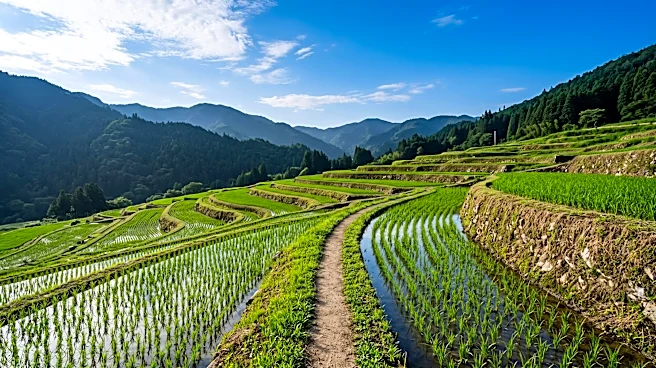
more deeply in local communities and traditions. Instead of rapidly visiting numerous landmarks, slow travelers prioritize walking through neighborhoods, dining where locals eat, exploring smaller communities, and learning about indigenous customs. This trend is not necessarily about longer or more expensive holidays but rather about optimizing existing travel time for more meaningful experiences. Vietnam's diverse landscapes, from historic cities to mountain villages and coastal towns, are particularly well-suited for this style of travel, allowing for rich experiences beyond typical tourist hubs. The country's official tourism channels are actively promoting this growing interest in lesser-known destinations and travel that fosters authentic encounters.
Why It's Important?
The rise of slow tourism in Vietnam signifies a broader shift in global travel preferences, moving away from mass tourism towards more sustainable and experiential models. For the U.S. tourism industry and travelers, this trend highlights the increasing demand for authentic cultural immersion and responsible travel practices. It suggests that destinations prioritizing genuine local engagement and extended stays might attract a growing segment of the market. This shift could influence how U.S. travel agencies and tour operators design itineraries, potentially leading to more specialized, in-depth travel packages rather than rapid multi-city tours. Furthermore, it underscores the economic benefits for local communities in host countries, as longer stays and deeper engagement can distribute tourism revenue more broadly beyond major attractions, supporting small businesses and preserving cultural heritage. The emphasis on 'how' people travel rather than just 'where' they go could also inspire U.S. travelers to seek similar experiences domestically, fostering a greater appreciation for local culture and less-traveled regions within the United States.
What's Next?
As slow tourism continues to gain momentum, Vietnam's tourism sector is expected to further adapt by developing infrastructure and experiences that cater to this demand. This may include promoting more homestays, local cooking classes, community-based tours, and opportunities for travelers to engage in traditional crafts or agricultural activities. For U.S. travelers, this means a growing array of options for immersive and responsible trips to Vietnam. Travel companies and online platforms are likely to feature more curated slow travel itineraries, emphasizing fewer transfers and more time for exploration in specific regions. Additionally, research into slow travel and responsible visitor behavior will likely continue to evolve, influencing policy decisions and marketing strategies in the global tourism industry. The focus will remain on strengthening the relationship between visitors and destinations, ensuring that tourism adds value without over-consuming local resources or culture.
Beyond the Headlines
The philosophical underpinnings of slow tourism extend beyond mere travel logistics, touching upon ethical and cultural dimensions. It challenges the conventional tourist-traveler dichotomy, suggesting that the manner of engagement with a place is more significant than the label one adopts. This approach encourages a more conscious form of consumption, where the value of a destination is appreciated without being depleted. It fosters a deeper understanding and respect for diverse cultures, potentially leading to more meaningful cross-cultural exchanges. The 'anti-tourism' aspect, which seeks to avoid overcrowded experiences, also highlights a growing awareness of the environmental and social impacts of mass tourism. By promoting longer stays and local engagement, slow tourism can contribute to the preservation of intangible cultural heritage and support local economies in a way that is more equitable and sustainable, ultimately redefining the very purpose and impact of travel.