




What's Happening?
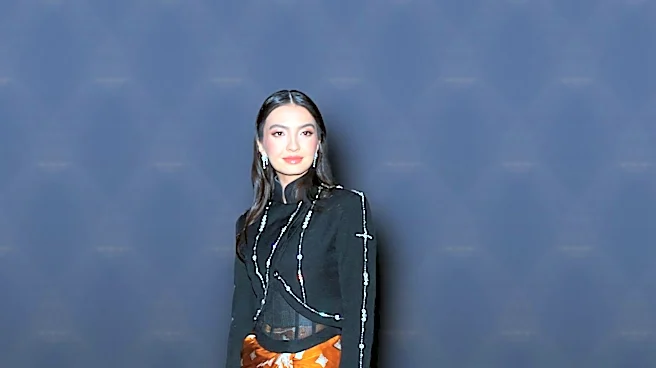
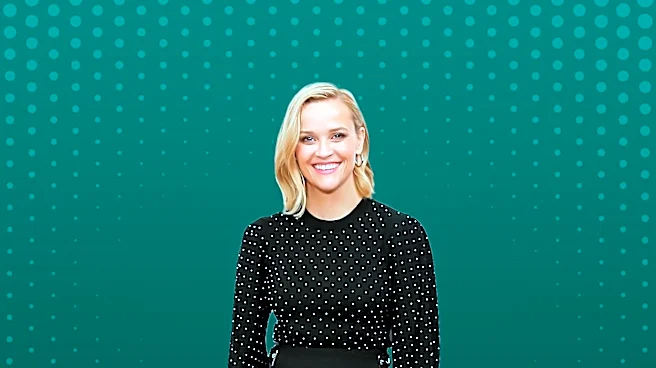
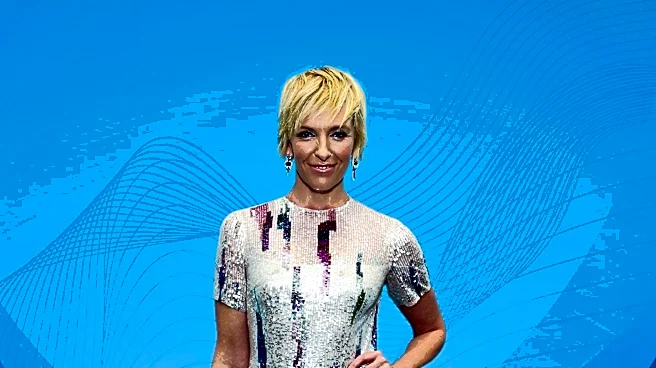
The premiere of HBO's 'The Gilded Age' at The Plaza Hotel saw a significant presence of social media influencers alongside the show's cast. Individuals described as 'social media creators' and 'digital content creators' attended the event, including Mary
Reile, Jessica Spoll, Julia Leahy, Melissa Becraft, Jasmine Perillo, Taylor Graysen, and James Mitchell Neal. These influencers, known for their large online followings and diverse content ranging from comedy to lifestyle, outnumbered many of the show's actors on the red carpet. This inclusion of influencers at a high-profile event for a period drama has prompted discussions about the evolving nature of celebrity and the marketing strategies employed by television and film studios.
Why It's Important?
The prominent attendance of social media influencers at a major HBO premiere highlights a significant shift in the U.S. entertainment and marketing industries. It underscores the growing power and influence of digital creators in reaching target audiences, particularly younger demographics. For studios, this represents a new frontier in promotion, leveraging the direct and often highly engaged communities built by influencers. However, it also sparks debate about the definition of 'celebrity' and the perceived authenticity of such events. The integration of influencers into traditional media events can broaden a show's reach but may also alienate traditionalists who value established Hollywood figures. This trend impacts how entertainment content is marketed, how public relations are conducted, and ultimately, how success is measured in an increasingly fragmented media landscape.
What's Next?
This event suggests a continued integration of social media influencers into mainstream entertainment premieres and promotional campaigns. We can expect to see more studios and networks strategically inviting influencers to red carpet events, press junkets, and exclusive screenings to generate buzz and reach diverse online communities. The entertainment industry will likely further refine its approach to influencer marketing, focusing on creators whose content and audience align closely with specific show themes or target demographics. This could also lead to new forms of collaboration, such as influencers creating original content inspired by shows or participating in behind-the-scenes promotions. The debate over the role of influencers versus traditional celebrities will likely persist, shaping future event guest lists and marketing budgets.
Beyond the Headlines
The presence of social media influencers at the 'Gilded Age' premiere touches upon deeper cultural and sociological implications. It reflects a democratization of fame, where individuals can achieve widespread recognition through digital platforms, bypassing traditional gatekeepers. This phenomenon challenges established hierarchies of status and influence, prompting questions about merit, talent, and the nature of public attention. Ethically, it raises concerns about the commercialization of personal brands and the potential for blurring lines between genuine interest and paid promotion. Culturally, it signifies a shift in how society defines success and aspiration, with digital reach becoming a powerful form of capital. The juxtaposition of a historical drama about social stratification with modern-day digital celebrities also offers a fascinating commentary on enduring themes of class, status, and the pursuit of recognition across different eras.