








What's Happening?
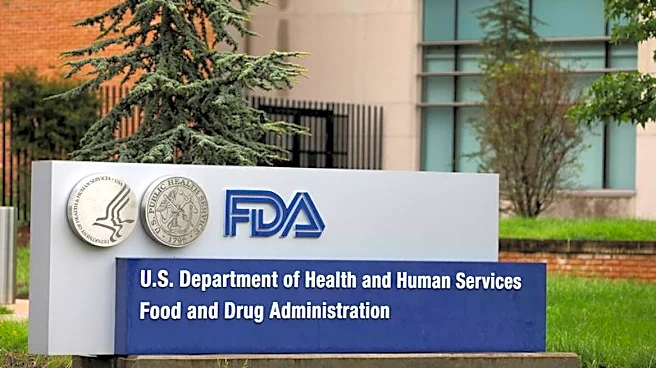
The FDA is set to review the safety and efficacy of seven commonly used synthetic peptides, which have gained popularity among fitness enthusiasts and those seeking new treatments for chronic conditions. While the human body naturally produces peptides like
insulin and oxytocin, most synthetic versions are not FDA-approved, raising concerns about their safety and effectiveness. The review comes as synthetic peptides are increasingly promoted by influencers and used in various health and wellness applications. Health reporter Sarah Boden explores the scientific basis of these peptides and the potential risks associated with their use.
Why It's Important?
The growing interest in synthetic peptides highlights a broader trend in the health and wellness industry, where consumers are eager to explore new treatments and supplements. However, the lack of FDA approval for many synthetic peptides raises significant safety concerns, as their long-term effects and interactions with other substances remain unclear. The FDA's review could lead to increased regulation and oversight, ensuring that only safe and effective peptides are available to consumers. This scrutiny is crucial for protecting public health and maintaining trust in the health and wellness market.
What's Next?
The FDA's findings could impact the availability and marketing of synthetic peptides, potentially leading to stricter regulations or bans on certain products. Manufacturers and marketers of these peptides may need to provide more robust evidence of their safety and efficacy to gain approval. The outcome of the FDA's review could also influence consumer perceptions and demand for synthetic peptides, shaping the future of the health and wellness industry. Stakeholders, including healthcare professionals and regulatory bodies, will likely continue to monitor developments in this area closely.